

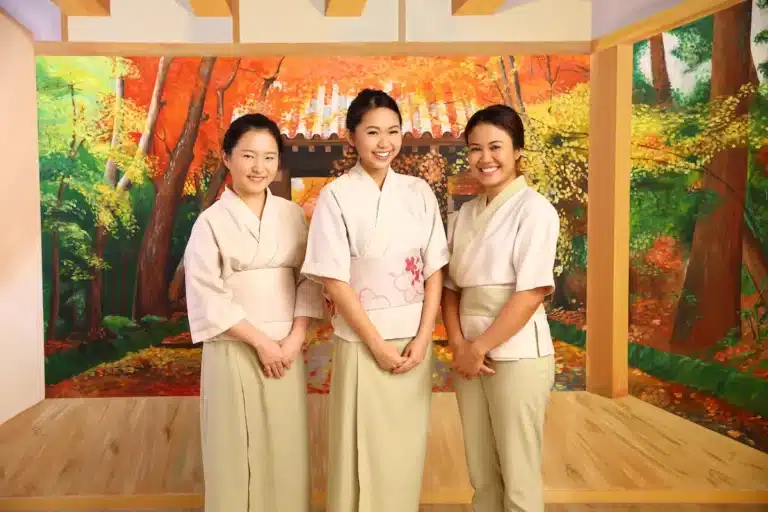
A good massage therapist is not just someone with strong hands. It is someone who makes you feel safe, understood, and genuinely better by the end of the session. After 15 years as a spa director, interviewing more than 200 therapists and getting massages almost every week across different spas, I can tell you this with confidence: the difference between an average session and an excellent one usually shows up in small details.
If you are trying to find the right spa therapist in Singapore, these are the 10 signs I personally look for before I trust someone with my body, my pain points, and my time.
Table of contents
- Why choosing the right massage therapist matters
- Checklist to spot a good massage therapist before you book
- 1. They respect draping and protect your modesty
- 2. They pay attention to the room temperature
- 3. They ask about your concerns before they begin
- 4. They focus on your pain areas first
- 5. They communicate well without talking too much
- 6. They are hygienic, especially before touching your head
- 7. They personalise the treatment instead of sticking to a fixed routine
- 8. They adapt their strength to your body type and preference
- 9. They take feedback seriously and keep improving
- 10. Bigger hands can be an advantage, but technique still matters more
- How to use these signs when choosing a spa therapist in Singapore
- FAQ of a good massage therapist
- Conclusion
Why choosing the right massage therapist matters
Most people think a massage is just about pressure. Too soft, and it feels pointless. Too hard and it feels punishing. But the truth is, the quality of a massage often has more to do with judgment than strength.
A skilled massage therapist knows how to read the body, respond to feedback, and adjust the session around what you actually need that day. That matters whether you are booking for neck and shoulder pain, stress relief after long office hours, or recovery from physical strain.
In my experience, people often judge a session too late. They only realise they picked the wrong therapist after 20 minutes of discomfort, awkward communication, or a routine that ignores their real concern. That is exactly why I like using this checklist.
Checklist to spot a good massage therapist before you book
| Sign of a good massage therapist | What it looks like in real life | Red flag to watch for |
|---|---|---|
| Respects draping | The room is too cold, or the airflow hits your body directly | You feel exposed or unsure during repositioning |
| Manages room temperature well | The room feels comfortable, and the air-con is not blowing directly at you | The room is too cold, or airflow hits your body directly |
| Asks about concerns first | They ask about pain points, pressure, injuries, and goals | They start without understanding your needs |
| Focuses on pain areas early | They address knots and tension before following a routine | They stick to the sequence even when you are clearly tense |
| Communicates without overdoing it | They check in clearly and calmly | They talk too much or keep selling themselves |
| Maintains hygiene | Clean hands, clean setup, professional habits | Poor hand hygiene or sloppy room standards |
| Personalizes the treatment | More time goes to the areas that need it most | Every client gets the same routine |
| Adapts pressure well | Pressure suits your age, body type, and comfort | Pressure feels random, harsh, or ineffective |
| Takes feedback seriously | They listen, adjust, and keep improving | They act defensive or overly ego-driven |
| Uses natural physical advantages well | Broad, comforting contact when technique supports it | They rely on size or strength without skill |
1. They respect draping and protect your modesty
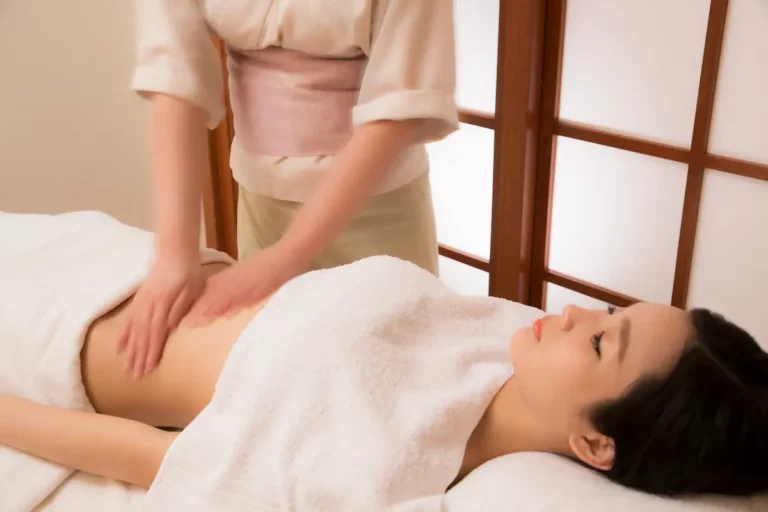
This is one of the clearest signs of professionalism.
A good therapist ensures you are properly covered throughout treatment. You should never feel exposed, awkward, or unsure about how the draping is being handled. Even before the massage starts, the therapist should make the setup feel calm and respectful.
To me, good draping is not a bonus. It is basic care. When modesty is respected, you relax faster. When it is not, the whole session feels tense from the start.
If I walk into a treatment room and feel that draping is sloppy or careless, my trust drops immediately.
2. They pay attention to the room temperature
This sounds small, but it changes the whole experience.
A thoughtful spa therapist does not just set the room for their own comfort. They think about the client first. During a massage, you are often lightly clothed or partially uncovered, and your body can cool down fast. I personally find around 24°C comfortable, especially in Singapore, where spas can sometimes overdo the air conditioning.
Another detail I always notice is airflow. A strong air-con vent blowing directly onto the customer is a mistake. The therapist may not feel it because they are moving, using strength, and warming up while working. The client feels every bit of that cold air.
A good room setup tells me the therapist understands comfort beyond just technique.
3. They ask about your concerns before they begin
A session should never start like you are entering a production line.
A good massage therapist asks what is bothering you, what areas need attention, whether you prefer lighter or stronger pressure, and if there are any injuries or sensitivities to be aware of. That conversation does not need to be long, but it should be specific.
I always take this as a sign that the therapist is preparing to treat a person, not just perform a routine.
For first-timers, this step matters even more because knowing what to expect during your first spa session can make the whole experience feel far less intimidating.
If someone starts without asking anything meaningful, that is a red flag for me. It usually means the session will be generic, and generic massages rarely solve real tension or pain.
4. They focus on your pain areas first
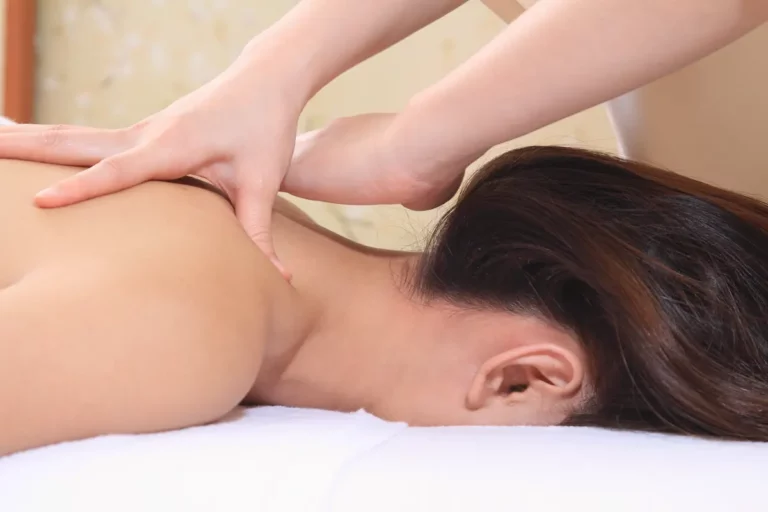
This is a big one for me, and honestly, one of the easiest ways to spot a truly good therapist.
Many places have a standard operating flow for each massage style. Head, shoulders, back, legs, and then, eventually, your problem area. On paper, that sounds organised. In reality, it often does not help the client relax.
When I have tight knots in my shoulders or lower back, I cannot fully settle into the session until those areas are addressed. A therapist who understands this will address the main pain points early, ease the tension, and help the rest of the treatment land more effectively.
That tells me they are thinking about relief, not just sequence.
5. They communicate well without talking too much
The best therapists know how to check in without breaking the mood.
I appreciate a therapist who asks whether the pressure is okay, whether the room feels comfortable, and whether I am warm enough. A really good one checks more than once, because many clients say “okay” out of politeness the first time.
That said, there is a line.
I do not enjoy sessions where the therapist keeps talking about how many years of experience they have, how many celebrities they have served, or why their technique is better than everyone else’s. Even if they are skilled, too much talking stops me from resting.
Good communication is about care, not self-promotion.
What good communication sounds like
A strong masseur or spa therapist usually keeps it simple:
- “Is this pressure okay?”
- “Would you like me to focus more on this side?”
- “Are you comfortable with the temperature?”
That is enough. Clear, useful, and not distracting.
6. They are hygienic, especially before touching your head
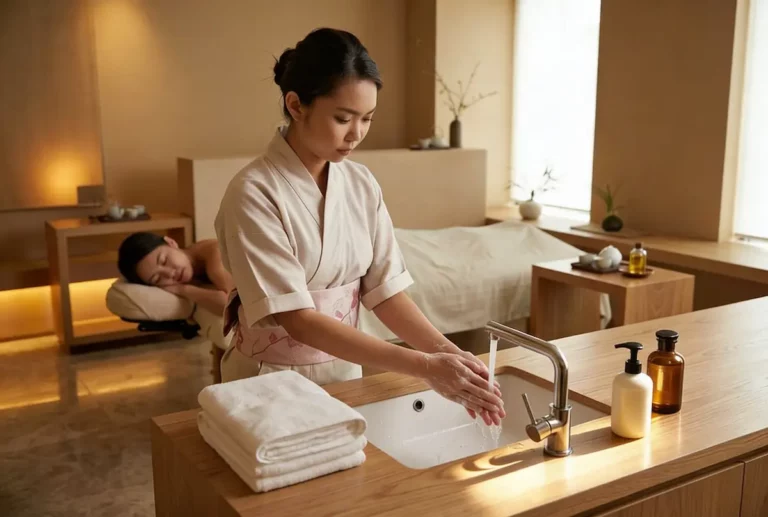
Cleanliness is non-negotiable.
One habit I always notice is whether the therapist washes their hands before starting, especially before touching the scalp, face, or head area. It is such a simple act, but it says a lot about standards and discipline.
Hygiene also shows up in the way towels are handled, how the room is prepared, and whether the therapist looks neat and professional.
People often focus only on technique, but hygiene is part of quality. If that standard slips, I start questioning everything else, too.
7. They personalise the treatment instead of sticking to a fixed routine
A routine has its place, but personalisation is where real skill shows.
Sometimes the client needs more work on the neck and shoulders. Sometimes the lower back is the main issue. Sometimes the therapist needs to spend extra time releasing knots and reduce attention elsewhere to fit the session length.
I actually see this as a mark of confidence. A therapist who can adapt the treatment plan is usually thinking critically and working with intention. They are not just following a memorised sequence.
A good massage therapist knows that a 60-minute session does not need to be perfectly equal across every body part. It needs to be useful.
8. They adapt their strength to your body type and preference
This is where experience becomes obvious.
Some clients want deep pressure. Some want a lighter touch. Some are older and need care around certain joints or muscle groups. Some are athletic and can tolerate more intensity. A good therapist reads that quickly and adjusts.
This is why I never judge a therapist only by how strong they are. Strength alone does not make someone effective. Control does.
The best therapists can deliver gentle pressure that still feels therapeutic, or deep work that feels productive instead of punishing. That level of adaptability is what separates a skilled professional from someone who only knows one speed.
9. They take feedback seriously and keep improving
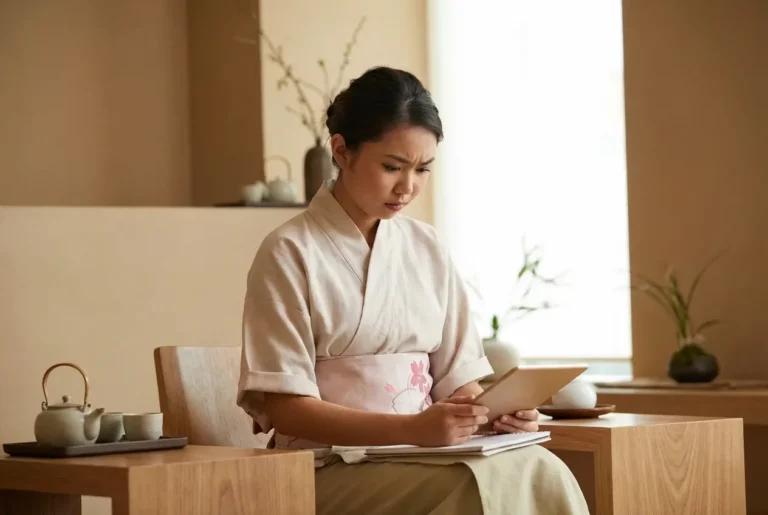
This is the most important point for me.
A great massage therapist never acts like they are beyond improvement. No matter how many years of experience they have, they still listen, refine, and stay open to feedback. They care about how clients feel during and after treatment, and they use that information to improve.
The red flag is the therapist who thinks they are already a guru, assumes nobody can teach them anything, and dismisses what customers say. In my experience, that mindset usually shows up in communication issues, rigid technique, and inconsistent service.
The therapists who earn the best reviews are often not the loudest or most boastful. They are the ones who keep learning.
10. Bigger hands can be an advantage, but technique still matters more
This is a point people do not always talk about openly.
Yes, therapists with bigger hands often have a natural advantage because they create broader skin contact and can make certain strokes feel fuller and more comforting with less effort. That can be especially noticeable in back massages.
But I want to be clear about this. Bigger hands do not automatically mean a better massage. I have met therapists with smaller hands who delivered exceptional treatments because their technique, pressure control, and body mechanics were excellent.
So I see hand size as a plus, not a deciding factor. Skill still wins.
How to use these signs when choosing a spa therapist in Singapore
If you are deciding where to book, do not just look at star ratings and nice interiors. Read reviews for specific clues. Look for phrases like “really listened,” “adjusted pressure well,” “focused on my shoulder knots,” or “made me feel comfortable throughout.”
Those comments usually reveal more than generic praise.
I would also pay attention to whether a spa feels process-driven or therapist-led. A polished menu and beautiful room are nice, but what you are really booking is the person behind the treatment. The right masseur or spa therapist can make a simple room feel amazing. The wrong one can make a luxury room feel disappointing.
For me, the best sessions always come down to professionalism, sensitivity, and the ability to adapt in real time.
So before you book, use these signs as your checklist when reviewing the top massage places in Singapore.
FAQ of a good massage therapist
Look for signs of personalisation, clear communication, good hygiene, and reviews that mention actual results, such as pain relief or improved comfort during the session.
Yes. A good massage therapist should ask about your concerns, areas of focus, preferred pressure, and any injuries before the treatment begins.
No. The best pressure is the one that suits your body, pain tolerance, and treatment goal. A skilled therapist knows how to adjust rather than apply the same force to everyone.
Common red flags include poor draping, a room that is too cold, no consultation before the session, excessive talking, poor hygiene, and ignoring your feedback.
It can help with broader skin contact and comfort, but technique matters more. A therapist with great control and sensitivity will usually outperform one who relies only on size or strength.
Conclusion
When I judge a massage therapist, I do not start with fancy certificates or sales talk. I start with the basics that actually shape the session: respect, comfort, listening, hygiene, adaptability, and the willingness to improve. Those are the signs that usually separate a routine massage from one that truly helps you feel better.
If you are ready to stop guessing and experience what skilled hands can do, book your first session with Ikeda Spa and see how our therapists deliver thoughtful, personalised, and genuinely restorative treatments.