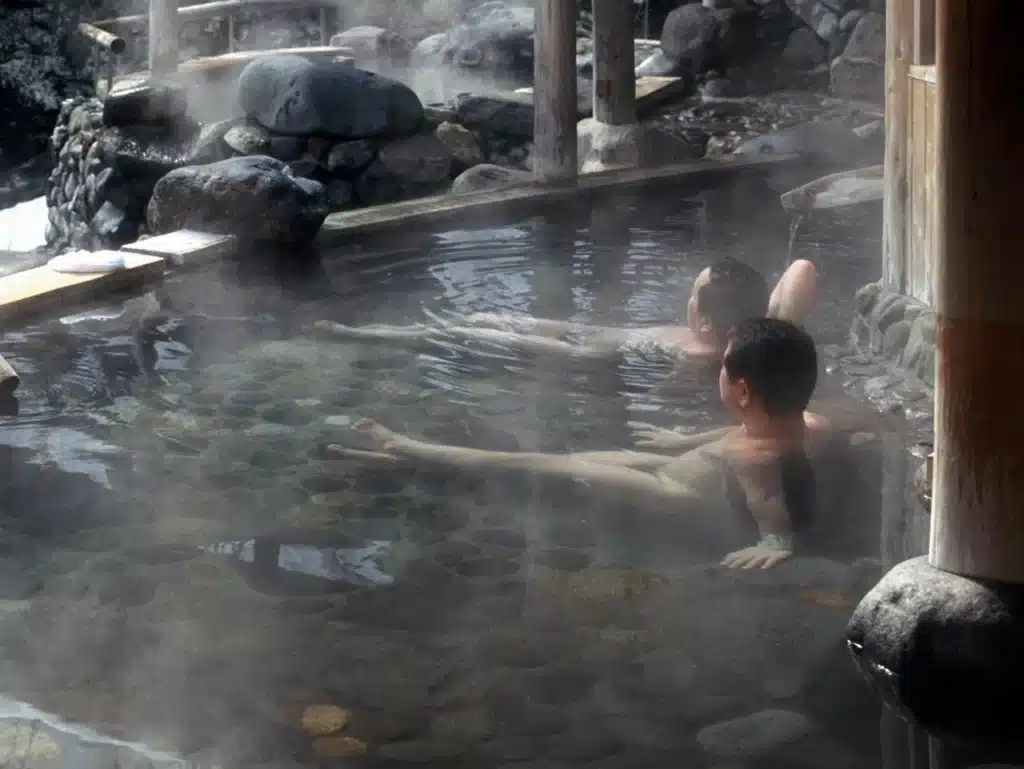
Visiting a Japanese onsen for the first time can be intimidating, especially for shy foreigners. There are a series of rules that bathers must abide by before entering an onsen. For one, the traditional Japanese onsen requires you to be completely nude. This means no towels or bathing suits.
These hot springs are typically public and separate men and women, but Konyoku (mixed-gender baths) also exist. Men and women bathe in a shared space and are still required to strip before entering.
Why should the bathers go completely nude, though? To understand this, we have to look back a few hundred years, to a time when Samurai warriors bathed naked in Samuraiyu (onsens for samurai) to recover from battles. There is a medical term for this: balneotherapy, which refers to bathing for therapeutic purposes.
Balneotherapy is widely accepted in Japan because onsens are naturally rich in minerals with healing properties. One must be fully naked to receive most of its benefits. Onsens can aid recovery from surgery and are even believed to help control hypertension and soothe skin conditions.
Though the concept of birthday suits can still be daunting to some, here are three valuable tips to overcome your doubts and even change your mind.
Tip #1 For Shy Foreigners: Be Mentally Prepared
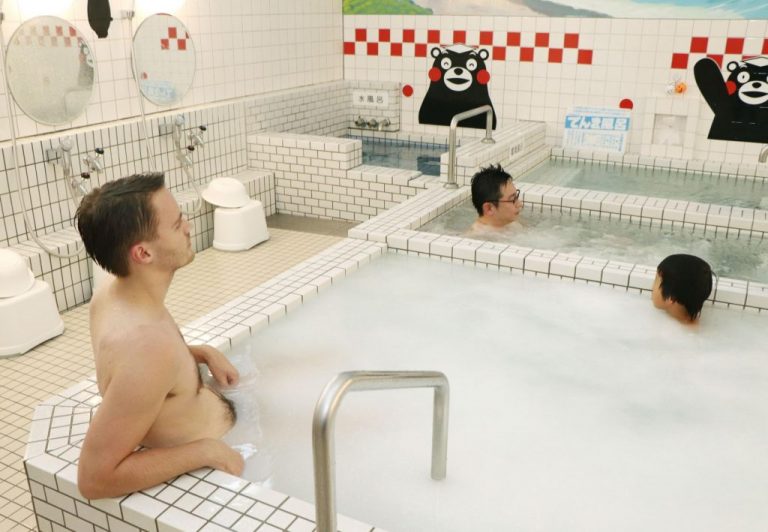
Before visiting an onsen, we suggest you prepare mentally. Give yourself a heads up on what you are going to see. People come in all body types, and they are not going to have flawless bodies either.
In reality, there will mainly be Oba chans, soaking in the water, relaxing or chatting among themselves. They are the ones who truly know that there is nothing to worry about, despite how wrinkly you are or how different your body looks from everyone else’s.
More importantly, be familiar with the rules and etiquette before your visit (read our latest Singaporean guide to using Japanese onsen). Otherwise, you might not even get the chance to dip.
Tip #2 For Shy Foreigners: Accept the Naked Truth
In this day and age, it is challenging to avoid unrealistic body images plastered all over the media. It has undeniably shaped our views of the ideal body type. The truth is, there is no cookie-cutter answer.
It is not surprising that this body myth has affected many, including women, and how they view their bodies. But in an onsen, no one is going to judge you for the way your body looks. It is a place of serenity, where people unwind and chat, except they have no clothes on.
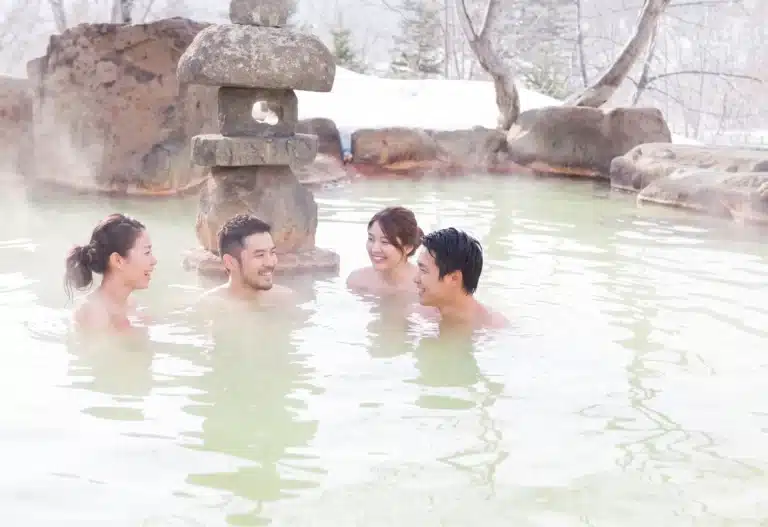
First experiences will always be overwhelmed with insecurities, but it is all just in your mind. Learn to let go of your inhibitions and relax as you soak. Think of it this way that your fellow bathers will be too distracted the moment they soak in the waters anyway. So, conquer that first dip. You might even realise that the experience is not as bad as you thought it was.
Tip #3 For Shy Foreigners: Understand the Japanese Customs
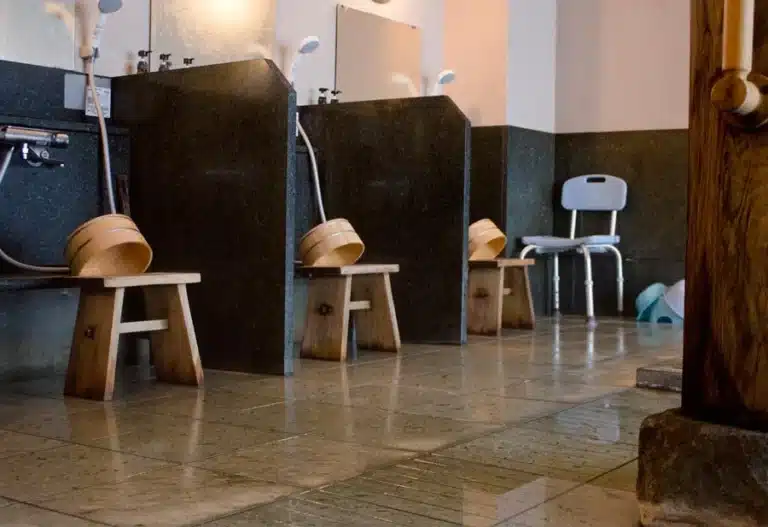
The Japanese onsen is a shared space where bathers enter with a clean body. Therefore, people wash their bodies thoroughly before entering the onsen, then cleanse themselves in it. This respects the Japanese belief that onsens are a gift from Mother Nature, and you must enter only when your body is clean. Even clothing and towels are thought to taint the water. So, keep this in mind when you visit an onsen, as there is a reason people bare it all before soaking.
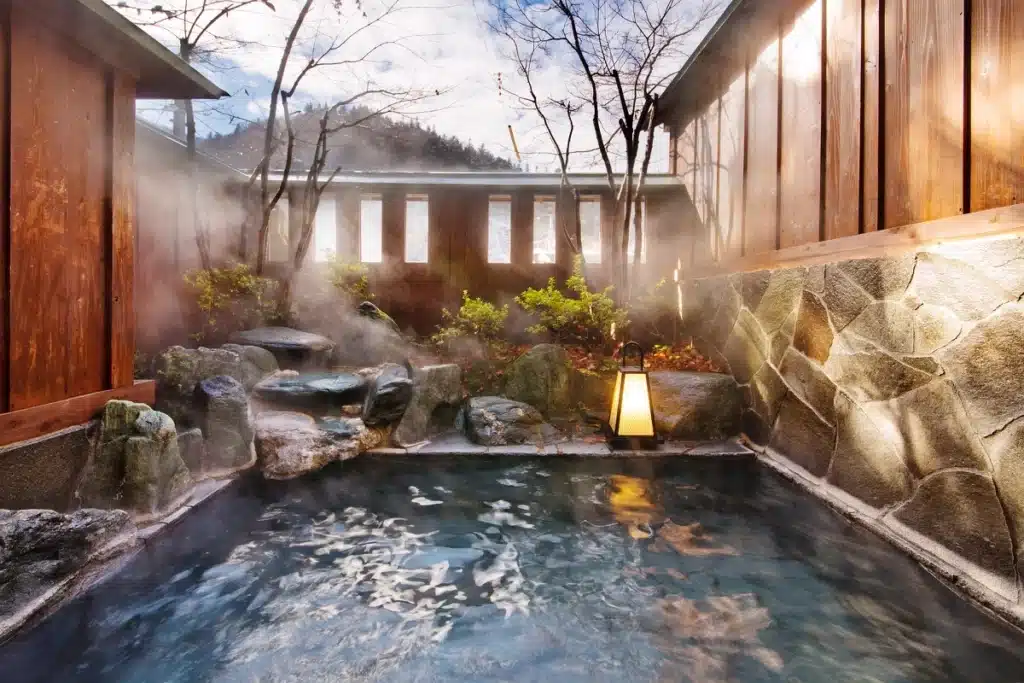
Alternatively, you can always opt for private Rōtenburo or single baths and enjoy your privacy. Some of these baths are also more lenient with rules and may even allow you to soak with tattoos, whereas other traditional onsens forbid it.
At Ikeda Spa, you can also immerse yourself in an authentic Japanese experience. Soak in the Hinoki Onsen Bath, which is reserved for single and couples patrons. Unwind all you want without having to feel uncomfortable!
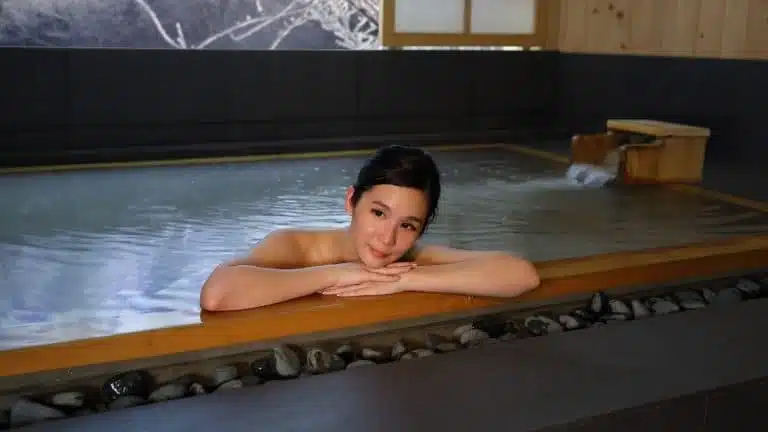
Our baths use hinoki wood, Japan’s most prized cypress. It was once strictly reserved for royalty and sacred places. This precious wood releases mineral oils into the water, enriched with antibacterial properties and soothing scents to treat skin irritation, cuts, and rashes. A hinoki bath is enough to melt away your stress, anxiety and muscle aches while enhancing blood circulation.
For first-timers, Ikeda Spa offers a free Onsen Pass originally worth SGD 100. Book any 90-minute treatment to receive this irresistible deal. Click the banner below to get the coupon.
Now, you have no excuse not to dip in an onsen. Restore your skin’s glow with this nourishing treatment without travelling to Japan!