
Keeping your body warm in winter can be a struggle, and being in Japan is no exception. Its chilly temperatures vary by region. You can get milder temperatures in southern Japan, whereas in northern Japan temperatures can plummet to sub-zero.
Despite this, the Japanese know how to keep their bodies warm in winter. They have adapted to the freezing weather and even use minimal energy and resources to keep themselves feeling snug.
Engawa
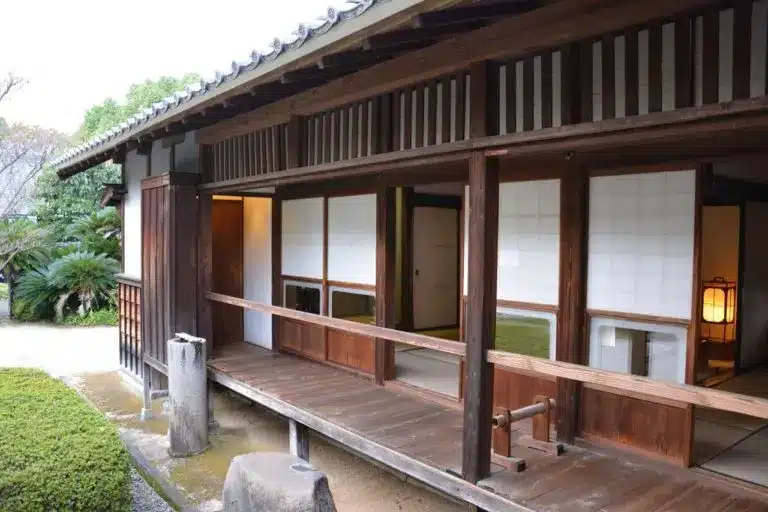
A traditional Japanese house has an engawa surrounding its edge. It resembles a sunroom, capturing as much winter sunlight as possible. Heat is transferred to nearby rooms, keeping their occupants warm throughout winter.
An engawa is a distinctive feature of Japanese architecture, as it is designed to suit the seasons. It keeps you warm in the winter while also letting the breeze in during summer.
During summertime, on the other hand, the engawa doubles as a front porch. The doors slide open to let the summer breeze in. This type of architecture is highly strategic, as it allows adjacent rooms to be warmer in winter and cooler in summer.
Kotatsu Table
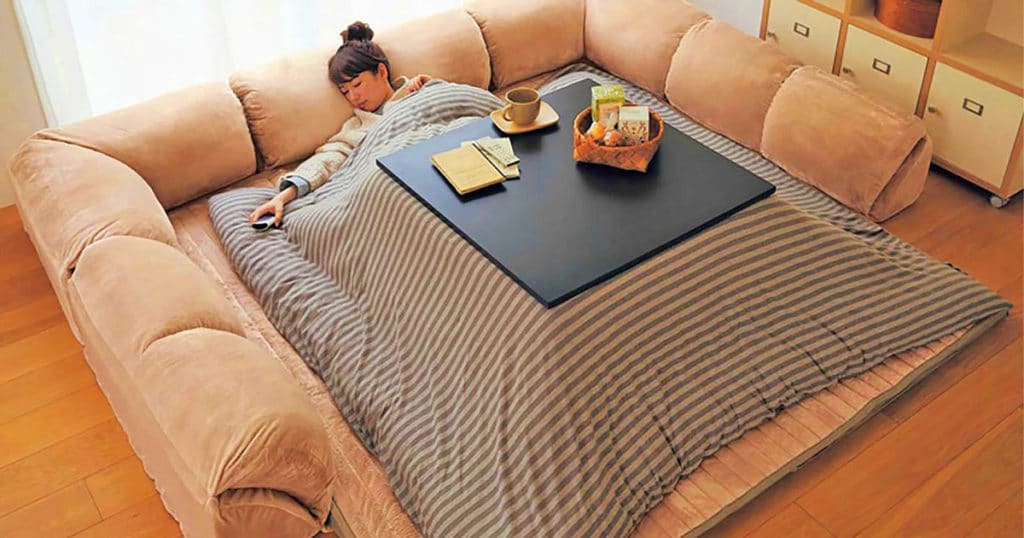
Kotatsu is another brilliant Japanese invention to keep your legs warm. It is a heater tucked underneath a low table, draped with a futon or a thick quilt. Japanese people tuck their legs under the kotatsu blanket as they enjoy tea, read a book, or watch television. It keeps them warm and even makes for a cosy sanctuary to nap.
Kairo
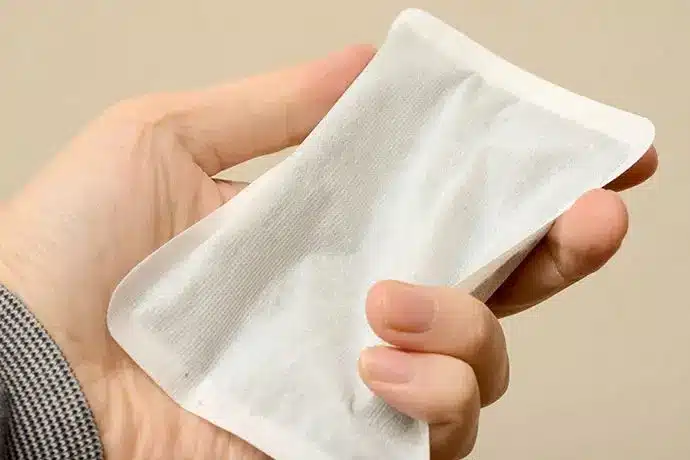
If you want to warm up your body quickly in winter, kairo is a fast way to do so.
Kairo is essentially a pocket warmer filled with a gel-like substance, which heats up when you snap it. There are various types of Kairo. You can keep them in your pockets, between layers of clothing, or even in your shoes. Many eco-friendly versions are available, and Kairo can reactivate them by boiling them in water for reuse. Kairo is a convenient tool that offers warmth and is available throughout Japanese convenience stores and pharmacies.
Winter Food
Cold weather in Japan calls for warm food. This includes winter specialities, such as a Nabe hot pot, a warm bowl of Oden, or ramen.
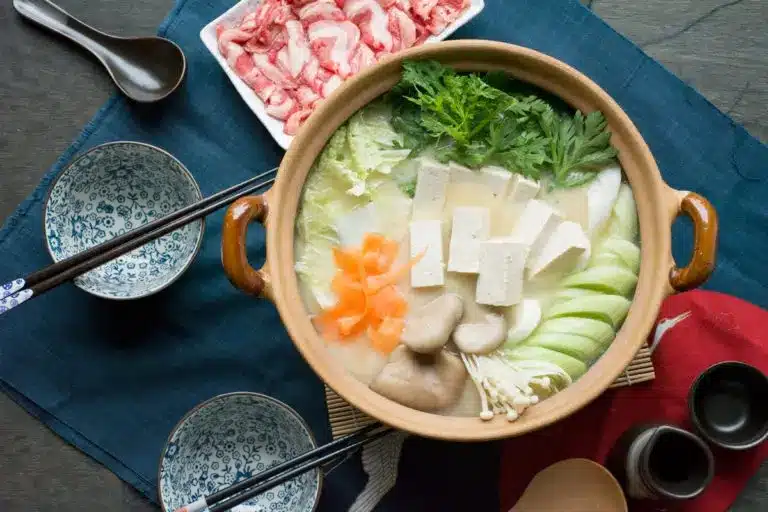
Nabe is a Japanese-style hot pot featuring various ingredients, such as meat, vegetables, and tofu, cooked in a broth of your choice. This customisable dish is served in the same pot it was cooked in, with the stove still burning to ensure every bite is warm. In some Japanese supermarkets, you can find a section set aside for these nabe ingredients, which are already packed for convenience.
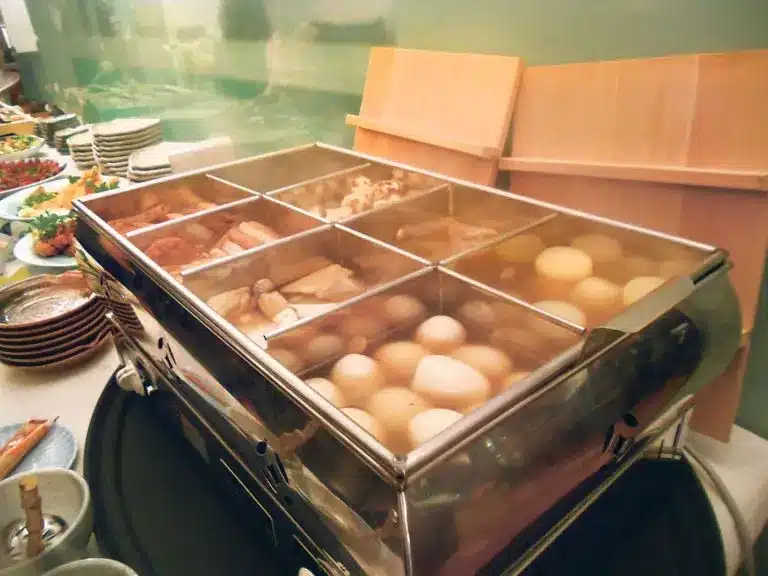
Another winter classic is Oden, a pot dish in a soy-flavoured dashi broth. It is usually eaten with various ingredients, such as radish, fish cakes, Atsuage, deep-fried tofu, and boiled eggs.
Soak in an Onsen
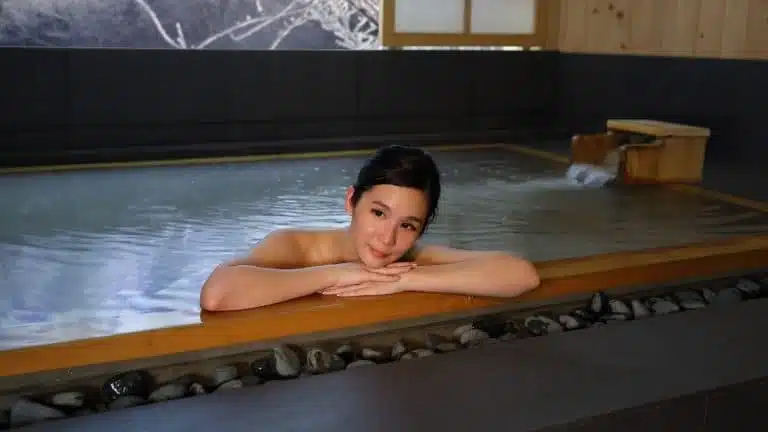
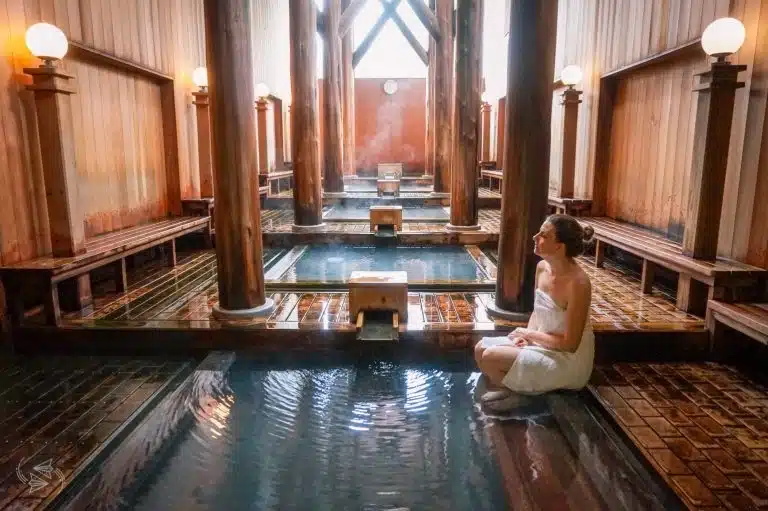
There is something about soaking in an onsen during the wintertime. While traditional onsens are located throughout Japan, offering warmth no matter how cold the region gets, you can easily replicate this toasty, therapeutic experience locally by booking an onsen promotion in Singapore.
This Christmas, to get you in the festive mood, soak in a warm blend of Red Wine Hinoki Onsen! At Ikeda Spa, you can enjoy our Christmas Indulgence without having to travel to Japan. Immerse in an authentic Japanese day spa experience as you pamper yourself and your loved ones with a series of indulgent treatments.
Red Wine helps restore collagen and elasticity in the skin and brightens your complexion. Leave with skin that feels softer and smoother than before. End your treatment with the scent of cranberry, which helps relieve headaches and soothe muscle tension. Awaken your senses with this refreshing yet therapeutic massage.