

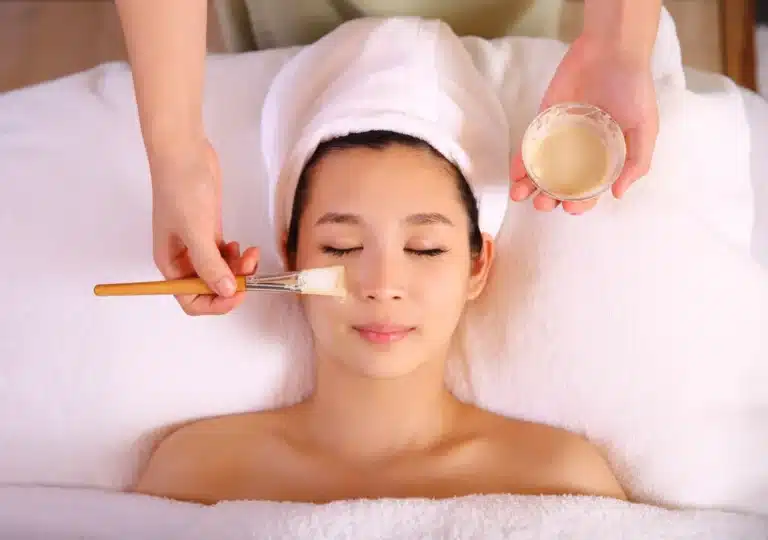
Kabuki actors discovered it, Geishas swear by it, and today, even the beauty-conscious women of New York City are raving about it. This elixir has reached our shores. What is it? Japanese nightingale droppings.
What’s that stuff you’re rubbing on your face?
While this may be your first time hearing about a facial that uses bird poop, as we’ve mentioned already, Facials utilising this ingredient have been around for quite a while in Japan. Uguisu no fun is a traditional part of a geisha’s beauty regimen. Shops in towns with geisha houses (called hanamachi) sell these items, including their distinctive clothing, shoes, wigs, instruments, and cosmetics.
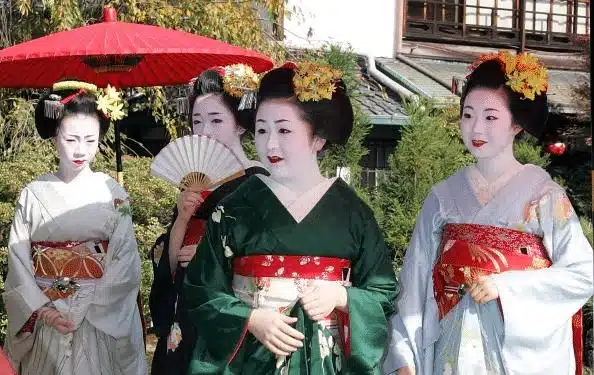
Both geisha and Kabuki actors have traditionally worn heavy white makeup. Originally, the makeup was made with ingredients like zinc and lead, which proved to cause serious skin disease and other problems. Then the geishas discovered that using uguisu no fun completely removed makeup and conditioned and soothed the skin. Although the makeup is no longer made with these ingredients, uguisu no fun had secured its place.
Popular in Japan till now. The West soon caught on, with a handful of spas offering the treatment as part of their facials. Posh Spice is probably the most famous fan of the treatment.
Posh Did It, And Loved It

When Victoria was in Japan recently, she admired the local women’s clear skin. She discovered their flawless skin down to these facials – a friend of Victoria Beckham told it the Closer magazine.
The nightingale dropping facial has also been featured on Oprah Winfrey’s Show.
So is there any real reason to add it to your beauty regimen? Read on to get the poop on, well, the poop.
The Science of Nightingale Dropping
Most bird excrement is white because of the uric acid, which isn’t soluble in water, but different birds have different poop compositions. Japanese nightingale excrement contains large concentrations of nitrogen-rich urea and guanine.
Urea:
- A common ingredient in skincare products that you may use daily.
- Reduces water loss through the epidermis and helps retain skin moisture.
- Accelerate the skin cell regeneration process.
- Help other ingredients in skincare products penetrate more deeply into the skin surface.
- Urea-based skincare products are ideal for people with dry skin and extremely beneficial for skin conditions like eczema and psoriasis.
Guanine:
- The amino acid in the form of a natural enzyme with bleaching qualities.
- Create a shimmery, iridescent effect that gives the skin a glowing look.
- Clear out skin blemishes and brighten dull skin.
- Has a light chemical peeling action without the redness and burning, resulting in a fairer skin tone.
From Birdcage to Your Face

Spreading wild bird poop on the ground to use as fertiliser is one thing, but gathering it to put on your face is another. You might imagine people tracking nightingales and running around, scraping the poop off various surfaces. Still, there’s a precise process involved in turning bird poop into an ingredient. There are nightingale farms in Japan that exist solely to harvest the poop. Wild nightingales eat insects and berries, but the birds are caged and fed organic seeds on farms.
After their poop is collected from the birdcages, it is sanitised using ultraviolet light. After the poop has been dried out (with a dehydrator), it’s ground into an excellent white powder.
Wild bird poop can contain bacteria, fungal spores and other unhealthy substances. Still, uguisu no fun is safe and clean due to the birds’ special diet, controlled habitat and the purification process.
Geisha Organic Facial, Our Signature
Our signature facial uses an organic skincare range from Kyoto. When combined with our unique Japanese Ki massage method, which requires no fewer than 300 strokes, the active ingredients are fully optimised to beautify your skin. In addition to uguisu no fun, this facial treatment also includes a thorough cleansing, exfoliation, meridian massage, and lymphatic drainage with the jade roller, which all involve only natural ingredients, such as rice bran, camellia oil, azuki red beans, and peach moon water that have been traditionally used for beauty care in Japan for centuries. It is an amazing (all-natural and organic) way to lighten and whiten the skin. Due to its hypoallergenic properties, this facial is highly recommended for those with dry, sensitive skin. If you are ready to experience this centuries-old beauty secret for yourself, don’t miss our exclusive first trial facial promotion in Singapore.