

Fourteen days may sound like time to explore Japan’s different onsen. However, given the sheer number, there isn’t much time if you plan to do other stuff. Luckily, with the JR Pass, you have unlimited access to almost all train lines, including the bullet train, saving you a lot of time and money in the long run. The Japan Rail Pass, better known as the JR Pass, can initially seem expensive. Still, the cost of travel for individual tickets can add up to an excessive amount before you know it, so you are better off using the JR Pass for long-distance travel around Japan. With the incredible technological feat of bullet trains that connect the entire country seamlessly, you can reach places up and down the nation in hours. So, it is always a good idea to make full use of the JR Pass’s fast transport by visiting as many places as possible. Hopefully, this itinerary can give you a good idea of what is possible with some planning and coordination.
Starting in October 2023, the base price of the Japan Rail Pass will significantly increase. This increase is due to the yen’s value relative to other currencies, inflation of energy costs, and rising maintenance and operational costs for the railway network.
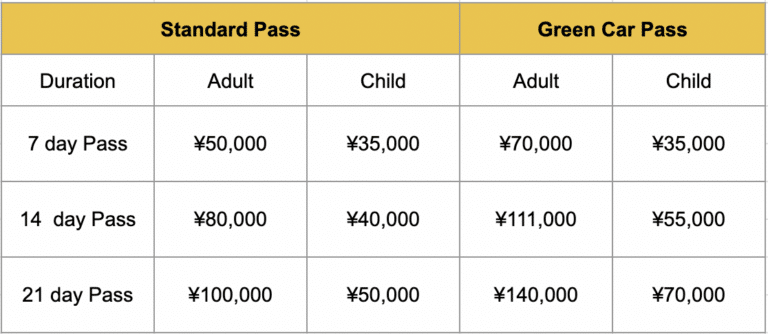
To the dismay of locals, the Japan Rail Pass is only available to foreign visitors, and there are two different types to pick from. The ‘Standard’ version costs roughly ¥80,000 for 14 days, and the ‘Green Pass’ includes the added benefit of first-class seating, offering more comfortable, spacious seats. That costs roughly ¥111,000 for fourteen days as of writing. Seven- and twenty-one-day passes are also for sale, but the fourteen-day pass is an example of this two-week itinerary.
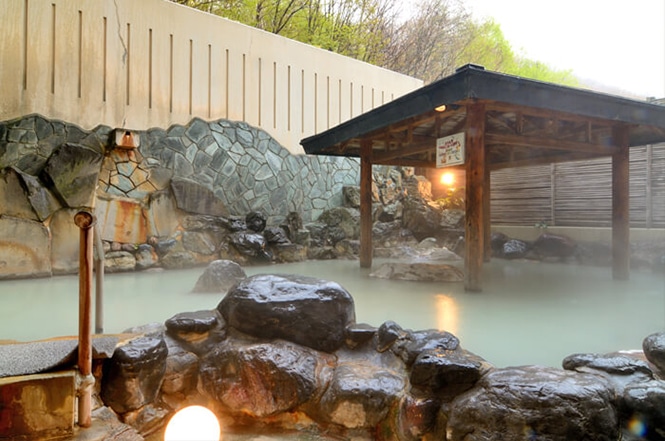
Before we delve into the deep and rich adventure of onsen in Japan, it is probably necessary to explain precisely what onsen is to people unaware. An onsen is a natural hot-water spring that many Japanese bathe in, but not just for a simple wash as you would in a shower. Onsen are hot springs naturally heated by the Earth, and they contain minerals that many people believe contribute to healthier skin, improved blood circulation, and healing properties. Visiting an onsen to unwind physically and mentally is an integral part of Japanese culture and a tradition preserved for generations. Given Japan’s location on the globe, it lies atop and near four tectonic plates, making it a paradise for geothermal activity. The country has onsen dotted around the nation, including volcanoes such as the iconic Mount Fuji.
Table of contents
This guide will be an itinerary designed for the ultimate Japanese onsen experience, with a modest amount of travelling. Still, the bullet train’s rapid technology conveniently connects the country, so the journey will take only a few hours. However, constant travelling will be tiring for anyone, so a couple of cities will serve as ‘home bases’, while short day trips can be taken to nearby places to visit and explore. The Japan Rail Pass will cover most of the initial cost of travel, so that is one less worry off your shoulders when embarking on this adventure. Also, this itinerary was created with Tokyo in mind; specifically, Shinjuku is the starting point, as it is one of the best and most common areas in Japan. However, if you enter the country in a different city, such as Osaka, the itinerary can still be helpful for planning what to visit in that city.
Day 1 – Arriving in Tokyo
After arriving at Narita Airport after a long time sitting on a plane and on transport to reach your accommodation, there is nothing better to do than rest your legs. Therefore, please relax and spend your first day at the onsen in Japan. However, if there are public bath facilities at your accommodation or even a ‘sentō’ bathhouse nearby, that will be a great choice. A sentō and an onsen are pretty similar, but the difference is that the latter uses hot spring water heated by the Earth, while the former is man-made and artificially heated by a boiler.
Day 2 – Tokyo Somei Onsen Sakura
Waking up bright and early for your first morning in Japan, take a 13-minute train ride from Shinjuku Station, take the Yamanote Line and get off at Sugamo Station. A short walk from the station, stroll towards the ‘Sugamo Jizo-dori Shopping Street’. You can spend the day wandering this bustling shopping street, where they sell everything from traditional Japanese snacks and classic street food to clothes and charms. There are also some temples to discover close to the surrounding neighbourhood, such as ‘Shinshōji Temple’ and ‘Togenuki Jizoson Koganji Temple’.
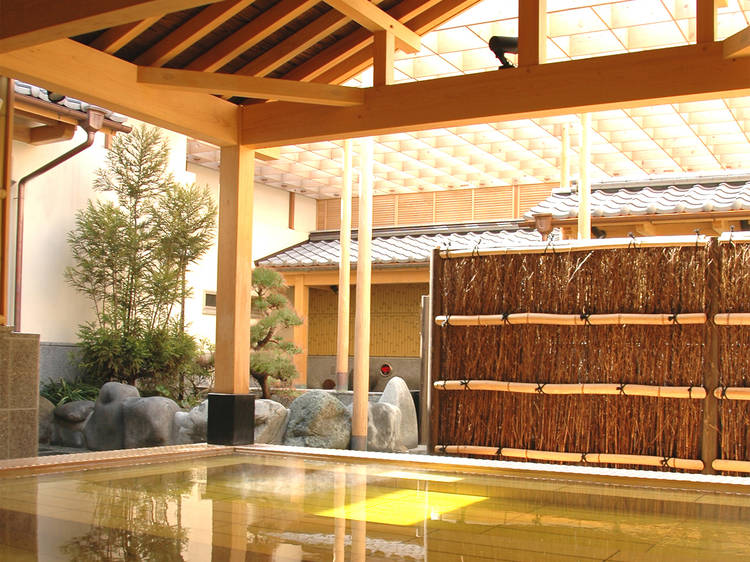
Once you are done and tired out, take a short 8-minute walk towards ‘Tokyo Somei Onsen Sakura’ for soothing relaxation. This modern onsen provides plenty of opportunities and facilities to help soak in hot water and unwind. As the name subtly suggests, the onsen experience is heightened in spring, when the sakura cherry blossoms surround the area in a pink paradise.
Day 3 – Exploring Tokyo
Even though the onsen is the main priority for this travel plan, going to an onsen daily can quickly become laborious, so sprinkling in a few days of rest and non-onsen exploration is important. On top of that, it would not be a trip to Japan without visiting some iconic spots.
From Shinjuku Station, board the train and head down to Akihabara Station. Roam the streets of this electric technological paradise and prepare to be amazed. You could easily spend hours here popping into each store, but if you prefer something closer to nature, head back to Akihabara Station and follow the line to Ueno Station.
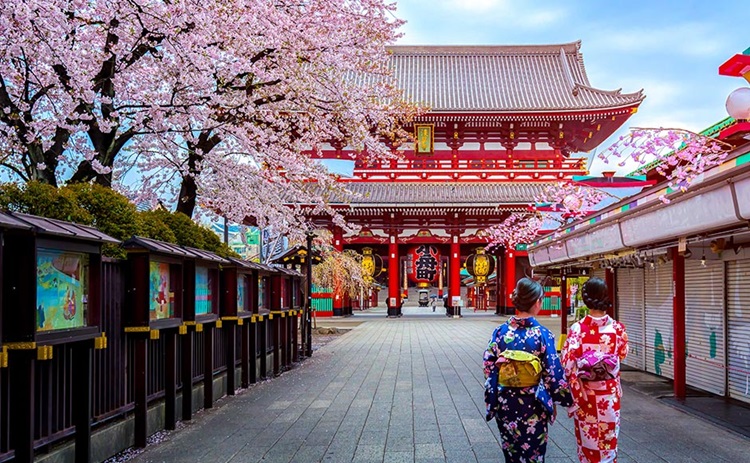
Directly outside, you will be greeted by the extensive stomping grounds of ‘Ueno Park’, which even hosts a zoo and a shrine. Another place you could sink hours of your day into. After your park wandering, you can return to the same station and take a 7-minute train to Asakusa Station to arrive at ‘Sensō-ji Temple’. However, the JR Pass does not cover this station, so it will cost ¥170. If you want to avoid spending the extra yen, you can walk for 23 minutes instead.
As the day winds down and the sun sets, you can take a 17-minute walk across the river towards ‘Tokyo Skytree’ or a 3-minute train ride on the Kita-Senju Line with some walking for ¥150. Once you reach the observation deck, you will be awed by the beautiful city skyline lit up in the evening sky.
Day 4 – Relaxed day in Tokyo
After a long day of exploring, this will be a more relaxed day where you can sleep a little bit more and head out to the ‘Meiji Jingu’ shrine nearby in the afternoon. Hop on at Shinjuku Station, get off at Yoyogi Station and take a 15-minute walk before reaching your destination. Head down the avenue of towering trees and be engulfed in peace and tranquillity.
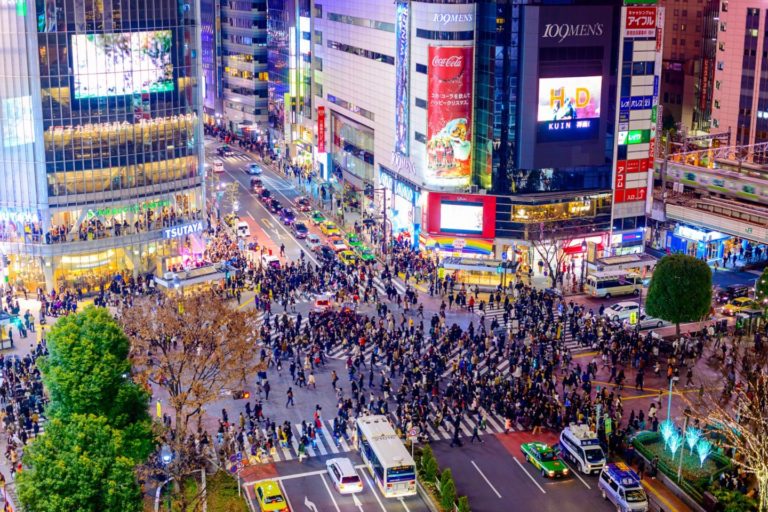
Head back to Yoyogi Station and travel to Shibuya Station to witness the insanity of ‘Shibuya Crossing’ yourself. The famous ‘Statue of Hachikō’ is also there, so you can take a selfie with the monument of the nicest pet dog.
Day 5 – Kusatsu Onsen
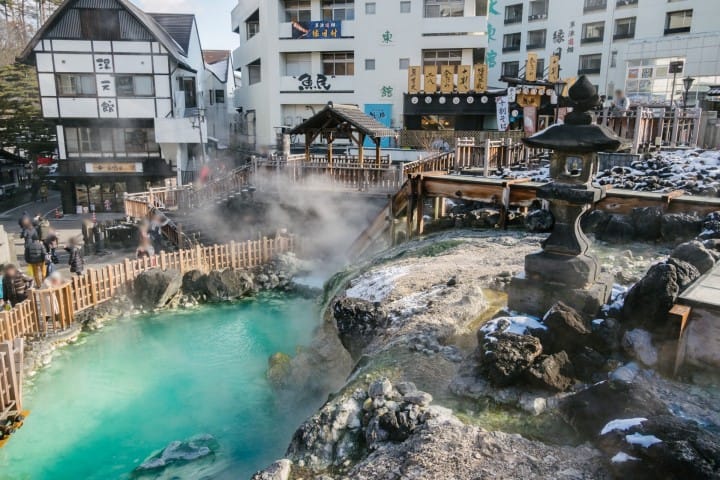
A full day of relaxation is on the schedule, but a train journey is needed first. From Shinjuku Station, head to Ōmiya Station, to Takasaki Station, and then to Naganohara-Kusatsuguchi Station. Finally, you must take a bus outside the final station and get off at the Kusatsu Onsen stop. Unfortunately, the JR Pass does not cover the last bus ride, so you must pay ¥710.
Iconic across Japan, it is one of the top hot spring resorts to visit. The geothermically heated onsen water is believed to have some of the best healing properties. Due to its location, it is encircled by stunning mountains that provide hiking and skiing routes depending on the season.
Day 6 – Tenzan Onsen
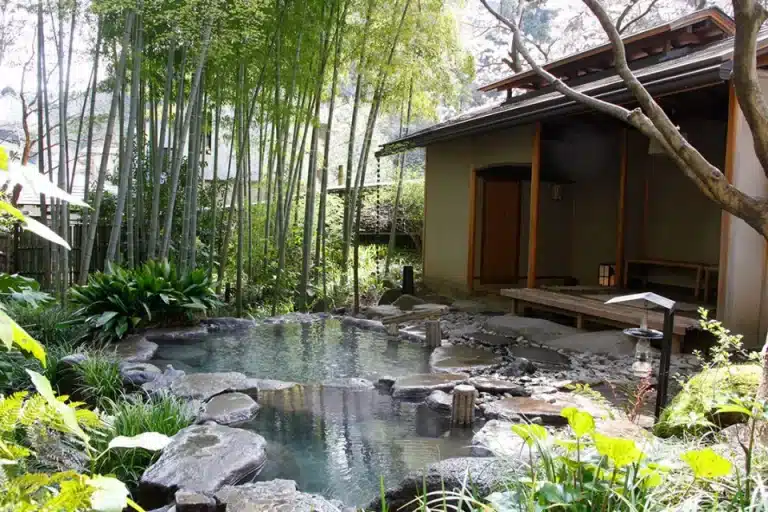
Today, the ‘home base’ in Tokyo will be moving to the beautiful hot spring town of Hakone, so pack all your things as you head down to Shinjuku Station. Start there, then get to Tokyo Station, then to Odawara Station. Unfortunately, from this point on, the JR Pass is no longer valid; you need to take the Hakone-Tozan Line to Hakone-Yumoto Station, then take the bus from there, getting off at the Okuyumoto Bus Stop. It will cost ¥550 for this final portion of the journey.
After settling into your accommodation, head towards ‘Tenzan Onsen’ for pure relaxation. Architecturally designed in an old-fashioned traditional style, it perfectly matches the calm, stoic energy in the area. As you walk through the sliding doors with the soft tatami beneath your feet, you will eventually find yourself in the various onsen they offer in this part of Japan. They have an indoor and outdoor bath, where you can gaze at the gorgeous natural backdrop. There is even one that goes into a cave, so you are spoilt for choice here.
Day 7 – Hakone Onsen
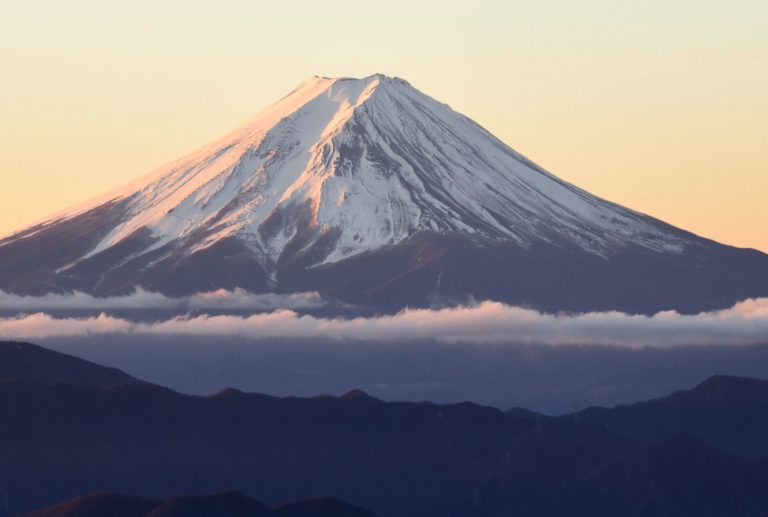
On this day, you can take it slow and explore the area of Hakone. If the weather is not too bad or cloudy, you should be rewarded with a grand view of the almighty Mount Fuji. You could even take a scenic railway ride meandering through wooded valleys and alongside rivers, ending with a ropeway offering overhead views of the surrounding area.
Day 8 – Osaka
On the move again, Osaka will be the next temporary home until tomorrow. From the Okuyumoto Bus Stop, take the bus to Sammaibashi. Get off and take a bus from the Sammaibashi bus stop across the street, heading in the opposite direction. Get off once you reach Odawara Station. This part will cost ¥610, which the Japan Rail Pass does not cover. Luckily, the remainder of this journey is included in the JR Pass. Take the bullet train from Odawara Station to Shin-Osaka Station in 2 hours and 20 minutes.
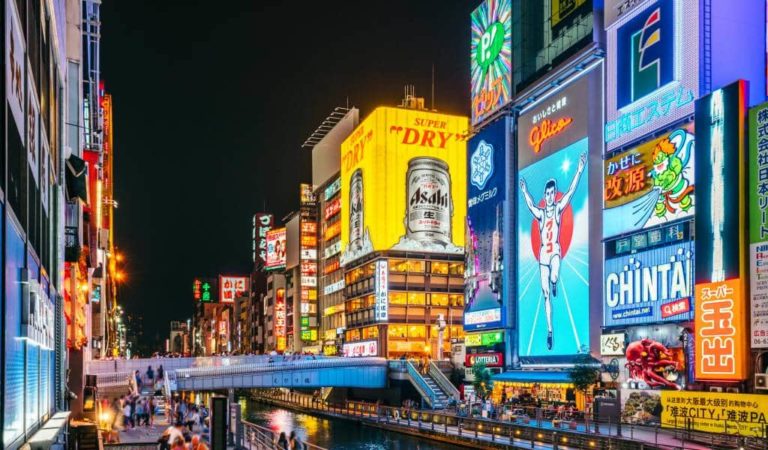
After dropping your luggage off at the accommodation, you are free to explore the city of Osaka. Sadly, it is not as much time as this city deserves, but you can still visit the legendary ‘Dotonbori’ district, with its neon lights radiating at night.
Day 9 – Dogo Onsen
Back on the road, head to the starting point of Shin-Osaka Station, travelling to Okayama Station. From there, get off at Matsuyama Station. Check into your accommodation, then head to the JR Matsuyama Ekimae bus stop and hop off at Dogo Onsen Station. This bus route is not covered by the Japan Rail Pass, which costs ¥300.
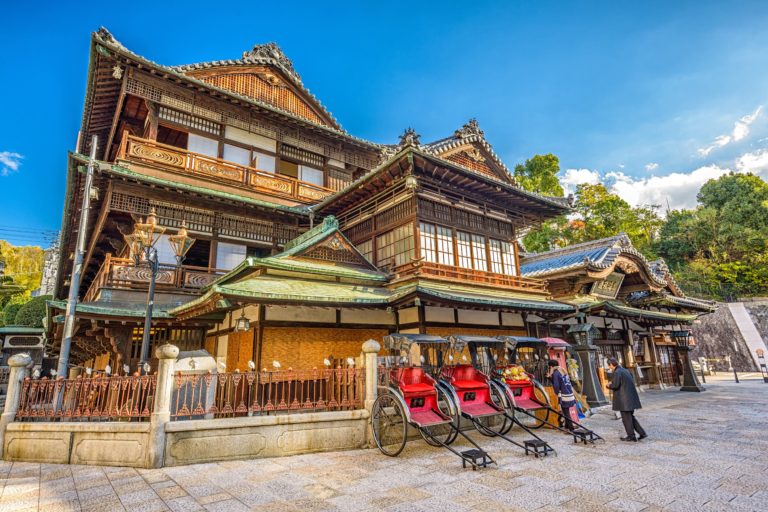
Dogo Onsen is an alluring onsen in Japan, built in 1894, and the centrepiece of this area. Boasting lavish, opulent details, it partially inspired the esteemed bathhouse in the acclaimed Studio Ghibli film Spirited Away.
Day 10 – Beppu
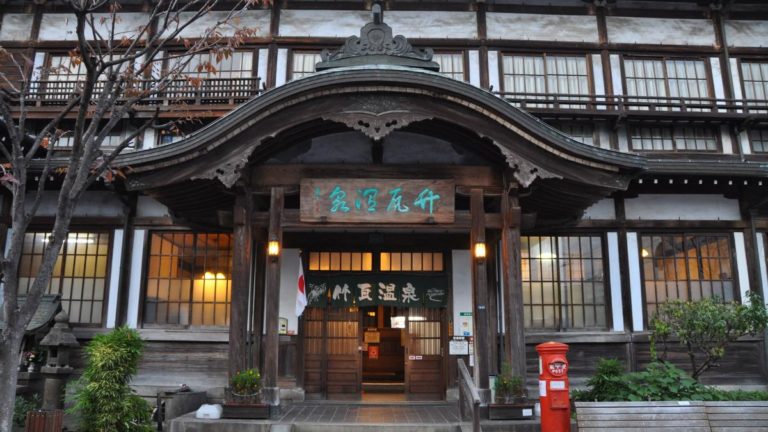
Heading to the trip’s final ‘home base’, go to Matsuyama Station and get off at Imabari Station. You will take a non-JR Pass bus from the front of the station, getting off at the Fukuyama Ekimae bus stop, costing ¥2,600. The rest of this journey is free with the Japan Rail Pass, starting at Fukuyama Station, continuing to Kokura Station, and finally arriving at Beppu Station.
Beppu has seven essential geothermal hot springs, often called the ‘Hells of Beppu’. Japan’s natural wonders are unique; some even have red boiling water. What sets these hot springs apart is that they are for viewing rather than bathing. The scorching temperatures can be extreme, making it unsafe for anyone to bathe in them, hence the name ‘Hells of Beppu’.
However, if you want to bathe in a hot spring, the ‘Takegawara Onsen’ offers both regular and sand hot spring baths.
Day 11 – Ibusuki Onsen
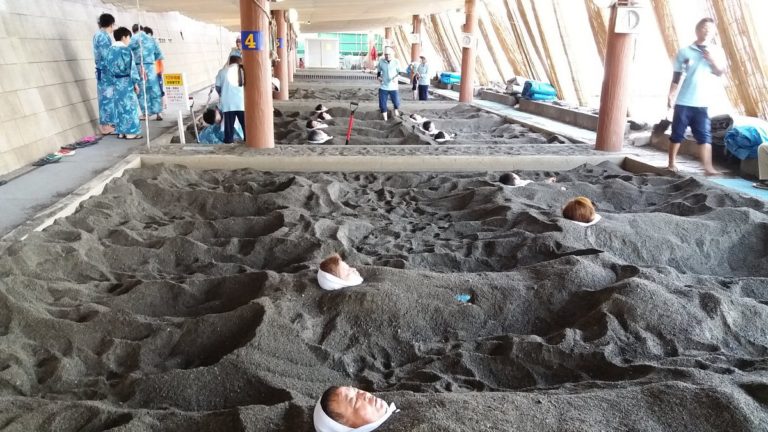
On the final day, we will travel to the south of the country. We will board at Beppu Station, travel to Kokura Station, head to Kagoshimachuo Station, and end at Ibusuki Station.
In the almost-tropical area of Ibusuki, Kagoshima, where palm trees line the coastline and the sun blazes over the beaches, what is interesting here is the unique hot sand baths called ‘sunamushi’. Sunamushi is a type of onsen in Japan where you lie in a shallow pit in the sand and immediately feel the heat from the Earth. The staff then shovels sand over your body until only your head is exposed, allowing it to soak in the heat and pressure of the sand. The geothermal activity in this area is so present that the sand is naturally heated, causing it to turn a darker colour than the usual golden-white most are used to.
Day 12 – Lazy day in Beppu Onsen
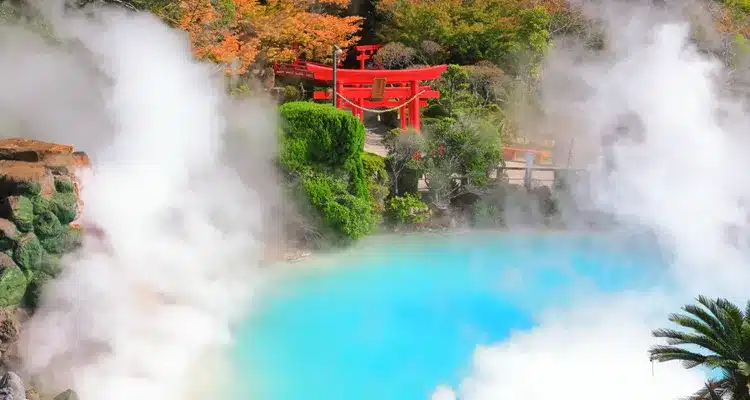
The final day to lie in and take it a bit slower before a lot of travelling back to Tokyo and the airport. You can spend this day exploring the exciting, fun-looking areas of Beppu Onsen, with a possible final session at a local onsen or sentō (communal bathhouse in Japan) to detox one last time.
Day 13 – Journey back to Tokyo
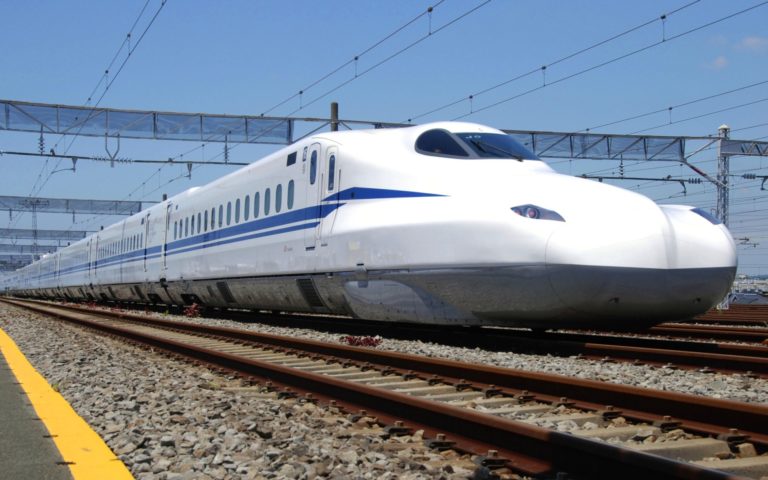
The 6-hour and 40-minute journey back to Tokyo begins at Beppu Station, moves to Kokura Station, then to Shinagawa Station, and finally, reaches Shinjuku Station. With a distance of over 1,120 kilometres between the starting and ending stations, 6 hours and 40 minutes is impressive and a testament to the bullet train’s feat.
You could spend the extra few hours in Tokyo before getting ready for the morning by exploring the city, doing some last-minute shopping, or getting in a couple more hours of sleep. Whatever works for you is fine, but do not miss your flight tomorrow!
Day 14 – Sad farewell

The ultimate onsen-in-Japan adventure comes to a close. You approach Shinjuku Station, switching from Hamamatsuchō Station to the Tokyo Monorail, riding towards Haneda Airport. Having spent the last two weeks travelling up and down the country experiencing different types of onsen, you will wear even some of the biggest onsen lovers. But as soon as that feeling fades away and the itch to jump into a Japanese onsen returns, you can always do it all again.
Total savings
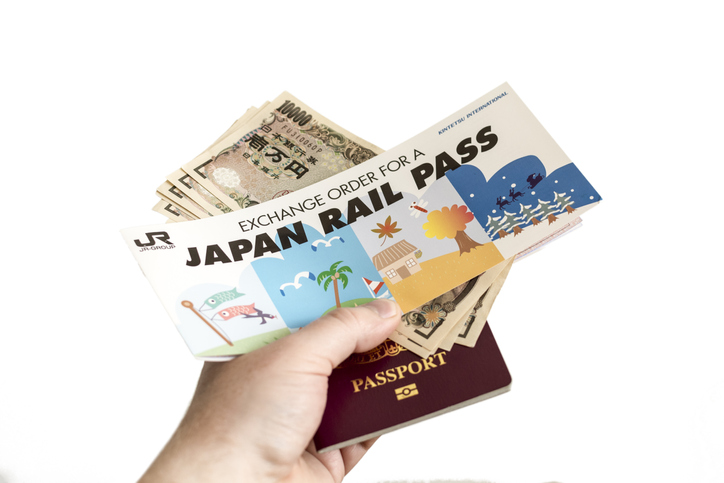
After adding the cost of all individual JR Pass-valid tickets used for transport on this itinerary, it comes to roughly ¥145,720. With a standard 14-day JR Pass priced at ¥80,000, that comes to a savings of ¥65,720!
The above savings do not account for any extra travel you might take on any given day, especially for those free to plan the day however they want. In reality, the savings could be even more significant. While the Japan Rail Pass can seem like a high starting price, taking full advantage of it proves you can make massive savings if you can use it as much as possible. Speaking of travel savings, did you know you can also offset your post-holiday recovery by opting for a KrisFlyer miles spa redemption?