

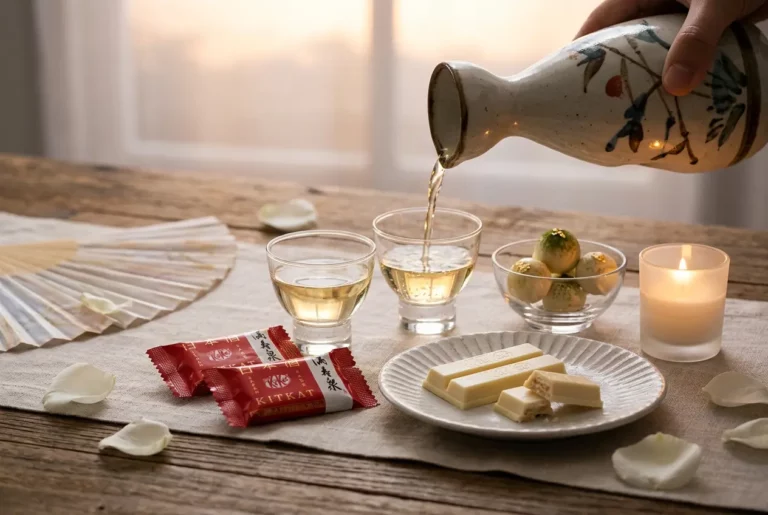
When people think about sake chocolate pairing, they usually picture elegant truffles or dark chocolate bars. I do too. But one of the most fun entry points is actually the Sake Kit Kat, that famous Japanese find so many of us have spotted in airports, department stores, and snack aisles on our trips. So naturally, I wanted to know one thing first: which sake goes with Sake Kit Kat?
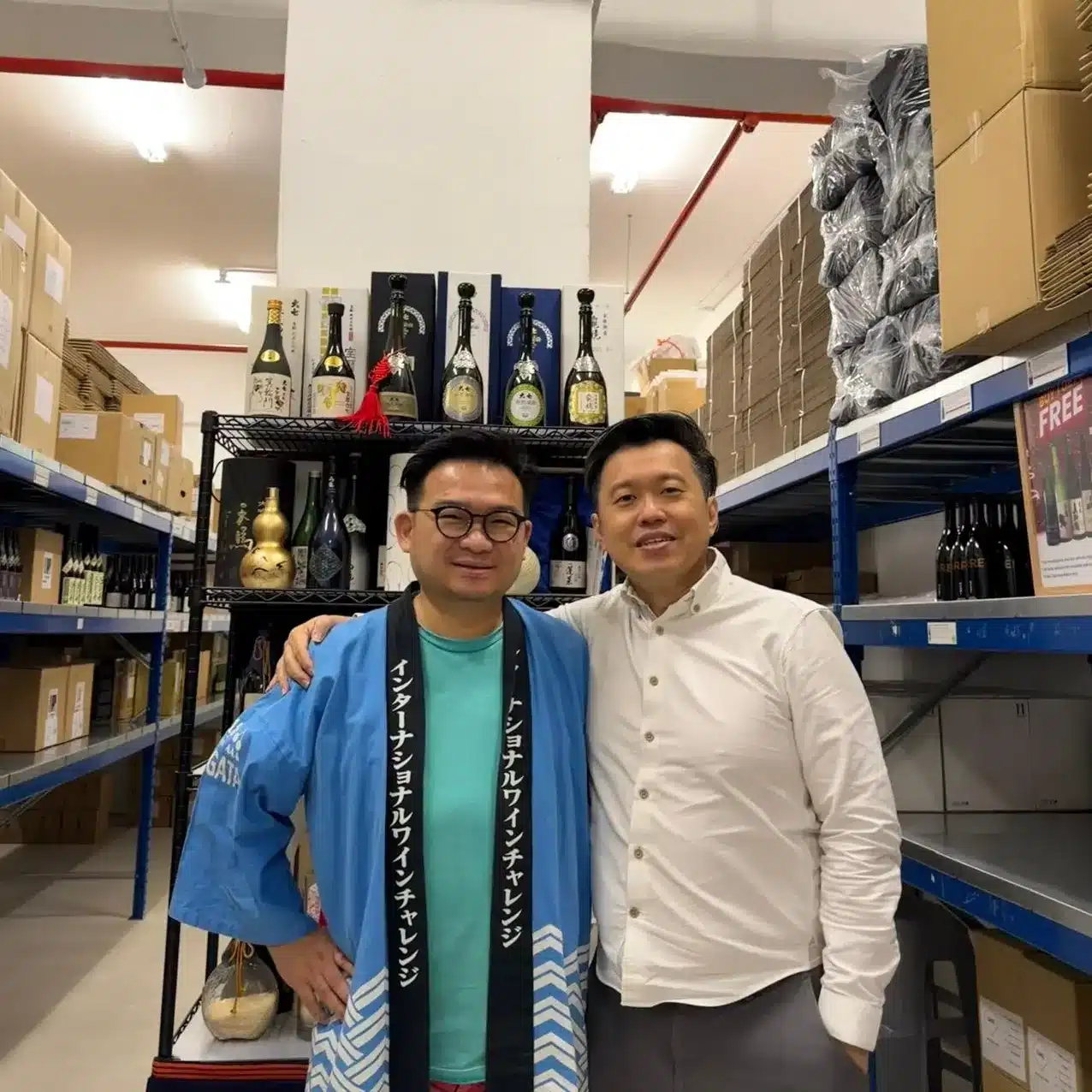
After interviewing Mr Adrian Goh, Director of Inter Rice Asia and Singapore’s first Sake Samurai, I got a clear answer. His pick is a fragrant Junmai Daiginjo. It is light, aromatic, and refined enough to complement the sweetness of Sake Kit Kat without overwhelming it. That answer may sound simple, but the more we spoke, the more I realised it opens up a much bigger and more interesting conversation about sake chocolate in general.
For those of us in Singapore who love Japan, travel there often, and enjoy little luxuries that feel both thoughtful and beautiful, this is such a lovely rabbit hole to go down. It is playful, but it is also surprisingly sophisticated once you understand what makes the pairing work.
Table of contents
- Which Sake Goes With Sake Kit Kat?
- Why Junmai Daiginjo Works So Well With Sake Kit Kat
- Why Sake Chocolate Pairing Works Better Than Many People Expect
- The Biggest Misconception About Sake and Chocolate
- Beyond Sake Kit Kat: How to Pair Other Chocolates With Sake
- Does Temperature Matter?
- The One Disaster Pairing to Avoid
- What I’d Serve for a Chic Sake and Chocolate Night
- FAQ
- Conclusion
Which Sake Goes With Sake Kit Kat?
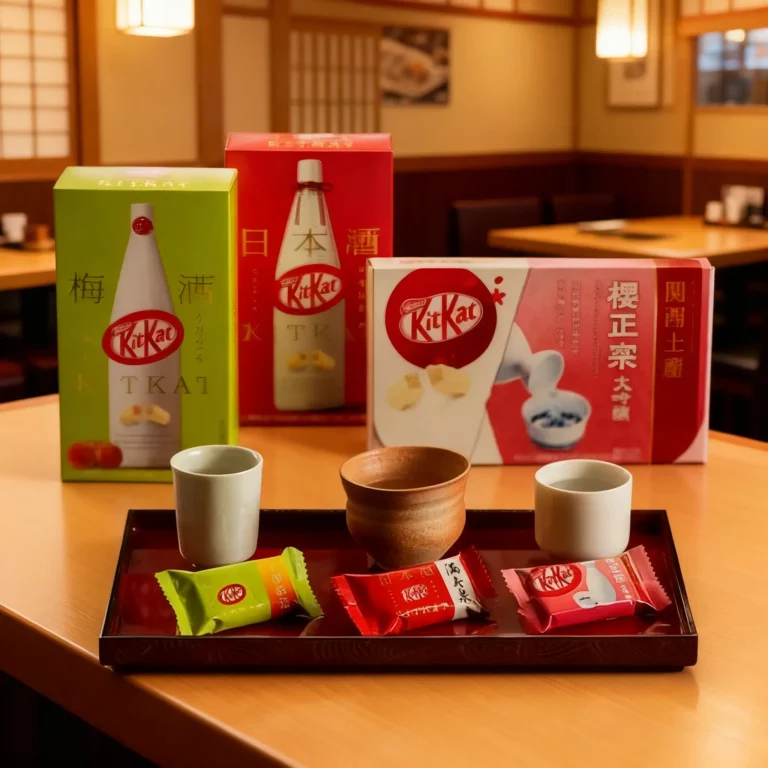
Let me start with the headline answer.
According to Adrian, the best pairing for sake Kit Kat is a fragrant Junmai Daiginjo. His view is that its light and aromatic profile complements the sweetness without overpowering it.
I would pair sake-flavoured Kit Kats with a fragrant Junmai Daiginjo, as its light and aromatic profile complements the sweetness without overwhelming it.
— Adrian Goh, Singapore’s first Sake Samurai
I love this answer because it respects what Sake Kit Kat actually is. It is sweet, nostalgic, and playful. It is not meant to be treated like a serious single-origin tasting chocolate. So instead of pairing it with something heavy or intensely savoury, Adrian leans toward elegance and fragrance.
That makes perfect sense to me. A fragrant Junmai Daiginjo brings lift, polish, and enough aroma to keep the pairing interesting, while still letting the Kit Kat stay fun and accessible. It turns a novelty snack into something that feels a little more special.
Why Junmai Daiginjo Works So Well With Sake Kit Kat
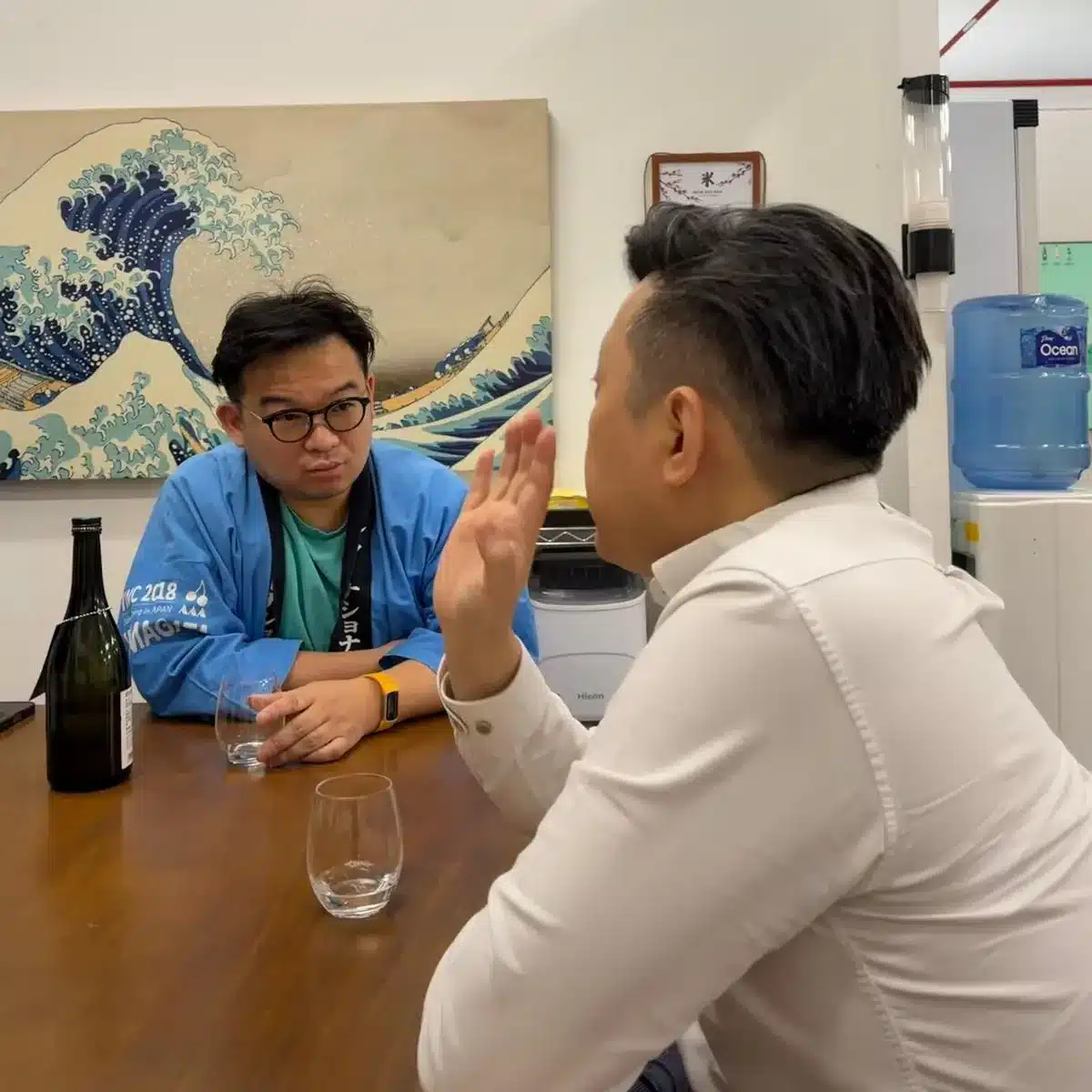
Once Adrian gave his answer, I kept thinking about why it works so naturally.
First, Sake Kit Kat is sweet and fairly straightforward in texture. It does not need a very rich or weighty sake. In fact, something too deep, savoury, or aged might feel too serious for it.
Second, a fragrant Junmai Daiginjo has an aromatic profile that can make the pairing feel brighter and cleaner. Instead of getting stuck in pure sweetness, the sake gives the whole experience a more elegant shape.
Third, the pairing matches the product’s mood. Sake Kit Kat is one of those snacks that sits right at the intersection of premium Japan and playful Japan. Junmai Daiginjo does the same in its own way. It feels polished, giftable, and distinctly Japanese.
If I were serving this at home, I would chill the sake lightly, pour a small amount into proper glassware, and place the Sake Kit Kat on a clean ceramic plate beside it. That tiny bit of presentation goes a long way.
Why Sake Chocolate Pairing Works Better Than Many People Expect
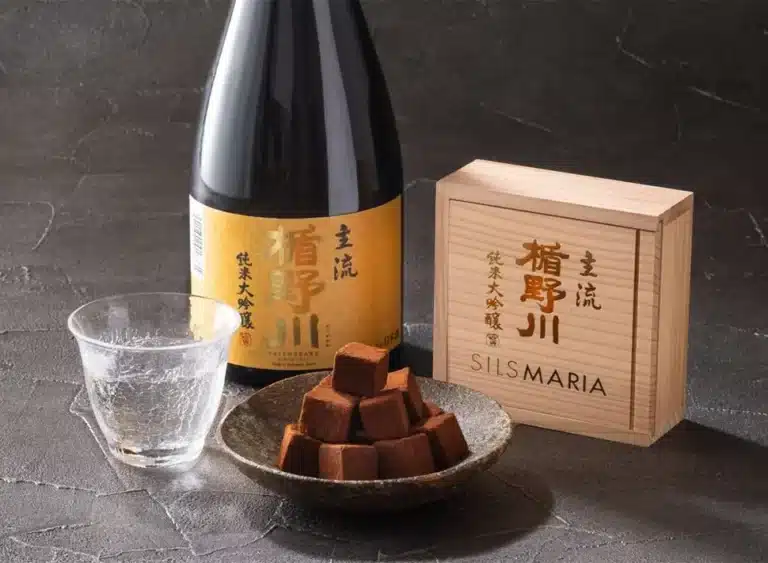
One of the most useful things I learned from Adrian is that sake is not just a quirky alternative to wine or whisky with chocolate. In some cases, it actually makes more sense.
He explained that sake has lower astringency, no tannins, and less alcohol burn than whisky. That matters because tannins can clash with cacao and push bitterness too far, while higher alcohol can make the pairing feel harsher than it needs to.
Sake has lower astringency and no tannins, which can clash with cacao to give an excessive bitter taste. High umami from amino acids and glutamates brings a sense of harmony, allowing the sake and chocolate flavours to co-exist.
— Adrian Goh, Singapore’s first Sake Samurai
That word, harmony, really stayed with me.
It captures why sake chocolate pairing feels so appealing. The best pairings do not fight for attention. They sit beside each other beautifully. Sake often has the softness and umami to do exactly that.
The Biggest Misconception About Sake and Chocolate

Adrian also shared something I think many people need to hear. The biggest misconception is that sake must be dry to be serious, so many people assume it cannot go with sweets or desserts.
That idea is so limiting.
The biggest misconception is that sake must be dry to be a serious sake, and therefore cannot go with chocolate, sweets or desserts.
— Adrian Goh, Singapore’s first Sake Samurai
I find that especially relevant for anyone curious about sake chocolate but intimidated by sake language. You do not have to chase the driest bottle on the shelf to make a pairing feel sophisticated. You just need balance.
That is also why the Sake Kit Kat pairing is such a good gateway. It immediately shows that playful sweetness and refined sake can absolutely belong in the same experience.
Beyond Sake Kit Kat: How to Pair Other Chocolates With Sake
Once you understand why Junmai Daiginjo works with Sake Kit Kat, it becomes much easier to branch out into other chocolate pairings.
| Chocolate Type | Best Sake Styles |
|---|---|
| Dark chocolate | Koshu, Kimoto, Yamahai, rich Junmai |
| Milk chocolate | Kimoto, Yamahai, Nigori, Kijoshu |
| White chocolate | Sparkling sake with high acidity and fruity aromatics |
| Fruit-filled chocolate | Fragrant, fruit-forward sake styles |
| Caramel or toffee-filled chocolate | Koshu, Kijoshu |
Best sake styles for dark chocolate
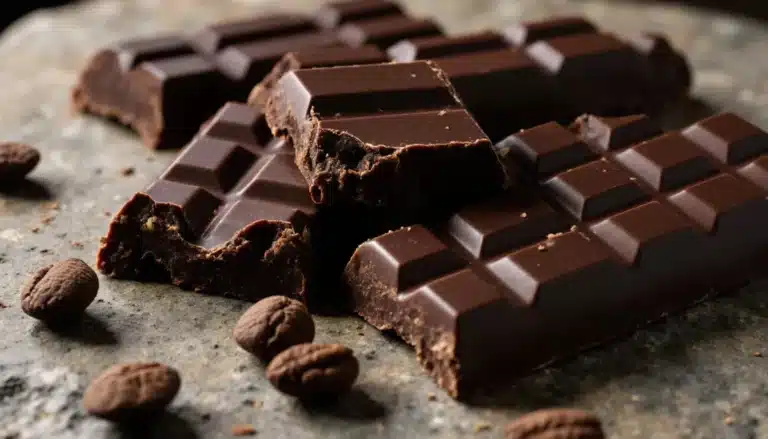
Adrian was very clear that dark chocolate needs more than a delicate, elegant sake. Its bitterness and richness can easily swallow lighter styles.
He recommended Koshu, Kimoto, Yamahai, or a richer Junmai. He also said Koshu is an easy choice, especially when the dark chocolate has flavour notes that lean toward dried fruit or nuts.
I think this is such a useful distinction. If Sake Kit Kat pairs well with a fragrant Junmai Daiginjo because it is lighter and sweeter, dark chocolate usually calls for the opposite. It needs depth, savouriness, or maturity.
For home pairings, I would start with dark chocolate around 60 to 70 per cent cacao rather than something extremely bitter. That gives the sake more room to express itself.
Best sake styles for milk chocolate
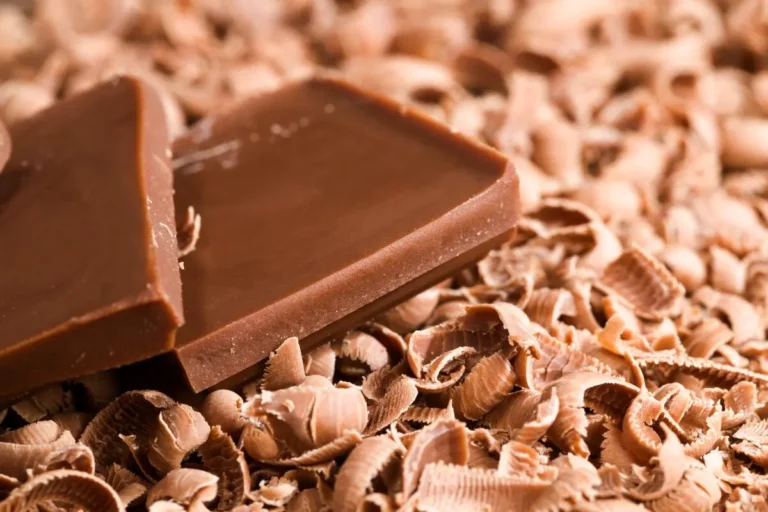
I really liked Adrian’s thinking here because he did not approach milk chocolate as just a sugar issue. For him, milk chocolate is also about creaminess, smoothness, and texture.
He suggested Kimoto or Yamahai for their lactic notes, Nigori for textural harmony, and Kijoshu for sweeter, more decadent milk-chocolate styles.
That idea of matching texture instead of always chasing contrast feels very Japanese to me. It is subtle, but it works. A soft, creamy chocolate with a fuller, silkier taste can feel incredibly indulgent.
Best sake styles for white chocolate
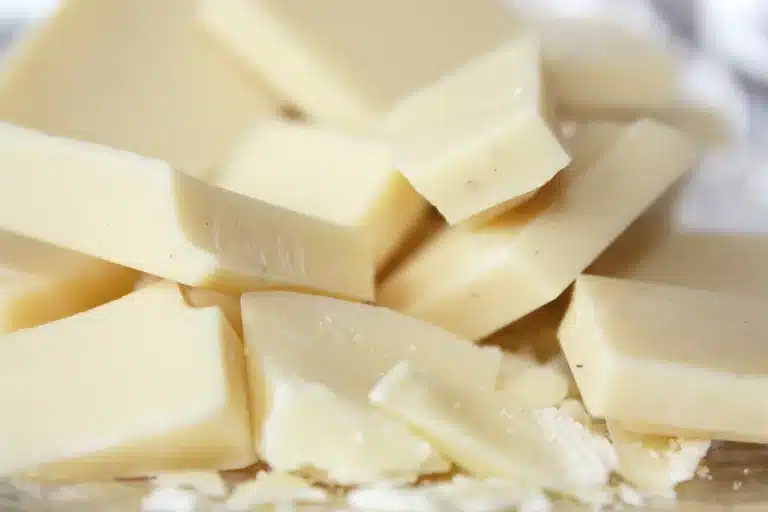
White chocolate can be lovely, but it can also become heavy very quickly if the pairing is not right.
Adrian’s answer was a sweet, fruity sparkling sake with high acidity. He explained that white chocolate is mostly fat and sugar, so it amplifies whatever it is paired with. You need acidity, bubbles, or aromatics to lift it.
That is such a smart principle to remember. When a chocolate feels buttery or cloying, reach for freshness and sparkle.
Best sake styles for chocolate with filling
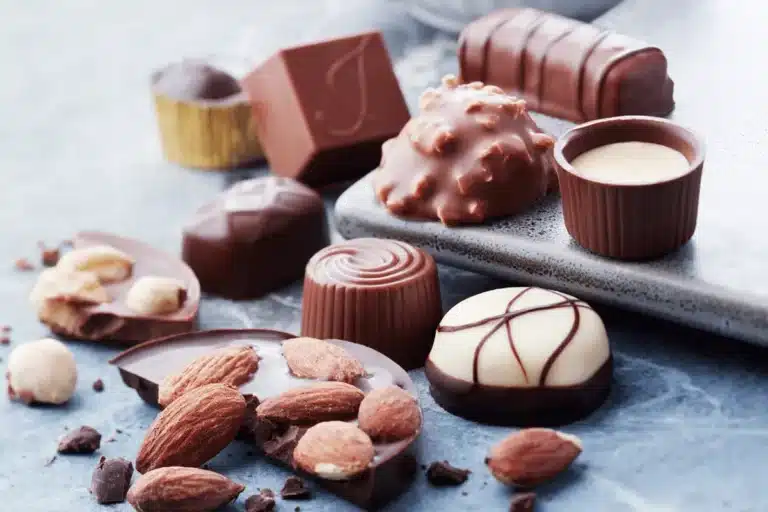
This might have been my favourite practical tip from the whole interview.
Adrian said to match the filling first, then the chocolate. He compared it to food pairing, where you often match the sauce before the meat. That logic makes so much sense once you hear it.
Fruit-filled chocolates
Match the fruitiness first. Look for a sake with aromatic freshness that echoes the fruit.
Caramel or toffee-filled chocolates
Match the sweetness and savouriness with Koshu or Kijoshu.
This is also why Sake Kit Kat is such an interesting case. Its identity is driven by that sake-flavour cue first, not just by the wafer-and-chocolate structure. So pairing it with a fragrant Junmai Daiginjo feels very intentional.
Does Temperature Matter?
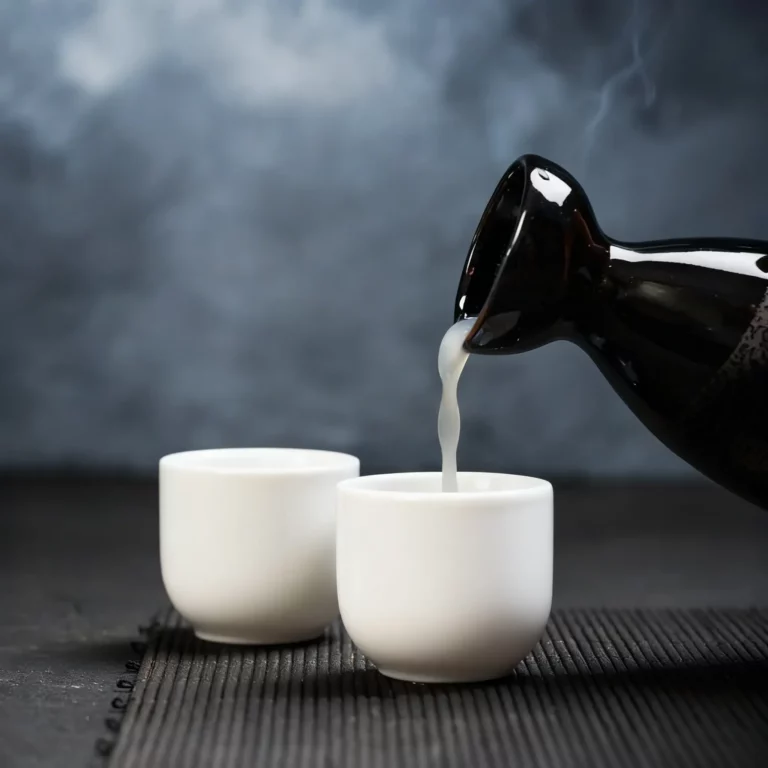
Yes, absolutely.
This is where I changed my own thinking a bit after speaking with Adrian. I used to assume chilled sake was always the safest option with chocolate. His answer was much more nuanced.
He said he would pair a warm sake, perhaps an aged sake, with dark chocolate to balance umami and acidity. For chocolates with fillings, he might go colder, below 10 degrees, for a cleaner and sharper pairing. Other than that, matching the sake’s temperature to the chocolate is fine.
That tells me there is no one rigid rule here. The best temperature depends on the style of sake and the chocolate’s personality.
For Sake Kit Kat, I would still keep the Junmai Daiginjo lightly chilled. It feels cleaner, fresher, and more elegant that way.
The One Disaster Pairing to Avoid
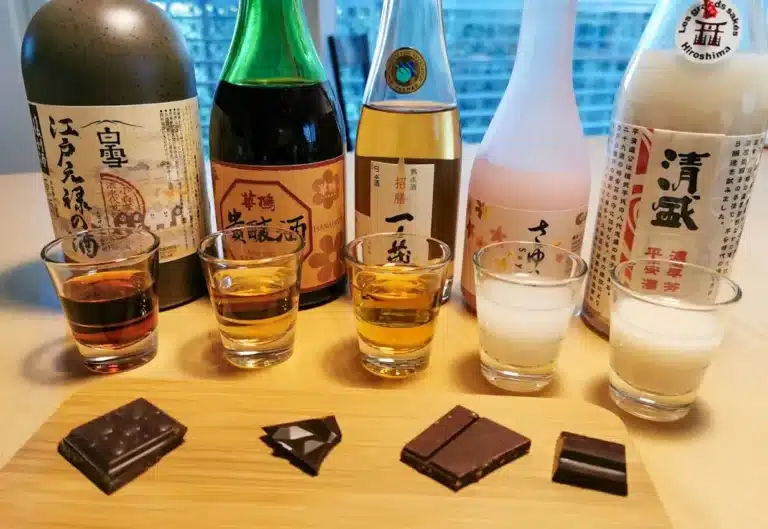
I always like asking experts what not to do, because that advice can save a lot of disappointment.
Adrian’s example of a disaster pairing was a cho karakuchi, or super dry sake, with dark chocolate. He said it can taste bitter, metallic, and hollow, with a harsh finish.
That sounds exactly like the kind of pairing people make when they assume “dry equals premium” and stop there.
It is a good reminder that sake chocolate pairing is not about status. It is about fit.
What I’d Serve for a Chic Sake and Chocolate Night
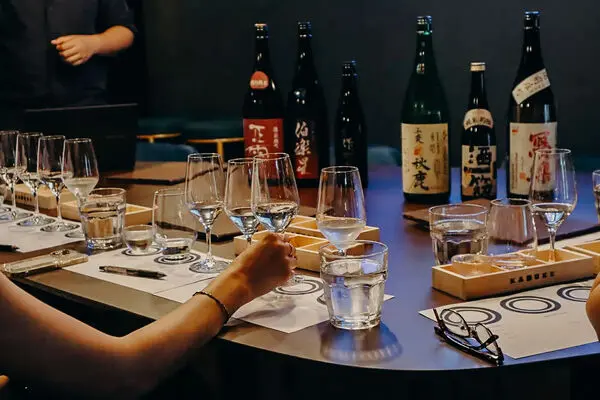
If I were putting together a tasting night inspired by this interview, I would keep it intimate and simple.
I would serve:
- A fragrant Junmai Daiginjo with Sake Kit Kat
- A Nigori with milk chocolate
- A Kimoto or Yamahai Junmai with a richer chocolate
- One deeper option, like Koshu, with dark chocolate, if I could get it
I would taste in that order too, from lighter and sweeter to deeper and more intense. That way, the palate builds naturally instead of getting overwhelmed too early.
And because so much of this experience is about mood, I would absolutely lean into the details. Soft lighting, ceramic plates, good glassware, and just enough space to slow down and actually notice what is happening.
FAQ
According to Adrian Goh, Singapore’s first Sake Samurai, a fragrant Junmai Daiginjo is the best match because its light and aromatic profile complements the sweetness without overwhelming it.
Yes. It is playful, easy to find in Japan, and a great entry point into sake chocolate pairing because it shows how sake can work beautifully with sweet flavours.
Adrian recommends Koshu, Kimoto, Yamahai, or a rich Junmai. Dark chocolate needs weight and depth rather than a delicate aromatic style.
There is no one perfect universal answer, but Adrian highlighted Nigori, Kijoshu, and aged sake as especially safe and versatile places to start, depending on the chocolate.
A super dry cho karakuchi sake with dark chocolate is one to avoid. Adrian described it as bitter, metallic, hollow, and harsh.
Conclusion
If you came here wondering which sake goes with Sake Kit Kat, the answer is clear: start with a fragrant Junmai Daiginjo. But what I love most is that this answer opens the door to a broader world of sake-chocolate pairings that feels both fun and genuinely refined.
After speaking with Adrian Goh, I see these pairings less as a novelty and more as a beautifully balanced part of Japanese food culture. There is elegance in it, as well as warmth and playfulness. And if that sounds like your kind of indulgence, book our Valentine’s Day spa promotion featuring premium sake and chocolate.