

White Valentine’s Day is celebrated throughout Japan. This white-themed holiday falls one month after Valentine’s Day, on 14 March. During this time, couples, friends, and colleagues who received gifts on Valentine’s Day must return the gesture.
White Valentine’s Day: The Rich Japanese History
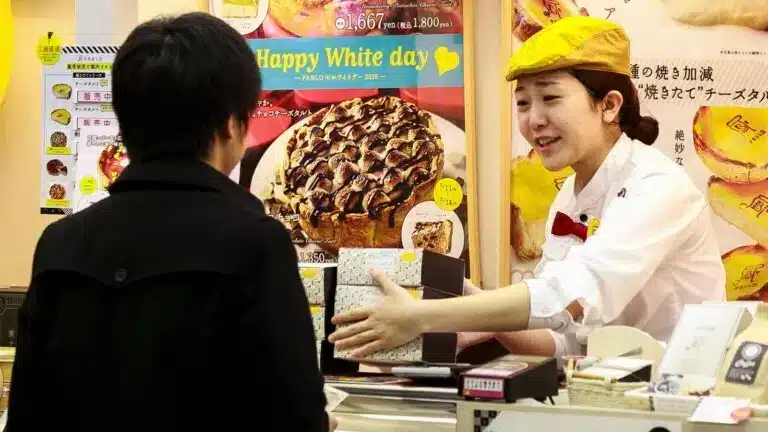
White Day was initially called Marshmallow Day and was introduced in 1977. A Japanese confectionery store invented this holiday. Its executive, Zengo Ishimura, was flipping through a women’s magazine for inspiration when he came across a particular letter from a lady. It read:
It’s not really fair that men get chocolate from women on Valentine’s Day, but they don’t return the favour. Why don’t they give us something? A handkerchief, candy, even marshmallows…
Inspired by this, Ishimura dedicated a day where men can express their appreciation to the women in their lives. He asked the women in his company to choose a day they would like to be pampered with gifts; March 14 emerged as the winner.
His confectionery store concocted chocolate-filled marshmallows as a sweet sentiment for men to surprise their loved ones. This holiday gained traction and spread throughout Japan by the 1980s.
The market standardised Marshmallow Day to White Day and commercialised it. Soon, people accepted white chocolates and other tangible items as White Day gifts.
White Valentine’s Day: 5 White-Themed Gifts
White Chocolate
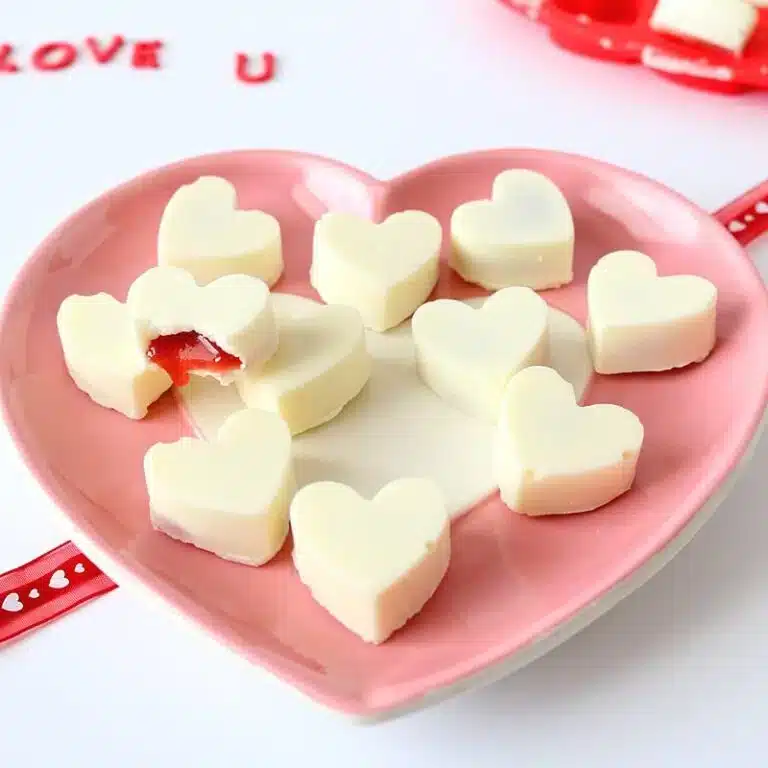
The Japanese call this classic gift Honmei-choco. It translates to “true feelings chocolate”, reserved for that special someone.
In Japan, these chocolates are usually high quality and expensive, but men who want a cheaper alternative will make them themselves.
You do not have to break the bank on chocolates, as gifting handmade ones can prove just as valuable as, if not more valuable than, the view the recipient has of you.
Hard Candy
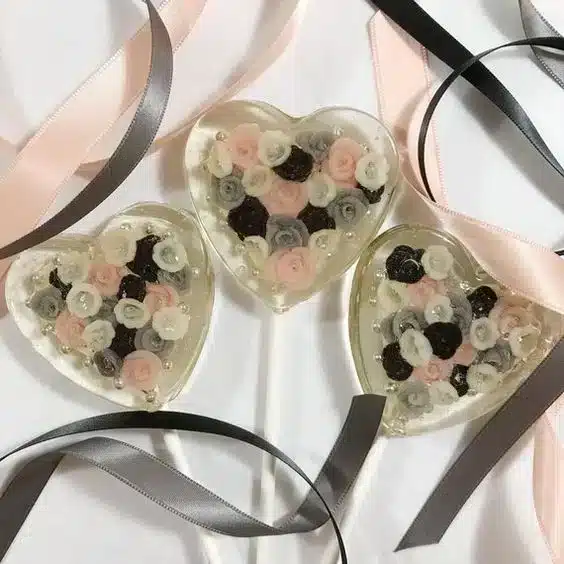
The Japanese believe hard candy represents attraction towards the receiver. The mentality behind this is that hard candy does not dissolve as soon as you eat it, so your lover can enjoy its taste for much longer.
Marshmallow

In the 1970s, chocolate-covered marshmallows were the norm before White Day skyrocketed in popularity. Marshmallows symbolise pure love, whereas their chocolate coating stands for reciprocated love.
However, because marshmallows dissolve quickly as you consume them, they are now perceived to express a lack of interest in the other party. While some avoid giving marshmallows as White Day gifts, others are unaware of their hidden meaning. These all depend on the place, receiver, and generation.
In addition, men can pair this with a handwritten note to clarify their intentions behind the gift. No confusion is inflicted, so there is no need to fear away from this treat for White Day!
White Lingerie

On White Day, Japanese men would gift their lovers white clothing, particularly lingerie. Unlike any other gift, you might not want to get lingerie at the start of your relationship.
Despite being hit-or-miss, lingerie can make for a classy and elegant surprise for the ladies. It typically shows that you know what looks good on your significant other.
With that being said, shopping for lingerie comes with a quandary. Getting the correct size and preferred designs for your lady can be tough. So, you might want to see what she already has prior to.
White Valentine’s Spa Treats
Tangible gifts aside, why not surprise your sweet Valentine with a luxurious experience at a Japanese day spa? Inspired by White Day in Japan, Ikeda Spa has set aside luxurious treats for lovebirds. Skip the candy this year and click here to check out our Celebrate White Day Spa Promo to treat her to a Japanese relaxation experience she will never forget.
Surprise your lover this Valentine’s Day with the Valentine Spa Promotion, featuring unique, swoon-worthy treats that are sure to set the mood.