

As we all know, the Chinese New Year is a cherished annual tradition across many Asian cultures, marked by house visits, wearing new clothes, and celebrating new beginnings. But did you know that in Japan, the Chinese New Year is not an official cultural practice? Unlike its neighbours, Japan follows a different approach to New Year celebrations. Let’s explore why Japan doesn’t traditionally celebrate the Chinese New Year and whether it’s a good time to spend your festive season in the Land of the Rising Sun. This CNY travel guide in Japan will help you make the most of your trip. (And if you’re skipping the airport this year, treat yourself to a local getaway with our exclusive flash deal!)
Table of contents
Do the Japanese Celebrate the Chinese New Year in Japan?
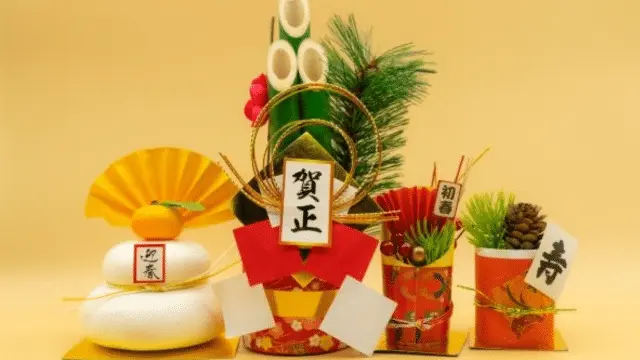
Are you wondering if Japan will join in on the Chinese New Year festivities? The short answer is no. Japan doesn’t officially celebrate the Chinese New Year. Instead, the country follows the Gregorian calendar for its New Year traditions, called shōgatsu, which begins on January 1st.
That said, the Lunar New Year isn’t entirely absent in Japan! In areas with vibrant Chinese and Korean communities, such as the Chinatowns of Yokohama, Kobe, and Nagasaki, you’ll find exciting events like lantern festivals, parades, and traditional celebrations. While it’s not a nationwide holiday, the influence of Chinese culture and the shared practices with shōgatsu traditions, such as pre-New Year cleaning and zodiac symbolism, reflect the deep cultural connections between them.
Is It a Good Time to Visit Japan During the Chinese New Year?
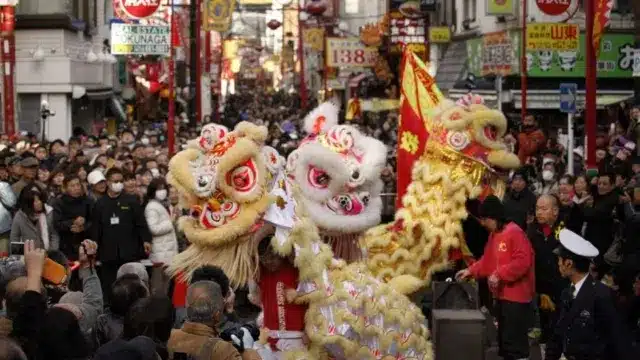
Planning a trip to Japan during the Lunar New Year? This CNY travel guide in Japan reveals that while the festive season is widely celebrated in neighbouring countries, it’s just another regular day for most Japanese people. However, areas like Yokohama’s Chinatown can get lively and crowded with Chinese tourists and travellers from across Asia, though it’s still less busy than Japan’s New Year celebrations.
January offers a unique opportunity for those seeking a quieter and more authentic experience. With the peak holiday season over, many tourist spots, such as Kyoto’s serene temples and Tokyo’s popular attractions, see fewer visitors, making it easier to explore at your own pace. That said, ski resorts in Hokkaido and Nagano may be bustling, as this is the prime season for winter sports. Here’s a look at what the weather will be like and the pros and cons of travelling to Japan during the Lunar New Year.
Weather Overview During Lunar New Year:
- Tokyo: Temperatures typically range from 2°C to 10°C
- Kyoto: Slightly colder conditions, with temperatures ranging from 0°C to 9°C
- Hokkaido: Japan’s northernmost island, temperatures often drop to -10°C to -1°C
Pros:
- Unique cultural events
- Fewer tourists in many regions
- Potential hotel and restaurant deals
Cons:
- Some businesses may close for the holiday
- Certain areas, like Yokohama’s Chinatown, might be crowded
Ultimately, visiting Japan during the Chinese New Year can offer a mix of vibrant celebrations and peaceful escapes, depending on your destination.
Places to Visit During the Chinese New Year in Japan
1. Yokohama Chinatown (Yokohama Chukagai)
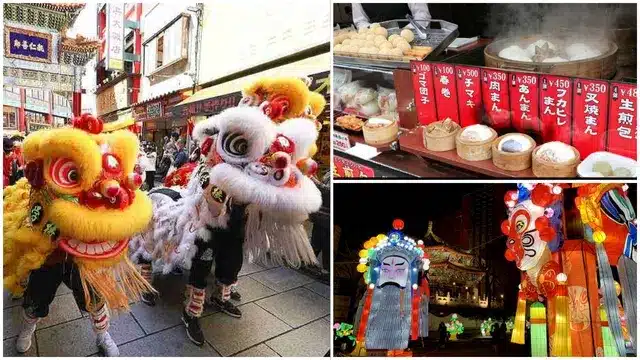
Yokohama Chinatown is a must-visit destination for experiencing vibrant Lunar New Year celebrations in Japan. Conveniently located about 40 minutes from Shibuya via the Tokyu Toyoko Line, it comes alive with traditional festivities.
Expect lion and dragon dances, thrilling musical performances, acrobatics, parades featuring stunning traditional attire, and mesmerising fireworks displays. The streets burst with the sounds of firecrackers, cymbals, drums, and Chinese gongs, creating an electric festive atmosphere. Chinese lions and dragons perform their iconic dances, while live performances of songs, dances, and traditional acts further enrich the celebration.
To top it off, the Spring Festival Illumination lights up the streets with an array of vibrant lanterns, casting a magical glow over the bustling Chinatown.
2. Kobe Chinatown (Nankin-machi)
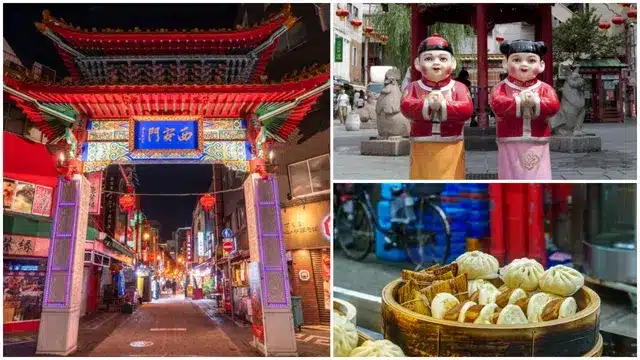
Kobe’s Chinatown, known as “Nankin-machi,” offers its own unique Lunar New Year experience. The district hosts lively events, including captivating live performances, tai chi demonstrations, and the thrilling sound of firecrackers.
Food stalls and shops line the streets, serving mouthwatering Chinese delicacies and offering a variety of goods, making it the perfect spot to enjoy the festive energy while indulging in authentic treats.
3. Nagasaki Chinatown (Shinchi Chukagai)
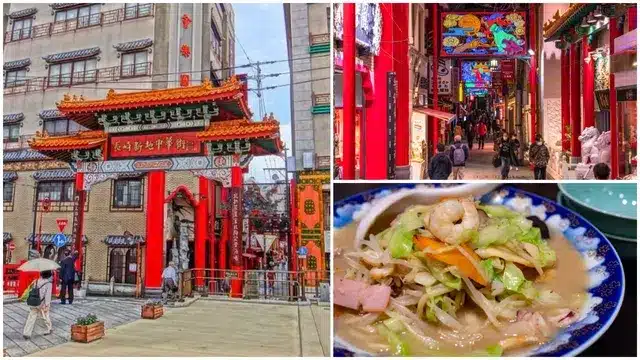
Shinchi Chukagai in Nagasaki is Japan’s oldest Chinatown, established in the 17th century, and it hosts one of the country’s most spectacular Lunar New Year events. The area’s massive Lantern Festival features over 15,000 intricately designed lanterns, ranging from delicate creations to enormous installations shaped like Chinese zodiac animals.
Visitors can wander the illuminated streets, soaking in the enchanting atmosphere, and marvel at the artistry behind the lanterns while enjoying the rich history and cultural charm of Nagasaki’s Chinatown.
4 Festive Food Experiences During the Chinese New Year in Japan
1. Wagashi 和菓子
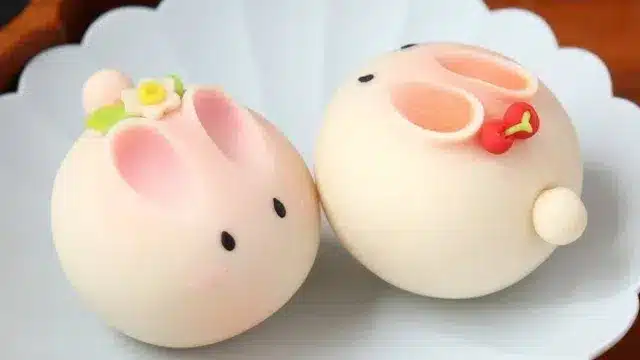
Forget just Chinese New Year cakes—Japan brings its flair with wagashi (traditional Japanese sweets) crafted into the shape of the year’s zodiac animal. These delicate treats, alongside tiny Western-style cakes shaped like the New Year’s animal, are as tasty as they are adorable.
2. Kagami Mochi
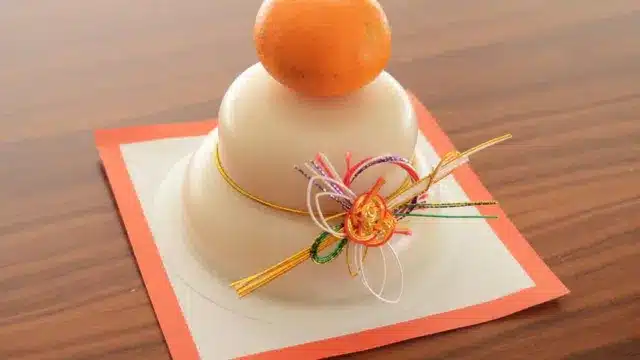
While mochi is enjoyed year-round in Japan, it takes centre stage during New Year celebrations. The iconic kagami mochi, two stacked, round mochi topped with a bitter orange (daidai), is not only decorative but deeply symbolic as an offering for the household’s Shinto altar.
For hands-on fun, check out a mochitsuki taikai (mochi-pounding tournament). Witness the traditional rice-pounding process and enjoy freshly made mochi. Plus, who knows, maybe you’ll snag some good luck too!
3. Kuri Kinton

Say hello to wealth and success with kuri kinton, which translates to “chestnut gold mash.” This golden-hued dish combines candied chestnuts (kuri) and mashed Japanese sweet potatoes (satsumaimo), creating a dessert that’s as rich in symbolism as it is in flavour. Its sunny colour represents prosperity, making it the perfect treat to kick off the year.
4. Toshikoshi Soba
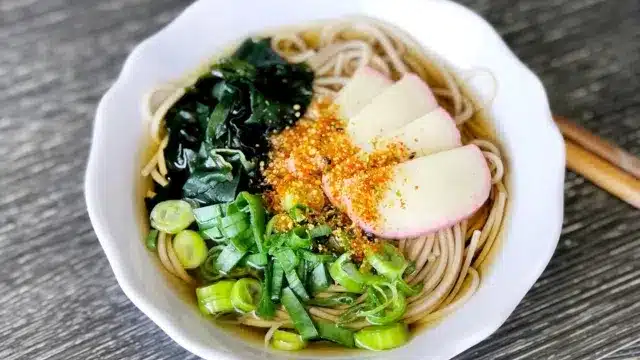
Toshikoshi soba is a savoury New Year’s noodle bowl dish. Typically eaten on New Year’s Eve, toshikoshi soba can be dated back to the Edo Period (1603-1867).
Soba noodles are made from buckwheat, which is what gives them their warm brownish colour. Toshikoshi soba, also called “year-crossing noodle,” is symbolic. The length of the buckwheat noodles represents longevity, while the ease of cutting them signifies shedding any negativity or hardship from the prior year. These soba noodles are prepared simply with hot dashi broth and green onion for a simple meal.
Celebrate Chinese New Year with a Japanese Twist

We hope this CNY travel guide in Japan has provided you with valuable insights for planning your visit. While Japan may not officially celebrate the occasion, you can still enjoy the spirit of renewal and new beginnings by indulging in a rejuvenating experience inspired by Japanese traditions.
If you aren’t flying to Japan this year, you can still achieve a flawless, ‘Angbao Ready’ glow right here in Singapore. Experience the height of Japanese tradition with our Chinese New Year ‘Skin Fix’ Promotion, featuring our signature Geisha Organic Facial. This luxurious treatment uses uguisu no fun (nightingale droppings), a centuries-old beauty secret once used by Geishas and Kabuki actors to brighten and exfoliate the skin. Available alongside our Hydrafacial and Anti-Ageing options for a special festive price of $188+, it is the perfect way to ensure a radiant complexion for your reunion dinners.