


Are you struggling with insomnia or poor sleep quality? A lack of sleep can leave you feeling exhausted, negatively impact your emotional well-being, and disrupt your daily activities. This guide offers traditional Japanese home remedies to help improve your sleep quality and manage insomnia symptoms.
We will explore practical methods to create a peaceful sleeping environment by utilising natural sleep aids and establishing healthy sleep routines. This guide offers comprehensive support for those seeking effective treatments for both short-term and long-term insomnia.
Table of contents
Why Sleep is Crucial for Your Health

Sleep is a fundamental aspect of overall health that goes beyond being just a time for rest. During sleep, your body carries out essential repair work and strengthens the immune system. Getting quality sleep is vital for physical health and emotional well-being.
Key Benefits of Quality Sleep:
- Heart Health: Reduces blood pressure and heart rate, lowering the risk of heart disease.
- Mental Health: Improves emotional balance and reduces symptoms of anxiety and depression.
- Weight Management: Regulates hunger hormones and metabolism.
- Stress Relief: Lowers cortisol levels for a calmer mind.
- Focus and Productivity: Enhances memory and cognitive function.
Understanding the value of sleep helps people develop strategies to improve their sleep.
Key Japanese Principles for Better Sleep
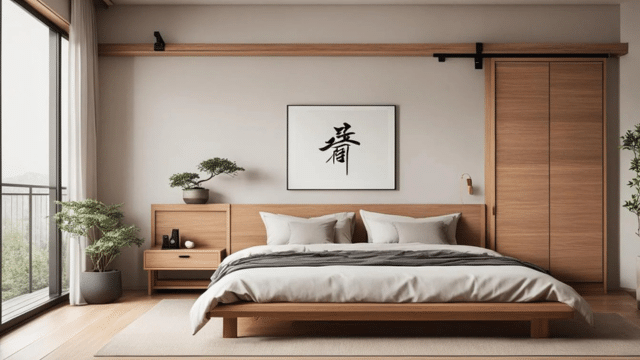
1. Ma (Space & Simplicity)
A clutter-free bedroom promotes mental tranquillity. Allowing natural light to enter and minimising environmental disturbances helps individuals maintain a regular sleep-wake rhythm. This concept, known as “Ma,” emphasises the importance of space and simplicity. Japanese bedrooms feature a minimalist design that fosters a peaceful atmosphere, enabling people to unwind by prioritising essential elements for quality sleep.
2. Wabi-Sabi (Imperfect Beauty)
Wabi-sabi embraces simplicity and imperfection. The process of sleeping involves bedding made from natural materials such as cotton and woven grass, while acknowledging that sleep need not be perfect to provide its healing benefits.
3. Zen (Mindful Rest)
Zen emphasises mindfulness and self-awareness. Individuals who practice Zen sleep preparation meditate and engage in mindful relaxation before bed to help their minds and bodies reach a state conducive to natural sleep.
These principles reflect the mindfulness inherent in Japanese culture and offer practical steps for adoption. Next, let’s explore how these ideas connect with Japan’s broader sleep philosophy.
Japanese Sleep Philosophy and Wellness
Japanese culture views sleep as an essential aspect of maintaining both individual health and balance. The Japanese approach to sleep, which includes simple techniques and mindfulness practices, offers a natural way to improve sleep quality and alleviate insomnia symptoms.
Japanese society is characterised by six distinct cultural practices that shape its sleep habits.
1. Sleeping on a Futon
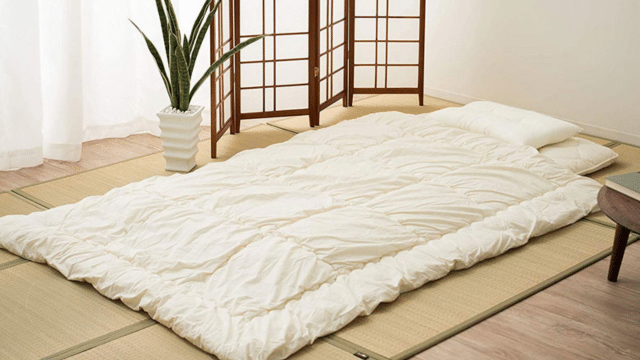
Did you know that many people in Japan recommend sleeping on a futon? This slim mattress can be folded into a compact design, allowing it to function as a floor bed. Futons made from cotton and other natural materials are lightweight, making them easy to store when not in use. For those suffering from back pain, sleeping on a futon can be an effective solution. It promotes proper spine alignment, resulting in improved sleep quality.
2. Cool Sleep Environments
In Japan, many residents prefer to sleep in cooler conditions than what is typically considered normal. To achieve optimal sleep, it’s recommended to maintain a room temperature between 15 and 20 degrees Celsius (59 to 68 degrees Fahrenheit). This range can help create the ideal sleep environment for you!
3. Minimalist Bedrooms

Japanese culture emphasises peacefulness and calm, which people use to create their ideal sleeping spaces. You can enhance your sleep quality by incorporating elements of a traditional Japanese bedroom, known for its minimalist design that fosters tranquillity. By creating a spacious environment free of unnecessary items, you can make your home a serene sanctuary. Here are some key elements to consider:
- Futons: These lightweight, foldable mattresses are perfect for you. The storage solution lets you keep these items when they are not in use, freeing up space.
- Shoji Screens: These screens provide privacy through their attractive design while allowing sunlight to enter the space.
- Tatami Mats: Stepping onto these natural mats creates a serene atmosphere because their surface texture enhances your bedroom space.
- Built-in Storage: You can maintain a tidy space with smart storage solutions that create an environment that supports relaxation.
4. Pre-Sleep Rituals
Many residents of Japan have unique bedtime routines that help them relax and fall asleep more quickly. Taking a warm bath or shower is an effective way to relax your muscles and create a peaceful state of mind. Incorporating yoga and meditation into your routine can also help you achieve mental clarity before sleep. Additionally, drinking a warm cup of chamomile tea is an excellent signal to your body, helping it relax.
5. Aromatherapy and Relaxation Tools
Essential oils, such as soothing lavender oil, are effective relaxation tools that can improve sleep quality. In Japan, people have mastered the art of using aromatherapy and sound machines to create an ideal bedtime environment. These small additions contribute to a tranquil atmosphere, allowing individuals to experience restorative sleep. These practices highlight how Japanese sleep methods are influenced by cultural beliefs and traditional values, resulting in a unique approach to achieving quality rest that differs from practices in other countries.
6. Onsen Therapy
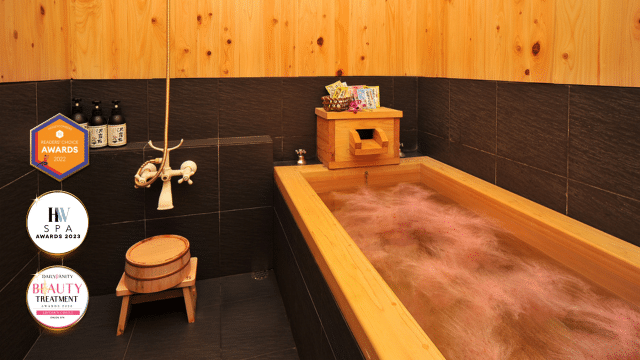
The tradition of onsen hot springs in Japan is designed to help people relax through warm water baths. A soothing soak can help your body unwind and prepare you for a deep, restful night’s sleep. At Ikeda Spa, you can enjoy this wonderful practice in our Hinoki Onsen Bath. The space offers a tranquil environment where the aroma of Hinoki wood combines with warm water to create a stress-relieving experience. This simple yet effective practice allows you to achieve the same level of relaxation as traditional onsen baths, making it an excellent way to ease tension and find mental peace before bed. So why not treat yourself to a calming onsen experience?
At-Home Insomnia Remedies
Use these DIY natural remedies to combat insomnia at home.
1. Establish a Sleep Schedule

Maintaining consistent bedtimes and wake times helps people develop better sleep patterns. This regularity allows their body clocks to reach optimal balance, leading to improved sleep quality. Practising this habit regularly can enhance mood and boost energy levels by promoting hormonal balance.
2. Maintain Good Sleep Hygiene
Transform your bedroom into a tranquil sanctuary by reducing disruptive noise and light. For optimal sleep, it’s important to maintain a comfortable, cool temperature, as this promotes better rest. A dark, orderly, and warm space is essential for relaxation, so consider investing in blackout curtains to prevent blue light from entering your room.
3. Avoid Caffeine and Alcohol Before Bedtime
Excessive caffeine activates the central nervous system, making it difficult to fall asleep and disrupting slow-wave sleep, which is essential for the body’s recovery. Similarly, while alcohol may initially make you drowsy, it can lead to disruptions in the sleep cycle throughout the night. This results in multiple awakenings, causing you to wake up frequently.
4. Dietary Supplements for Insomnia
You might consider trying melatonin supplements or natural sleep aids, such as chamomile tea, to help you relax. Melatonin acts as a regulator of the sleep-wake cycle, benefiting those who experience insomnia or jet lag symptoms. The sleep-inducing effects of chamomile tea stem from its apigenin content, which can help individuals fall asleep more quickly and achieve better sleep. Both options are generally safe for short-term use, but it’s advisable to consult your healthcare provider for personalised guidance.
5. Regular Exercise
Regular physical exercise can enhance sleep quality. Activities such as walking, swimming, and cycling are aerobic workouts that help individuals fall asleep more quickly and increase the duration of deep sleep, which contributes to the body’s healing processes. However, it’s important to avoid intense exercise in the two to three hours leading up to bedtime, as this can raise the heart rate and make it difficult to fall asleep. The best approach is to establish a regular exercise routine that includes morning or early-afternoon sessions to promote better sleep.
The remedies create a comprehensive system that addresses insomnia. Practising breathing exercises effectively enhances relaxation and lowers stress levels.
Relaxing Breathing Exercises to Fall Asleep Faster

Taking slow, deep breaths is one of the simplest ways to activate your body’s natural relaxation response. Practising deep breathing for just 10 breaths can help slow your breathing and promote relaxation. Below is a list of various breathing techniques you can use for practice.
- Diaphragmatic Breathing
- Lie down and place one hand on your chest and the other on your stomach.
- Breathe deeply through your nose, ensuring your stomach rises.
- Exhale slowly while keeping your chest still.
- 4-7-8 Breathing Technique
- Inhale through your nose for 4 seconds.
- Hold your breath for 7 seconds.
- Exhale through your mouth for 8 seconds, making a soft sound like blowing out a candle.
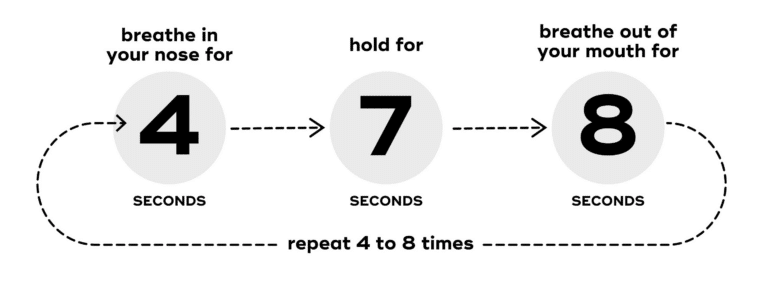
Practising these techniques calms the mind and prepares your body for sleep. As you incorporate these exercises, consider additional methods to achieve the deepest, most restful sleep possible.
Bonus Tips for Insomnia Treatment at Home
1. Avoid Taking Naps
To achieve optimal refreshment, people should limit daytime naps to thirty to forty-five minutes. It is important to avoid napping in the evening to maintain a regular sleep schedule.
2. Avoid Clock-Watching

Individuals who have difficulty sleeping should refrain from checking the time while in bed. This habit can increase anxiety levels, making it harder to fall asleep. Instead, it is advisable to get out of bed and listen to soothing music, which can also be explored further through reading. Additionally, people should avoid engaging in stimulating activities such as watching television or browsing the internet, as these can disrupt relaxation and hinder sleep.
3. Keep a Sleep Diary
To improve your sleep, it’s important to first understand your current sleep habits. Start by keeping a record of your bedtime, wake time, total hours of sleep, and any disruptions you experience during the night. Additionally, track your daily activities, caffeine and alcohol intake, and how sleepy you feel during the day. This process will help you identify patterns in your sleep, revealing the quality of your rest and allowing you to make adjustments to enhance your sleep experience.
To enhance your journey towards restful nights, we invite you to try our newly launched Japanese KEIRAKU Head Massage at Ikeda Spa. This traditional Japanese therapy offers a solution for busy individuals struggling with sleep deprivation by promoting deep relaxation. It effectively reduces tension, headaches, and fatigue.
This treatment not only improves focus and concentration but also enhances overall quality of life by addressing the root causes of sleep issues. Better sleep supports the body’s full restoration. By prioritising restful sleep, you can enjoy the numerous health benefits that come from a good night’s rest.