
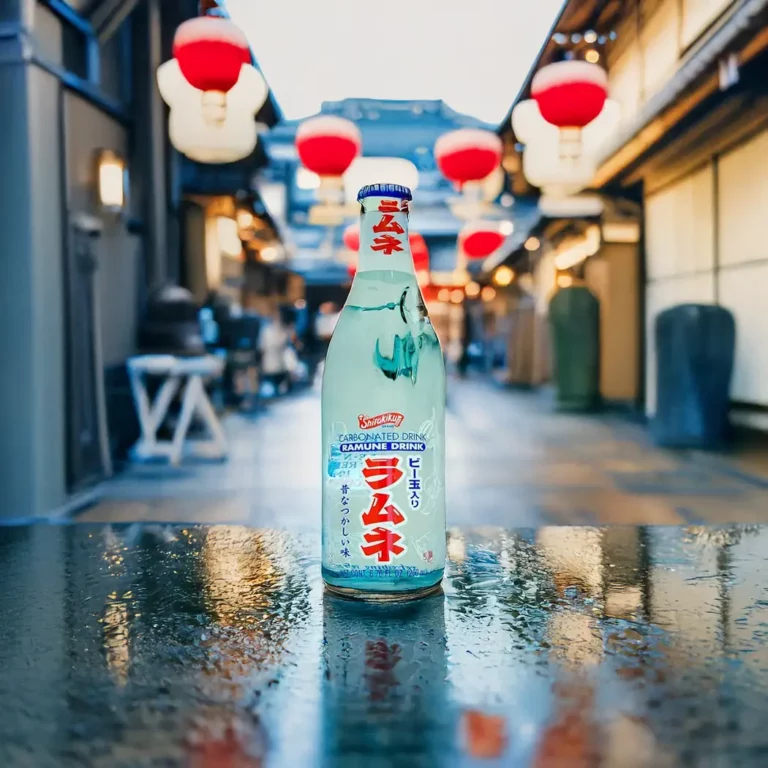
If you wander through the streets of Japan during summer, you will notice that one drink appears almost everywhere. From the matsuri (summer festivals) to stalls on the beach, and even in convenience stores and vending machines, one bottle stands out among the rest: Ramune.
Ramune Soda is more than just another drink to grab and go. It is a ritual to enjoy. The soft drink comes in a Codd-neck bottle, which requires the consumer to interact with it before they can have a sip of the refreshing beverage. From the pop of the marble inside the bottle to the soda associated with Japanese summers, Ramune has become a global symbol of Japanese culture.
In this article, you will discover the history of this beloved drink, its engineering, and why it is considered one of today’s pop culture icons.
Table of Contents
A Sip of History: The Evolution of “Japanese Lemonade”
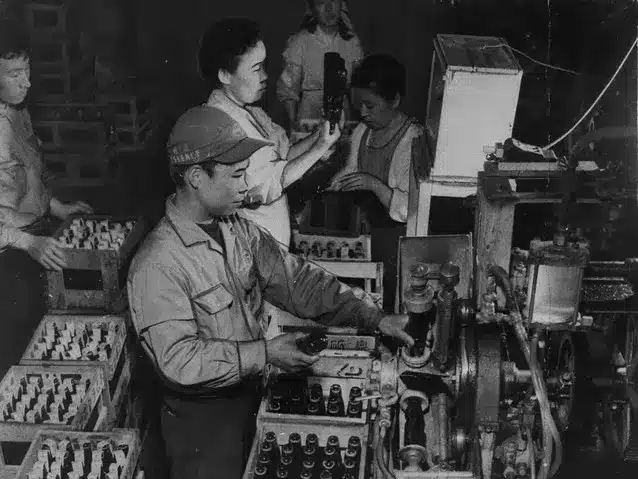
Carbonated lemonade is generally believed to have first reached Japan in the year 1853, during the visit of Commodore Perry’s fleet to Uraga. It is said that the crew served this beverage to the officials of the Tokugawa shogunate. Additionally, the production of this beverage began in Nagasaki in 1865. Furthermore, a Scottish pharmacist named Alexander Cameron Sim produced and sold a popular carbonated lemonade drink in Kobe during the Meiji period.
Over time, the drink transformed from a Western beverage into one that is strongly associated with the summers and festivals of Japan. It also evokes a sense of nostalgia among the Japanese people. Ramune lemonade is one of the most recognisable traditional soft drinks produced in Japan.
The Fascinating Story Behind the Name “Ramune”
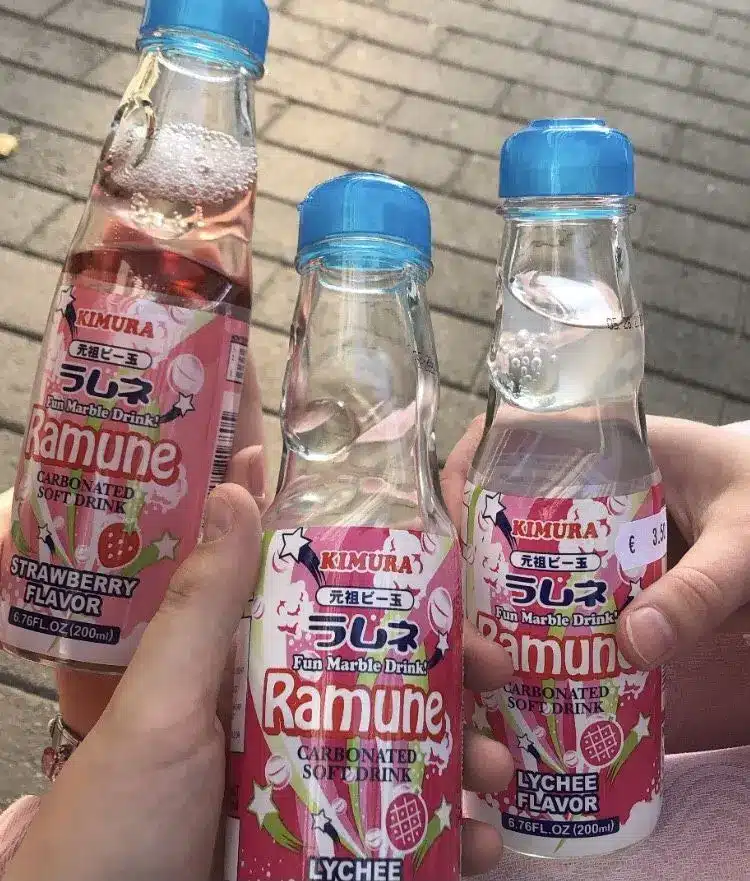
The name Ramune is derived from the Japanese pronunciation of the English word “lemonade”. The combination of the two languages resulted in the word “RA-MU-NE” (ラムネ).
While the marble-stoppered bottles of Ramune are well-known today, the earliest versions of carbonated lemonade were sold in cork-stoppered bottles. The marble-stoppered bottles were imported from Britain into Japan in 1887 and became a defining feature of the Ramune brand.
The Genius Behind Ramune’s Marble Design
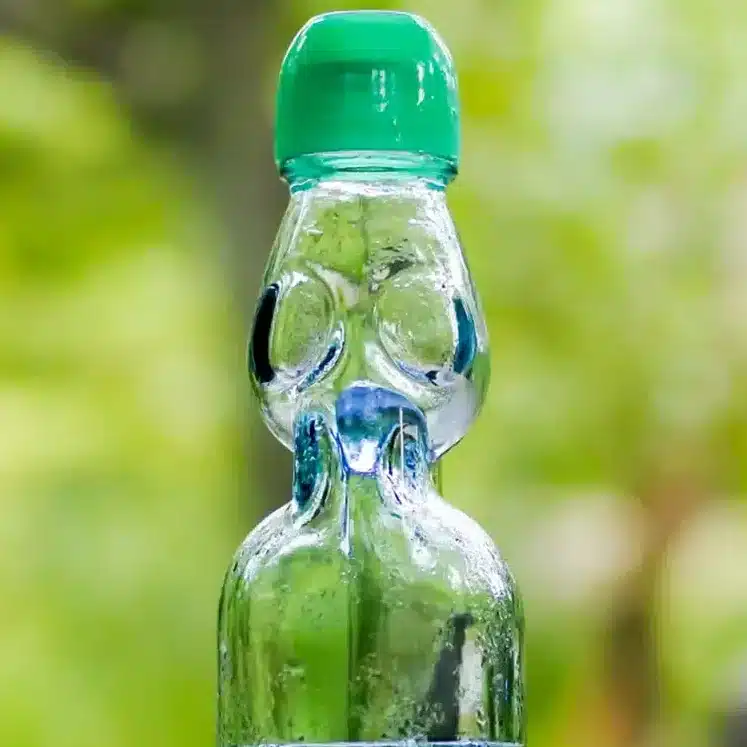
What makes Ramune instantly recognisable to most people is the use of the Codd-neck bottle. This type of bottle was invented by British engineer Hiram Codd in the 19th century. Rather than using a screw cap to close the bottle, a glass marble is used. The pressure of the carbonation inside the bottle pushes the marble against a rubber sealing ring, creating a seal that keeps the carbonation inside the bottle.
So how does the marble not block the flow of the drink once the seal is broken? Near the neck of the bottle are two small indentations that allow the marble to remain in place while the drink is poured from the bottle.
The design of the Codd-neck bottle is simple yet ingenious and has allowed Ramune to remain fizzy for more than 100 years.
Beyond its ingenious design, the Codd-neck bottle is an essential part of the Ramune brand. The sound of the marble popping into place and clinking against the glass bottle is a nostalgic sound of a Japanese summer.
How to Open a Ramune Bottle Without It Exploding
Unlike ordinary bottles of fizzy drinks, opening a bottle of Ramune is an integral part of the fun. If it is the first time that you are going to take a sip of this refreshing Japanese soda, it may take a while to get the hang of using the plastic plunger that comes with the bottle. The marble in the bottle is what makes Ramune so different from other soft drinks.
Here is a step-by-step guide to opening a bottle of Ramune like a pro:
Step 1: Remove the plastic seal
First, remove the plastic seal that is around the bottle cap.
Step 2: Remove the plastic assembly
Inside the bottle cap is a small plastic plunger that can be used to open the bottle.
Step 3: Push the marble down
Use the plunger to push the marble down into the bottle. You will hear a “pop” sound as the marble drops into the bottle.
Step 4: Hold For A Few Seconds
Hold the plunger down into the bottle for five to six seconds to allow the carbon dioxide gas inside the bottle to settle.
That’s it! In just four simple steps, you will be ready to enjoy the soda. As you take each sip of Ramune, listen to the marble as it strikes the bottle. It is one of the most iconic parts of the Ramune experience.
Exploring Ramune’s Exciting Flavours
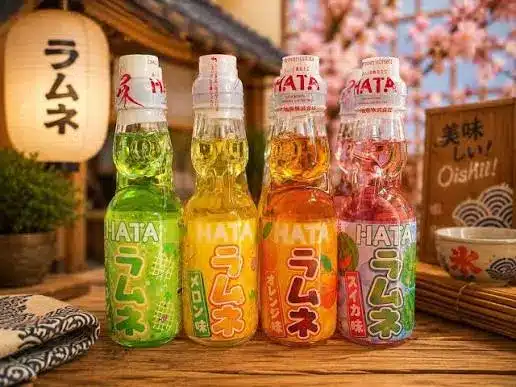
While the original Ramune flavour is still considered the classic choice by many, Japanese producers have always been willing to experiment with the brand and its flavours. Today, a variety of Ramune flavours can be found in Japan, produced by popular brands such as HATA KOSEN. Some of the most popular flavours include melon, strawberry, lychee, yuzu, grape, and blue raspberry. In addition to these standard flavours, there are also limited edition Ramune flavours that can only be found in Japan.
But this popular brand of soda has gone beyond just the beverage itself.
The flavour of Ramune has inspired the production of a range of Japanese sweets. Almost every supermarket in Japan, including the famous Don Quijote stores, stocks Ramune-flavoured desserts. These include sweets, gummies, chewing gum, jelly cups, ice creams, syrup for shaved ice, chocolates, and mochi. The flavour is so popular that it is considered its own category of sweets in Japan.
Where Can You Find Ramune in Singapore?
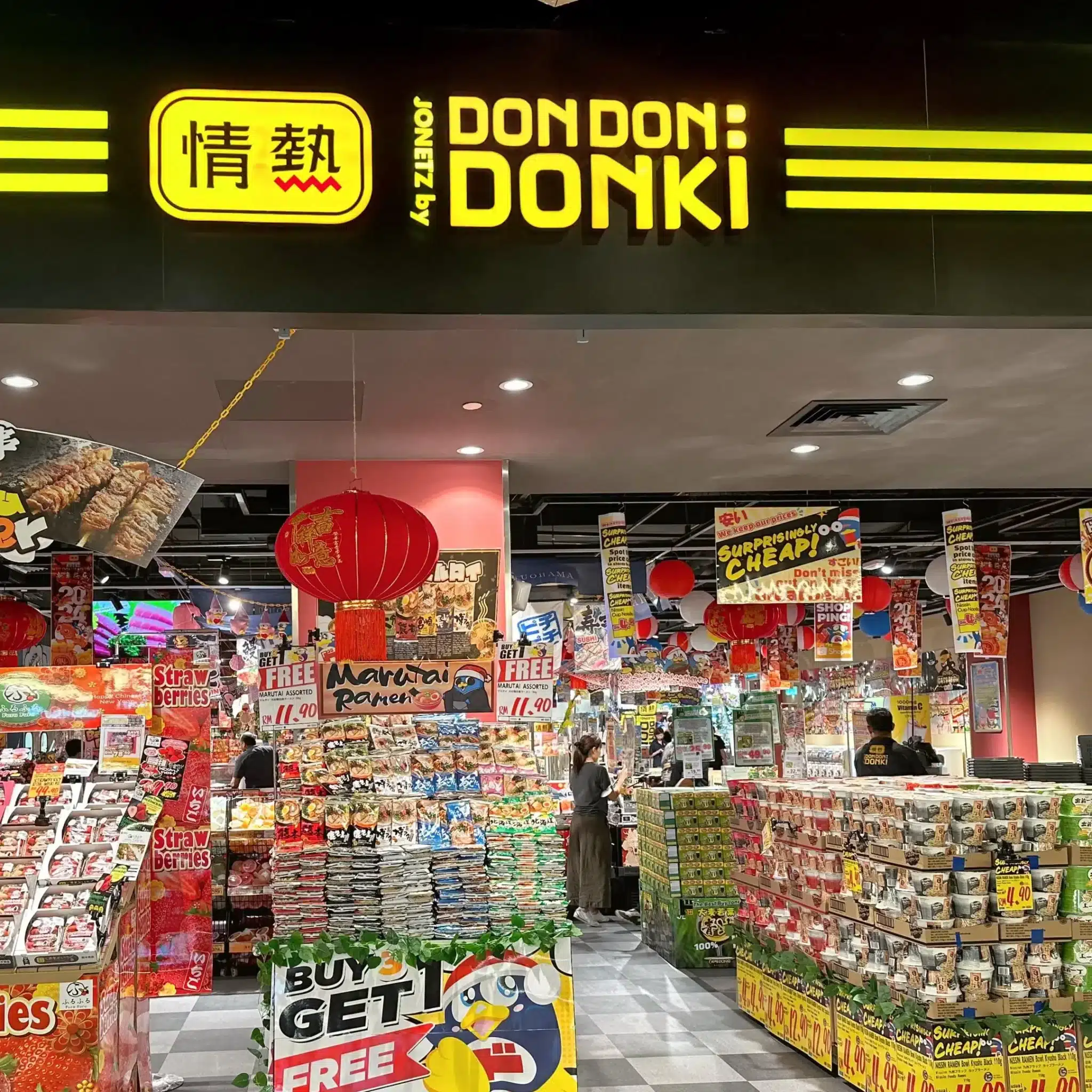

The good news is that you do not need to fly to Japan to enjoy an authentic bottle of Ramune. This beloved Japanese soft drink is widely available across Singapore. You can find it in Japanese supermarkets such as DON DON DONKI and MEIDI-YA, as well as certain speciality grocery stores. Depending on the outlet, you will find both the original flavour as well as fruity alternatives like melon, strawberry, grape and yuzu.
You can also purchase Ramune from online marketplaces. This will allow you to have Japan’s favourite summer drink delivered directly to your home. Whether you want to purchase a bottle for a Japanese-themed party, to complement your favourite street food, or to simply satisfy your curiosity, enjoying the refreshing taste of Ramune could not be more convenient.
What Foods Pair Best With Ramune?
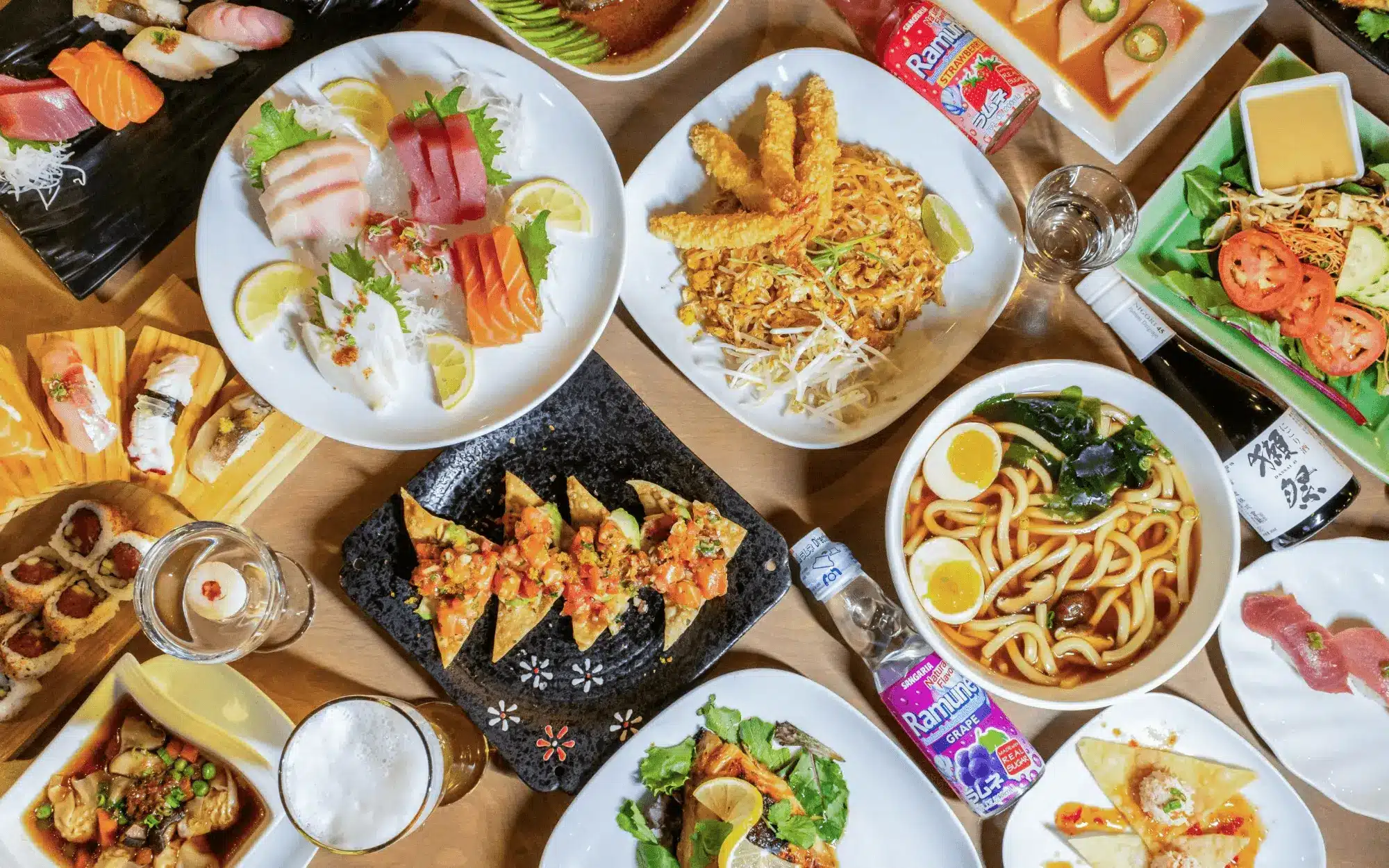
Ramune soda might be refreshing on its own, but it truly comes into its own when paired with the right food. The carbonation and citrus flavour of Ramune make it an excellent palate cleanser, ensuring that it is the perfect drink to accompany Japan’s famous street food. Whether you are craving something savoury, sweet, or freshly grilled, there is a Ramune soda pairing for every type of bite.
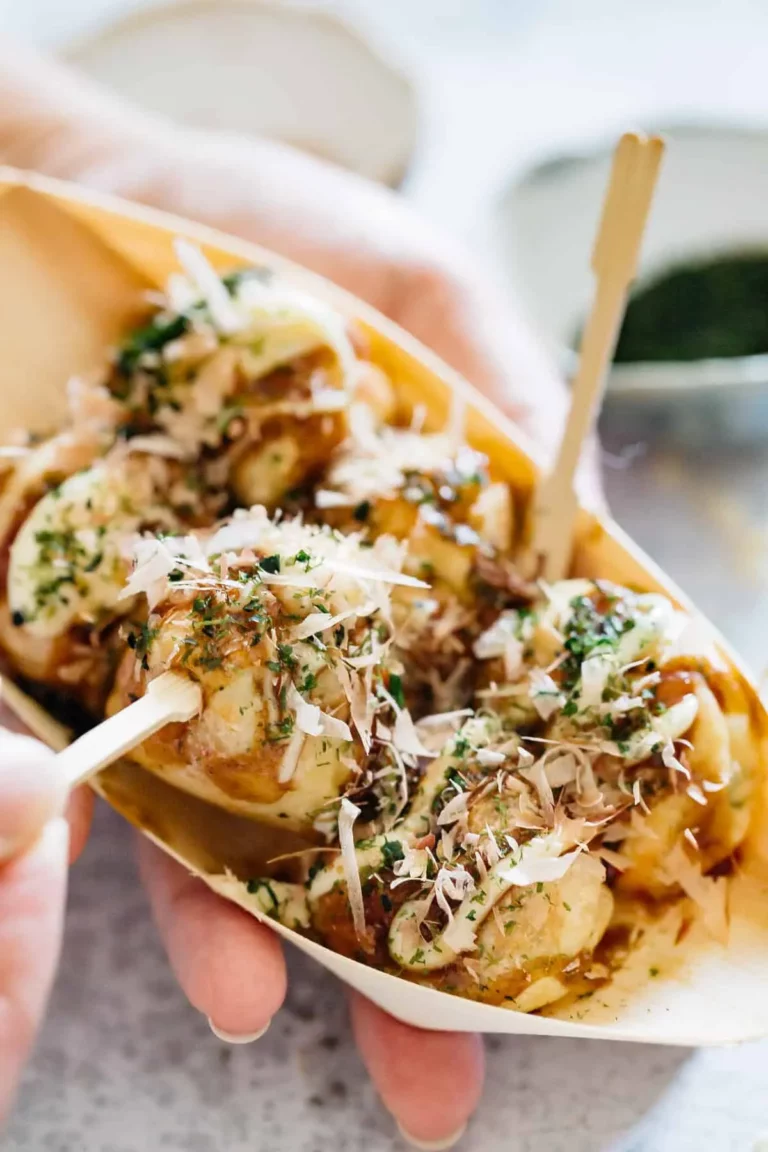
Takoyaki (Octopus Balls)
Freshly made takoyaki goes perfectly with an ice-cold bottle of Ramune. Takoyaki is known for its crisp exterior and piping-hot, creamy centre. The octopus balls are typically topped with takoyaki sauce, Japanese mayonnaise, bonito flakes and seaweed. The carbonation and citrus flavour of Ramune cut through the rich and creamy flavours of takoyaki and refresh the palate.
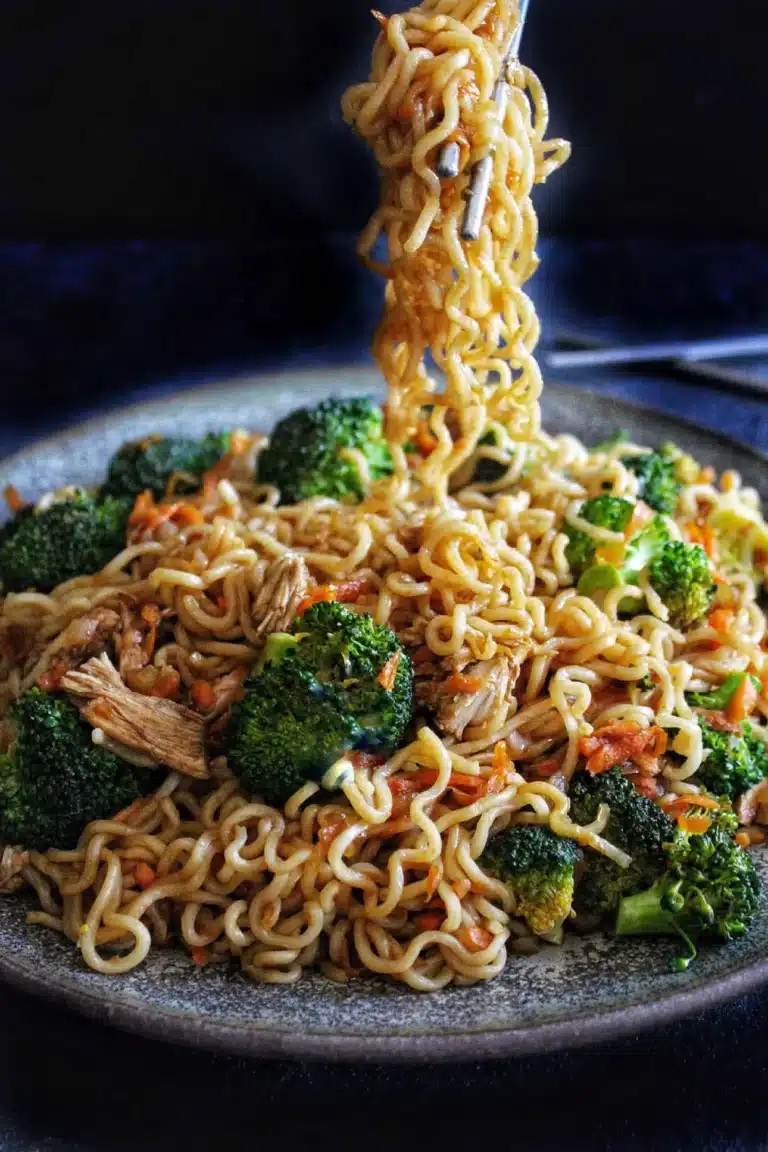
Yakisoba (Japanese Fried Noodles)
Another classic pairing is yakisoba, a popular festival favourite that consists of stir-fried noodles with vegetables, meat, and a sweet-savoury sauce that resembles Worcestershire sauce. The noodles carry a number of umami flavours that can feel quite hearty, especially on a hot summer day. Ramune, with its bubbles and refreshing citrus notes, provides the perfect contrast to the richness of the yakisoba sauce. Therefore, it is an ideal drink to enjoy with this classic Japanese street food.
Top 3 Japanese Summer Festivals to Experience with a Ramune in Hand
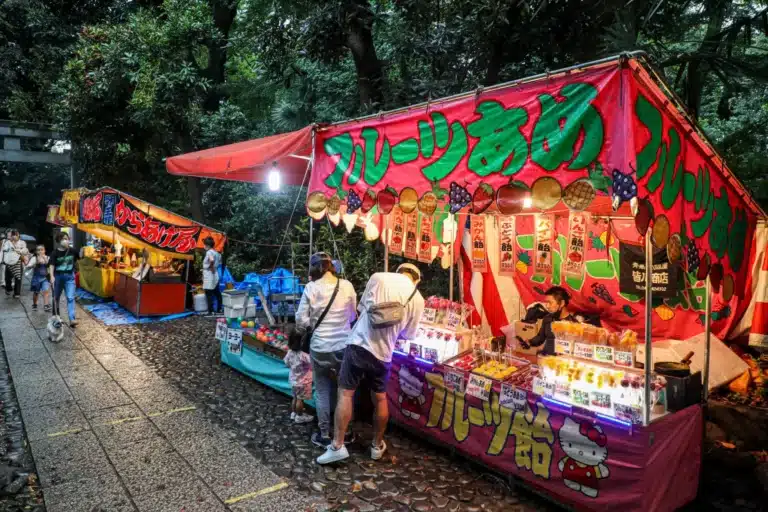
For those eager to experience the authentic magic of sipping a cold Ramune while basking in the electric atmosphere of a Japanese summer, timing is everything. Japan’s summer season in July and August is filled with matsuri (festivals) that bring the country to life, complete with fireworks, traditional dances, and countless yatai (food stalls).
Here are three festivals that belong on every bucket list:
1. Tenjin Matsuri (Osaka)
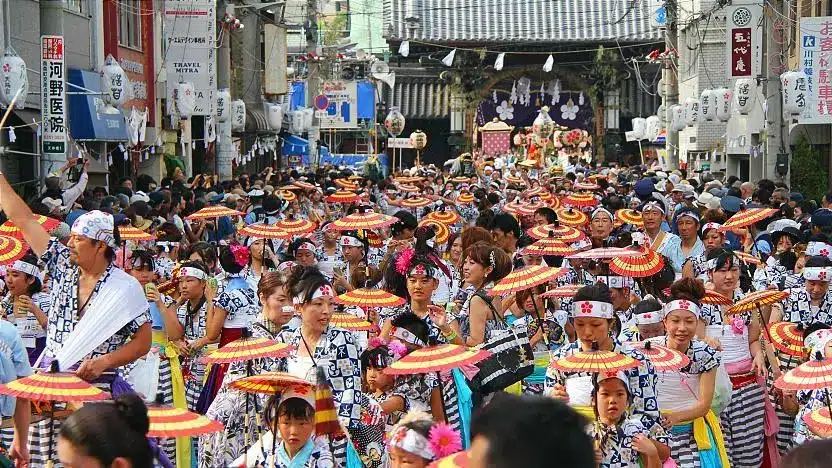
When: 24 and 25 July 2026
Ranked as one of the top three festivals held in Japan, the Tenjin Matsuri in Osaka has a history that dates back over 1,000 years. Some of the highlights of this festival include the procession of illuminated boats that travel along the Okawa River in the evening, as well as the spectacular fireworks that light up the sky during this display. Along the banks of the river, there are numerous food stalls where visitors can enjoy popular local treats such as Ramune and takoyaki while taking in the beautiful views of the river.
2. Aomori Nebuta Matsuri (Aomori)
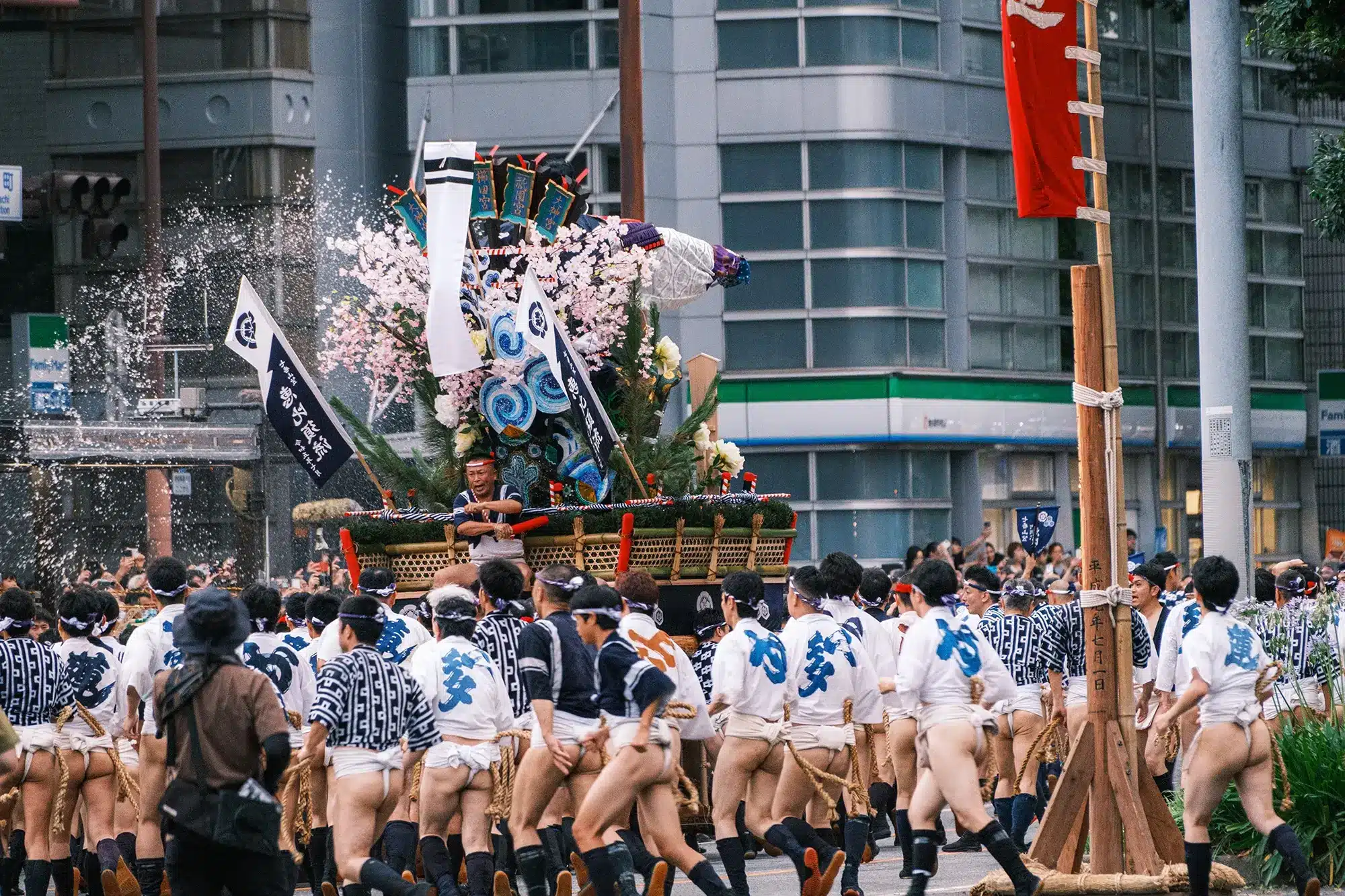
When: 2 to 7 August 2026
Those in search of pure spectacle will want to make their way to the northern city of Aomori. During the Aomori Nebuta Matsuri, massive, brightly coloured floats made of washi paper and depicting mythical gods and historical warriors take to the streets in a spectacular display of Japanese cultural heritage and artistry.
3. Awa Odori (Tokushima)

When: 12 to 15 August 2026
Known as the “Fool’s Dance”, Awa Odori is the largest traditional dance festival in Japan, attracting nearly one million people to the streets of Tokushima from all over the country. The city becomes a massive celebration of the dance. While watching the street dancers, visitors sport their summer yukata and sip on the cooling Ramune soda that is popular during the summer months in Japan.
Frequently Asked Questions about Ramune
What is special about Ramune soda?
Ramune soda is special because it comes in a Codd-neck bottle that is sealed with a glass marble instead of a cap. To open the bottle, you press the marble down into the bottle, creating a satisfying pop sound. As you drink the soda, the marble clinks against the glass, providing a fun and engaging drinking experience.
Is Ramune healthier than regular soda?
Ramune is a sweetened, carbonated soft drink. Its ingredients include carbonated water, sugar, and flavourings. The sugar content varies according to the brand, flavour, and bottle size. Therefore, it is advised to check the nutritional information on individual products before consuming them. Ramune can be enjoyed as an occasional treat, but it should not be considered healthier than other soft drinks.
What does Ramune taste like?
The original flavour of Ramune is best described as a Japanese lemonade. It has a sweet and crisp lemon-lime flavour that is comparable to sodas like Sprite or 7UP. However, some people find it smoother and sweeter, with some deeming the flavour reminiscent of bubblegum.
Can you take the marble out of the bottle?
Whether you can remove the marble from a Ramune bottle depends upon the design of the bottle. Some glass Ramune bottles use a screw-off neck assembly into which the marble can be removed after enjoying the drink. Other bottles feature a press-fit cap that cannot be safely removed. To avoid damaging the bottle or encountering any other issues, it is best to follow the manufacturer’s instructions and avoid forcing the cap off.
What happens if I lose the plastic plunger to open it?
Opening a Ramune soda without the plastic plunger is very difficult. It is not recommended at all. Do not use a chopstick, pen or any other object to try to open the bottle. It will slip, damage the bottle and spray the soda everywhere. Always keep the plunger around until the bottle has been opened.
Does Ramune contain alcohol?
No, Ramune does not contain alcohol. It is a non-alcoholic carbonated soft drink that is consumed by both children and adults. It is especially popular during summer festivals in Japan.
Can young children drink Ramune safely?
It is safe for young children to consume Ramune with adult supervision. The adult should open the bottle for the child and take care to keep the plunger and other packaging out of reach of young children. Additionally, the removable neck assembly of the bottle should remain attached to the bottle while the child is drinking. Always follow the manufacturer’s instructions when offering the Ramune beverage to young children.
How long does Ramune stay fizzy after opening?
Since the bottle cannot be resealed after the marble has been pushed down, Ramune is best consumed soon after opening. Like other carbonated drinks, it will lose its fizz over time. For the best experience, drink Ramune while it is cold and freshly opened.
Can I put Ramune in the freezer to make it extra cold?
Do not put a glass Ramune bottle into the freezer! When a carbonated drink like Ramune is placed into the freezer, the liquid will expand and may cause the bottle to crack or even shatter. Instead, chill your Ramune bottle in the refrigerator or place it in a bucket of ice and water to keep it extra cold.
Missing Out on Japan This Summer? Celebrate in Singapore!

You do not have to fly to Osaka or Aomori to experience the refreshing atmosphere of a Japanese summer.
If Singapore’s heat has you craving a cool escape, we have transformed the nostalgic joy of Japan’s favourite summer soft drink into a luxurious full-body wellness experience.
Introducing the limited-edition Japanese Soda Ramune Summer Spa Promotion!
Designed to offer an escape from the heat and humidity of Singapore, this limited-edition spa package features a cooling Ramune Onsen Bath. The bath salts have been infused with premium ingredients to recreate the refreshing scent of Japan’s favourite summer soft drink.
Following the cooling bath, individuals will receive an exfoliating Seaweed Body Scrub and a relaxing Macadamia Oil Aromatherapy Massage. To complete the summer festival-inspired spa experience, every guest will receive a complimentary bottle of authentic Ramune soda and Adenishiki Japanese Nuts, in collaboration with Camel Nuts, to enjoy after their relaxing treatment.
This limited edition spa escape is available only until 31 August 2026.