
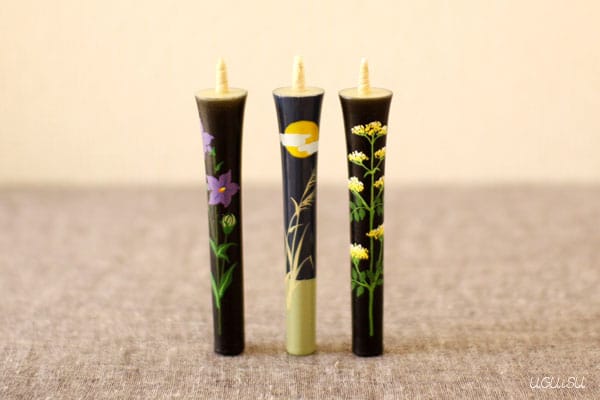
Japanese candles, or Warosoku, are very different from regular Western candles. People often confuse the two because of their similar attributes. Some Japanese candles are easy to distinguish from other typical candles because of their distinctive shapes, such as the Ikari-gata.
Haze Wax
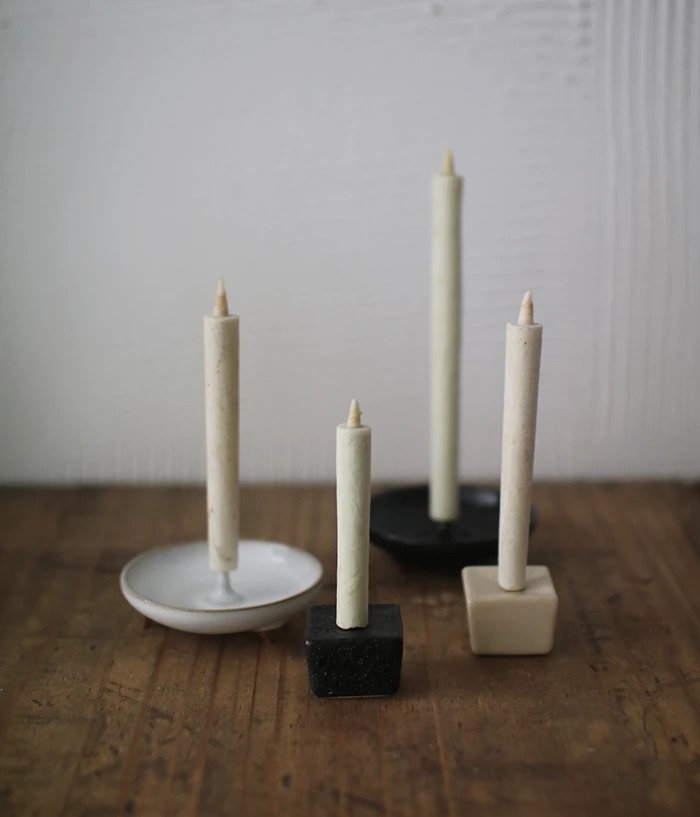
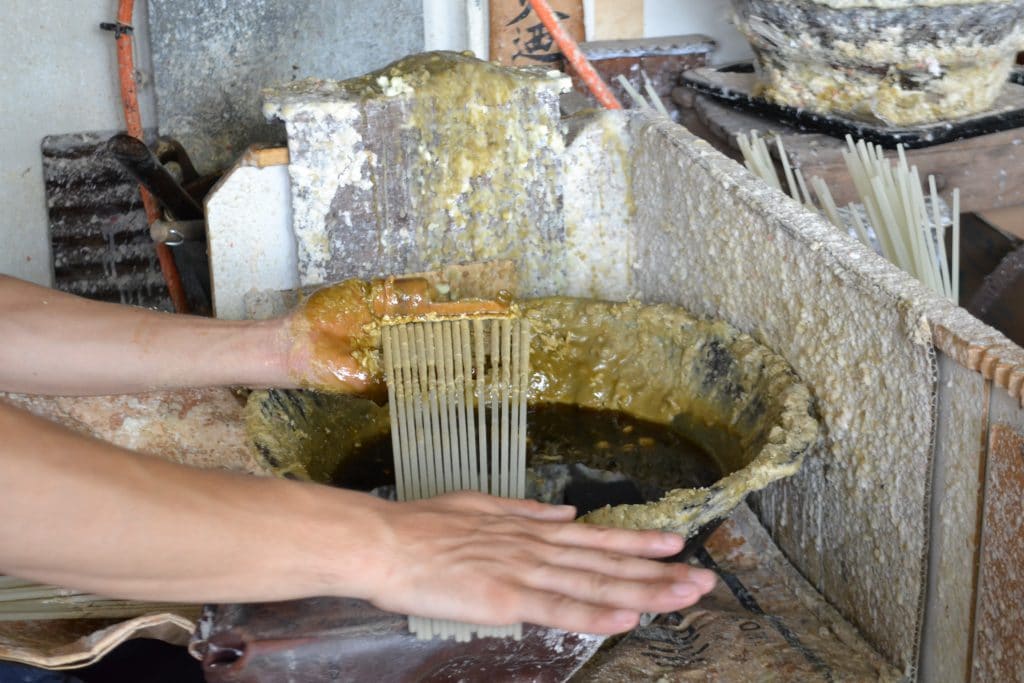
A common plant source is haze wax, derived from haze trees. Their berries are crushed, steamed, and squeezed to extract the wax. An artisan can dip his bare hands into melted haze wax during the candle-making process because of its low melting point.
Rice Bran Wax
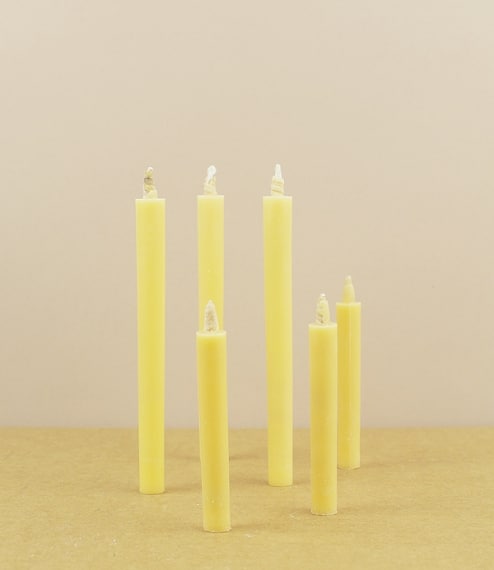
Rice bran wax is obtained through winterisation or cold press of rice bran oil. This process yields a hard and yellow wax with a high melting point. Japanese candles made from this feel silky and non-tacky to the touch.
Palm Wax
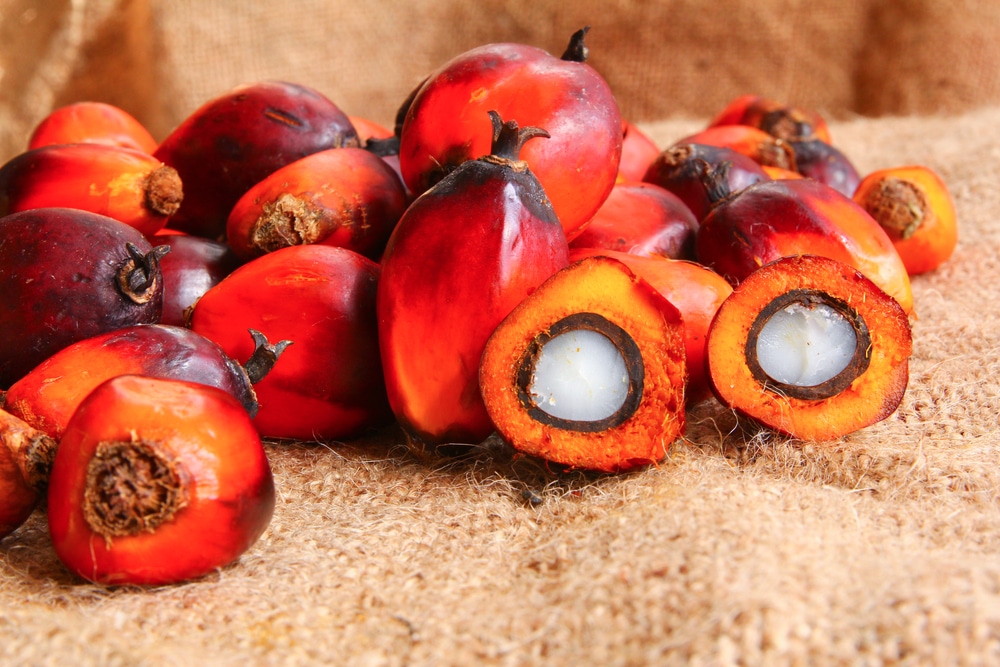
Warosoku is sometimes made from palm wax, which is extracted from palm fruits. These candles produce less soot than Western candles made from paraffin wax. In addition, palm-based candles have a longer burning time.
Soy Wax
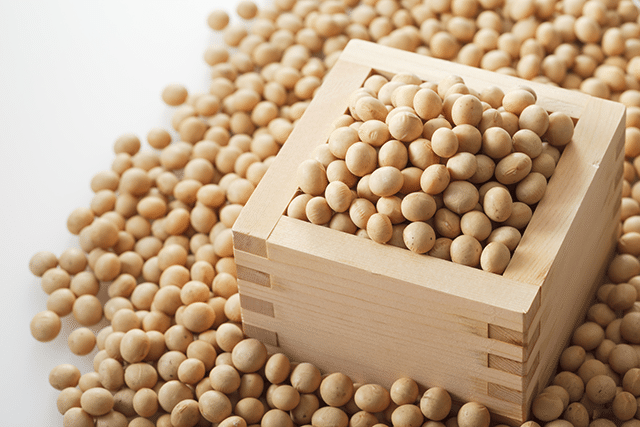
Another plant source is soybeans. Japanese candles made with soy wax burn slowly at a low temperature and are ideal for use as aroma candles. It also doubles as a relaxing massage oil! Soy wax is a natural moisturiser, and people have created their own candles to test it on their skin. They are usually burnt for 10 to 20 minutes and then cooled before the skin is dipped inside. Because of its low melting point, it feels like warm silk on the skin. Furthermore, aromatherapy massages have combined this nourishing elixir with essential oils to invigorate the senses.
How Are Japanese Candles Made?
Making the wick
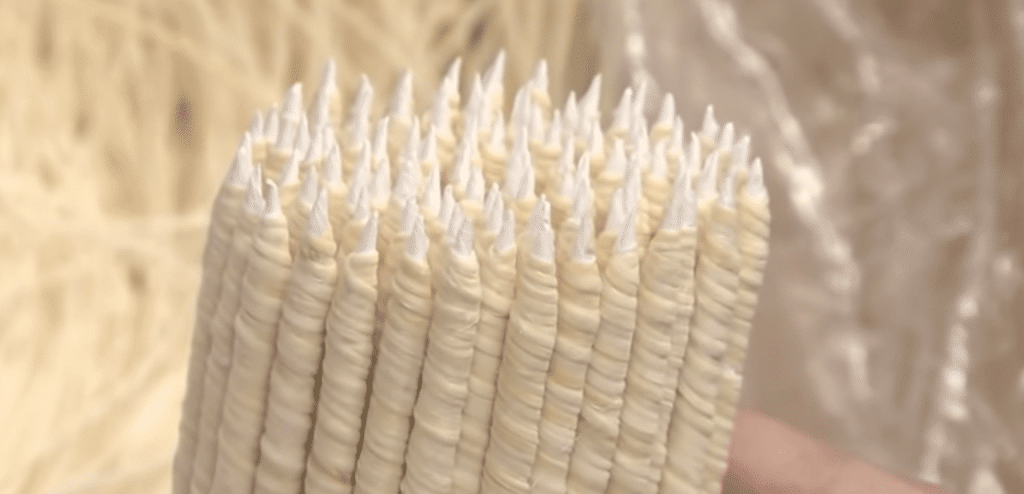
The Japanese candle wick is thicker and more rigid than the Western one. The candle maker uses a long piece of Japanese paper, or washi, and wraps it around a stick.
Making the Japanese candles
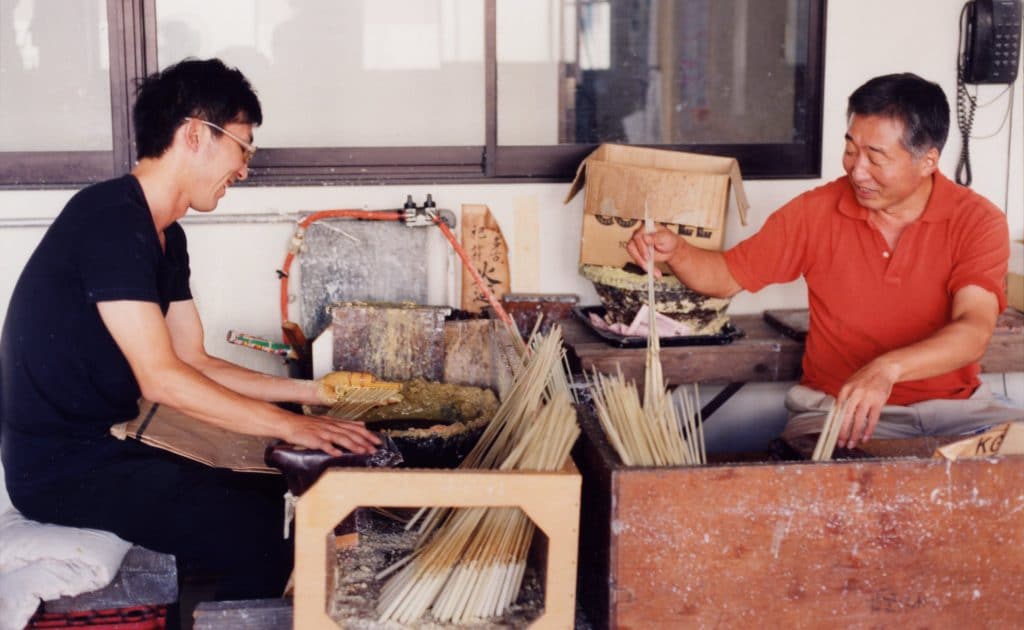
Next, in a process called Shitagake, the wicks are coated with wax by hand. By now, the wax temperature is 46 degrees Celsius, allowing the candle maker to handle it by hand.
Finishing process
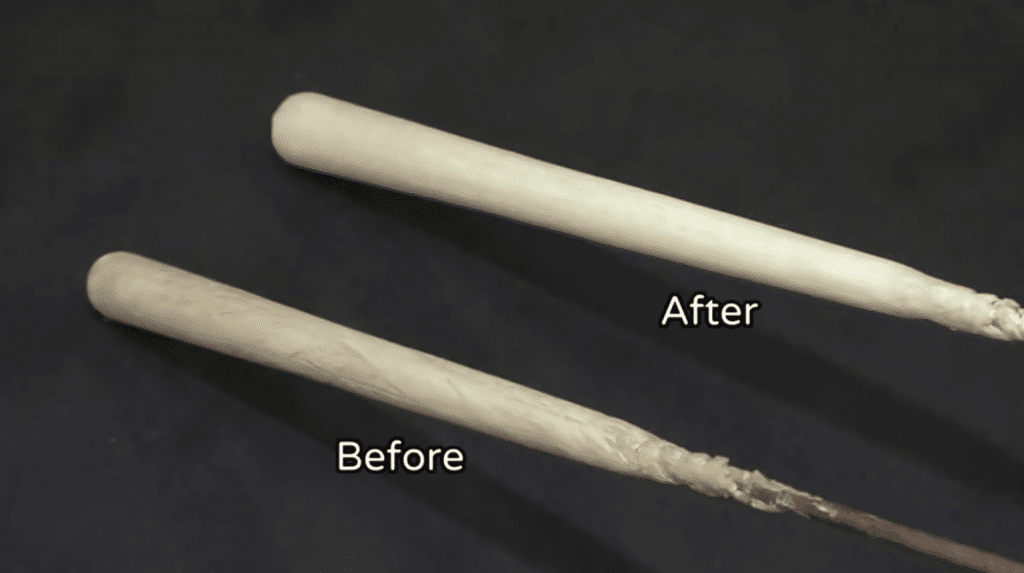
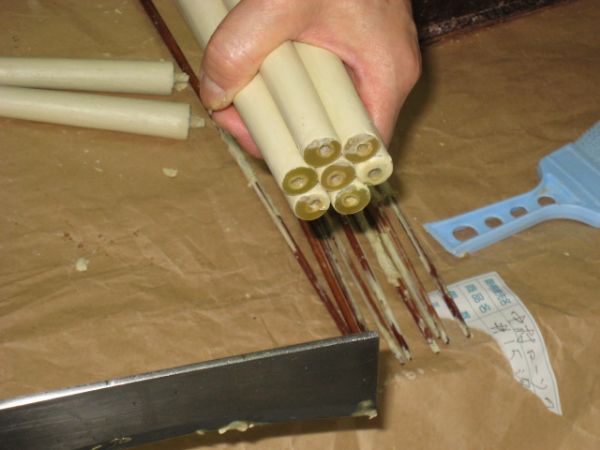
The candle maker scrapes the ends to expose the wicks. The wooden sticks that hold the wax together are also removed. Lastly, the candles are cut to their desired lengths.