

The Japanese tea ceremony, also called chanoyu or sado, is more than just the act of making and drinking tea. Rooted in Zen Buddhism, the ceremony has a long tradition of symbolism. The ceremony focuses on the concepts of harmony (wa), respect (kei), purity (sei), and tranquillity (jaku).
In this blog, we will take a closer look at the Japanese tea ceremony to reveal its secrets.
Table of Contents
The Evolution of the Japanese Tea Ceremony
Tea arrived in Japan from China during the early ninth century. At that time, tea was mainly drunk within the imperial court and during Buddhist ceremonies. It is said that during the late twelfth century, the Zen monk Eisai introduced powdered tea into Japan after returning from China.
Between the 15th and 16th centuries, tea masters such as Murata Shukō and Takeno Jōō began to change the nature of tea gatherings. Instead of the extravagant occasions that were common during this time, they made them more peaceful and reflective. Sen no Rikyū would later perfect their ideas in the 16th century. His ideas eventually influenced the development of the Japanese tea ceremony as both an art and a practice of mindfulness and respect for others.
In the present day, there are a variety of tea gatherings based on the formality of the occasion. For instance, the chaji is the more formal gathering that usually includes a meal and several servings of tea. Chakai, on the other hand, is less formal and shorter in duration. Whether the tea gatherings occur in a tea room or a garden, they are all carefully planned to establish a connection between the host, the guests and the season. These developments in the tea ceremony led to four principles that would become its foundation.
The Philosophy Behind the Japanese Tea Ceremony
The Japanese tea ceremony is deeply influenced by the principles of Zen Buddhism. The essential elements of the ceremony are as follows:
- Wa (Harmony): Creating a sense of balance and connection between people, objects, and nature.
- Kei (Respect): Showing reverence for others, the tools used, and the environment.
- Sei (Purity): Both physical and spiritual cleanliness, achieved through ritual and mindfulness.
- Jaku (Tranquillity): The ultimate state of peace that comes after mastering the first three principles.
Each of these elements can be seen throughout the ceremony, from the design of the tea room to the actions of the tea master. Overall, the Japanese tea ceremony is more than just a ritualistic activity. It is a means for awakening the spirits within oneself.
1. Entering the Tea Room: The First Lesson in Humility
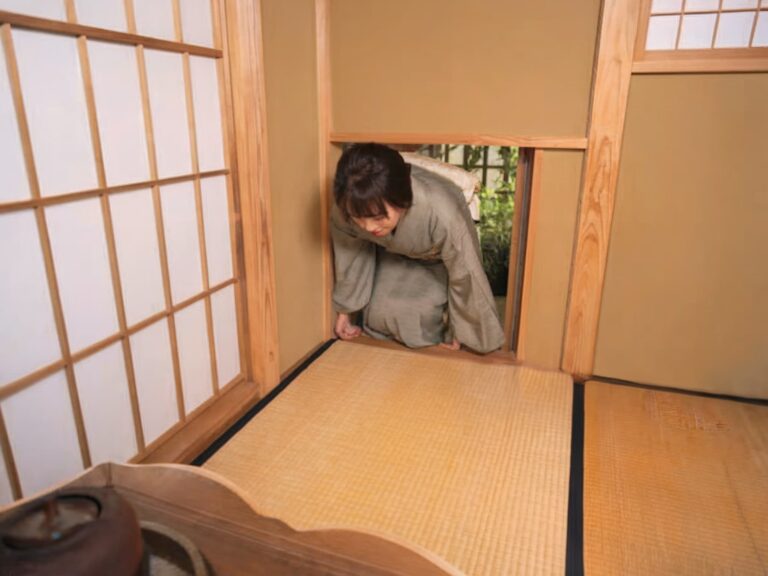
Before the ceremony begins, the guests enter the tea room, which is called a chashitsu. The chashitsu usually has a small, low door called nijiriguchi into which the guests must bow as they enter.
Hidden Meaning: The act of bowing upon entering the tea room serves as a reminder for the guests to leave behind their ego and concerns of the world outside. Regardless of the status of the guest outside the chashitsu, whether they are a samurai or a commoner, all must humble themselves to enter.
The tea room reflects the wabi-sabi aesthetics. Thus, it is made using natural materials such as wood and bamboo and features minimal decoration inside. Chairs are also seldom found within these rooms, as sitting on the tatami mats is a part of the experience itself.
2. Grace in Stillness: The Tokonoma’s Hidden Rhythm
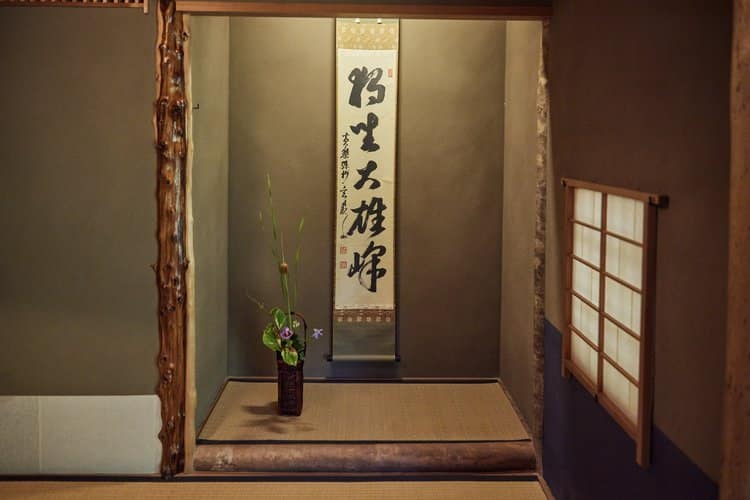
Inside the tea room is the tokonoma. It is a recessed alcove within the room that is reserved for objects of quiet appreciation. Depending upon the occasion, the host may choose to display a hanging scroll (kakemono), seasonal tea flowers (chabana), or any other treasured object. The host will carefully prepare the tokonoma before the guests enter the tea room.
Hidden Meaning: The tokonoma is not simply decorative. When guests enter the tea room, the display within the tokonoma quietly communicates the host’s intention and the theme of the tea ceremony. The calligraphic scroll may contain a Zen phrase or poem for guests to reflect on during the ceremony. The use of chabana brings the season into the room. For example, in spring the host may choose to use cherry blossoms to represent the fleeting beauty of life and the present moment.
During a formal chaji, the scroll is displayed during the first part of the ceremony. Before the guests take their seats, they will observe the tokonoma and may even bow to the creator of the scroll. Later during the ceremony, the principal guest may inquire about the display in the tokonoma. This quiet exchange between the host’s careful choices and the guests’ attentive response creates a shared atmosphere of mindfulness. In the stillness that follows, the tea ceremony becomes a space of quiet grace.
3. The Cleaning Ritual: Purity Beyond the Surface
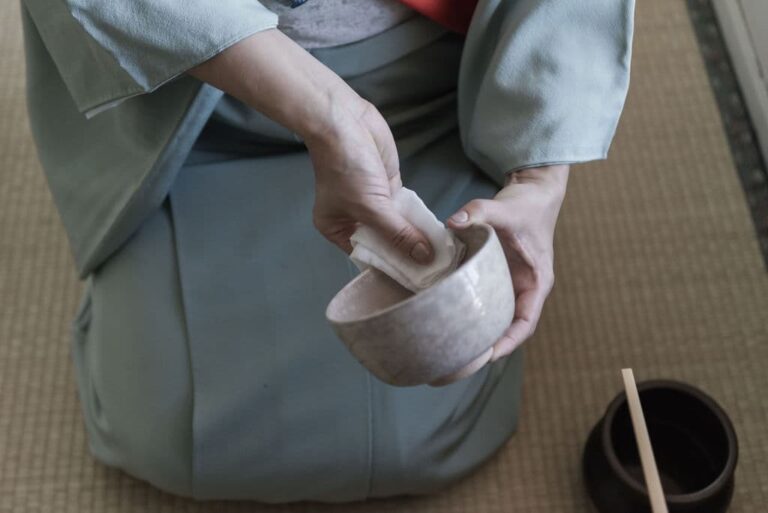
One of the first things to catch your attention will be the meticulous cleaning of all the tea utensils. The host will use a silk cloth (fukusa) to wipe down the tea bowl (chawan), tea scoop (chashaku), and tea whisk (chasen).
Hidden Meaning: The significance of this ritual is that it is more than just cleaning the utensils. It is a purification ritual for the utensils and also for the host’s mind, allowing them to clear their minds and focus their attention on the tea ceremony that is about to begin.
This also shows the host’s respect for the utensils and guests. By taking the time to prepare each utensil and clean it carefully, the host is showing their dedication to the tea ceremony and the experience they want to provide to their guests. Any excess warm water used in the cleaning process is discarded into the wastewater bowl, maintaining the ceremony’s purity.
4. The Placement of Utensils: Precision with Purpose
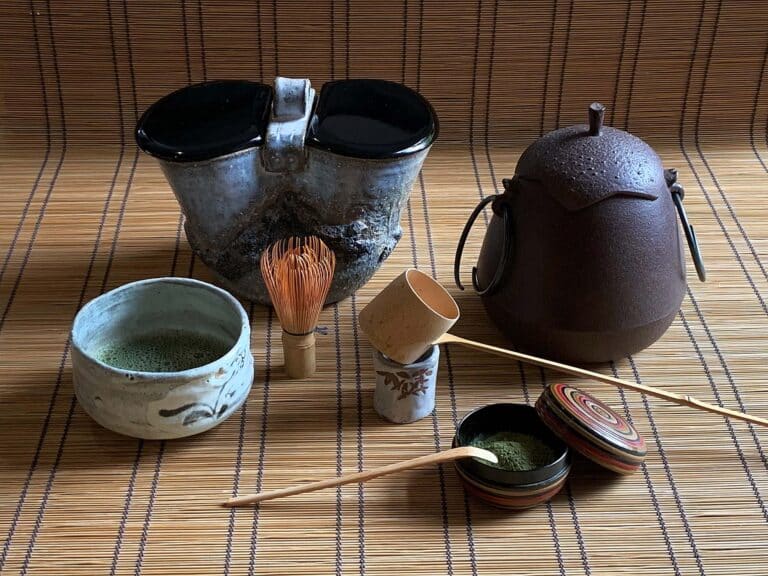
Every utensil is placed with exact precision, from the angle of the tea bowl to the position of the whisk. Even the distance between these objects is carefully calculated.
Hidden Meaning: This meticulous arrangement embodies the concept of wa (harmony). The balanced placement of the utensils reflects the interconnectedness of all things, a fundamental belief in Japanese culture that beauty can be found in order, simplicity, and balance.
The Japanese tea ceremony employs several utensils, such as the tea caddy called natsume, the tea scoop, and the bamboo whisk, which is created from a single piece of bamboo. Each of these utensils is often handcrafted, representing the artistry and tradition that have been passed down through the generations.
5. Preparing the Tea: The Dance of Mindfulness
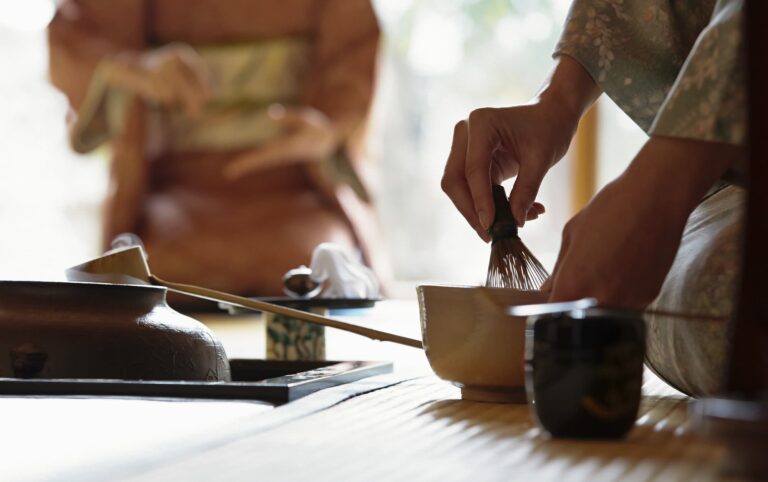
When the host prepares the matcha (Japanese green tea), every movement is slow, deliberate, and graceful. From scooping the green tea powder to whisking it into a frothy consistency, it is like watching a choreographed dance.
Hidden Meaning: This part of the ceremony embodies kei (respect). The host shows respect for the guests, the tools, the tea, and the tradition. Through preparing the tea in this mindful way, the host and the guests are encouraged to be fully present in the moment.
The preparation of fresh matcha tea involves using a bamboo whisk to create a smooth, frothy texture. The type of tea bowl used can vary by season; summer bowls are designed to keep the tea cool, while winter bowls are made to retain warmth. The iron pot used to heat the warm water is a key element in the ceremony, symbolising strength and stability.
6. The Ritual of Serving Sweets: Sweet Symbols of Life
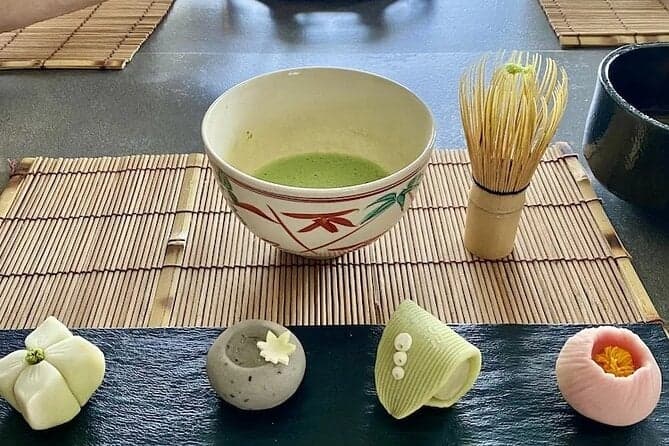
Before drinking the tea, guests are often served traditional Japanese sweets called wagashi. These sweets have been carefully crafted to complement the bitterness of the matcha.
Hidden Meaning: The offering of the sweets is a symbol of hospitality and balance. The contrast between the sweet and bitter reflects the harmony of opposites in life. The seasonal design of the sweets connects to the present moment and allows guests to appreciate the natural cycle of the seasons.
Japanese sweets are often made from ingredients like sweet bean paste and mochi. These sweets are not only treats but also edible art pieces that reflect the changing seasons and the aesthetics of Japanese culture. Serving tea alongside these traditional sweets highlights the balance of flavours.
7. The Turning of the Tea Bowl: A Gesture of Modesty
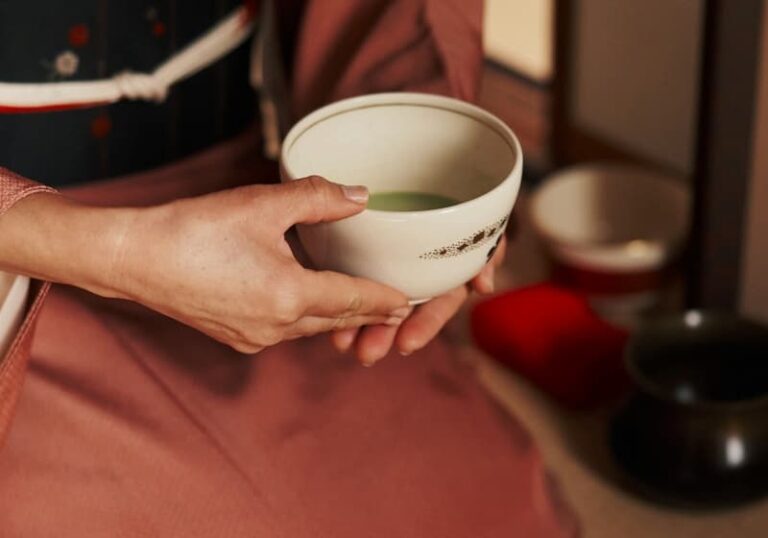
Before drinking, guests are expected to slowly rotate the tea bowl so that the most beautiful side of the bowl is facing away from them. After drinking, they wipe the rim of the bowl before rotating it back and passing it on if it is a shared bowl.
Hidden Meaning: The small gesture of turning the bowl before drinking and after is a reflection of humility and appreciation. By turning the bowl, the guest acknowledges the bowl’s beauty without claiming it for themselves. It is a respectful gesture towards the bowl, the tea, and the host.
The tea bowl used in the tea ceremony is often a work of art, handcrafted by skilled artisans. Each bowl has its own unique design and history, making it an essential part of the Japanese tea ceremony experience.
8. The Silence: More Than Just an Absence of Words
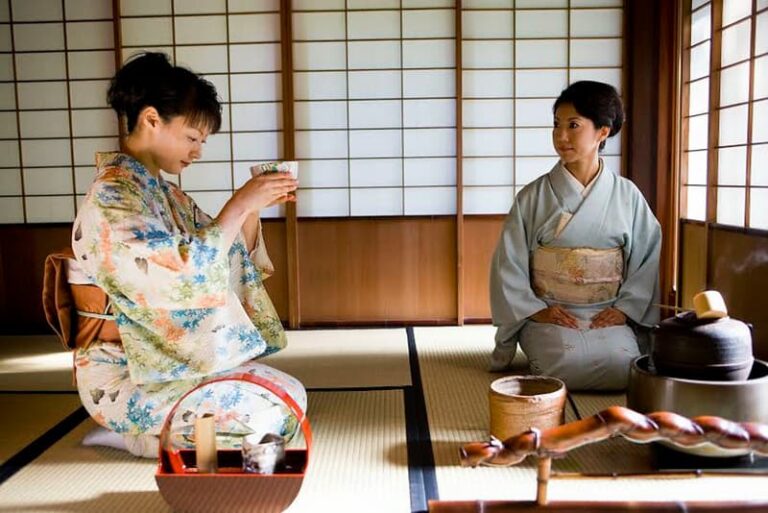
The Japanese tea ceremony is not performed in complete silence. The host and guests speak at appropriate moments during the ceremony. The principal guest usually leads questions about the scroll, the tea and the utensils used in the ceremony. In between these interactions, there is a period of quiet during which the guests pay full attention to the movements and sounds of the ceremony.
Hidden Meaning: Quietness during the ceremony does not represent the guests’ absence or their withdrawal from each other. The contrast between measured conversation and silence keeps the host and guests attentive to one another and to the present moment. The quietness can represent jaku (tranquillity), but jaku means more than just silence. It represents the inner composure that each guest should obtain through the principles of the ceremony, which include harmony, respect and purity.
During the quietness of the ceremony, the guests can observe the subtle details of the ceremony. They can hear the sound of the water simmering in the iron kettle, a sound that is traditionally known as matsukaze, or “wind in the pines”. They can observe the whisk moving through the matcha and the water being poured into the bowls. Each conversation between the guests creates a connection between them, while the periods of quietness increase their awareness of the ceremony, creating the gentle rhythm of the Japanese tea ceremony and transforming the simple act of drinking a bowl of tea into a shared, unrepeatable moment.
9. The Seasonal Connection: Aligning with Nature
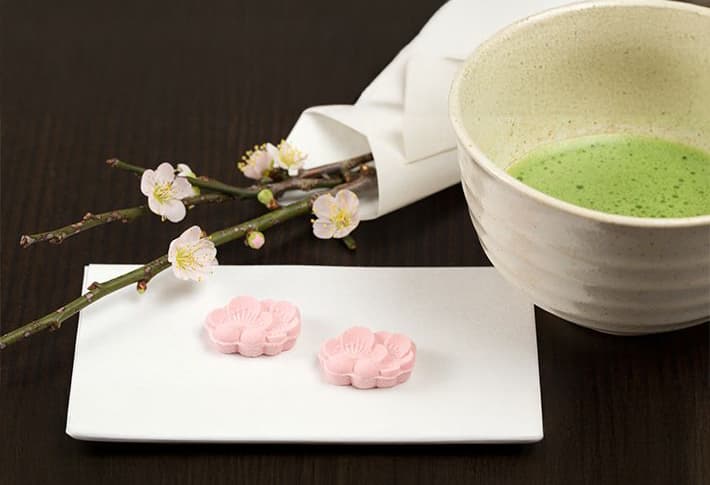
Everything in the Japanese tea ceremony, from the tea utensils to the scrolls and flowers displayed in the tokonoma alcove, changes with the seasons. Even the type of tea used and its preparation differ between the summer and winter seasons.
Hidden Meaning: The seasonal awareness within the ceremony reflects the Japanese concept of ichi-go ichi-e, meaning “one time, one meeting.” This concept signifies that every meeting between individuals is unique and can never be replicated. Thus, by incorporating the changing seasons into the tea ceremony, individuals are reminded to appreciate the present moment, which fleetingly passes them by.
Some of the elements that change with the seasons include the flowers used, the fabrics featured in the ceremony, and the designs on the tea bowls themselves. These elements establish a connection to nature and promote mindfulness among those participating in the ceremony.
10. The Final Bow: A Gesture of Gratitude
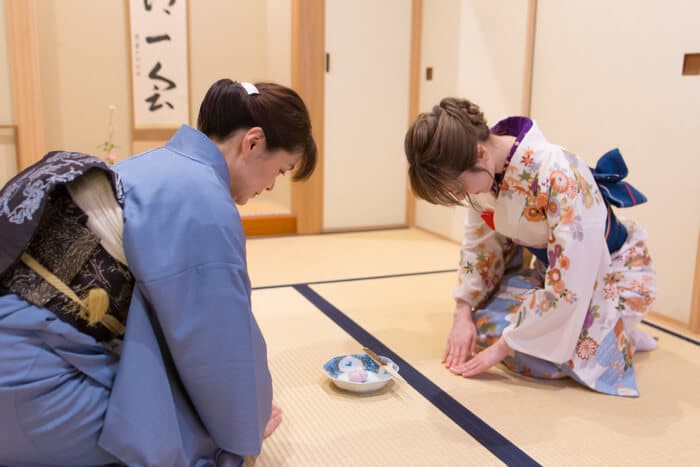
At the conclusion of the Japanese tea ceremony, the host and the guests bow to one another. This act of bowing is more than a simple thank you.
Hidden Meaning: The bow expresses mutual respect and gratitude from both the host and the guests. The respect shown is not just for the tea that was made and consumed, but for the experience shared amongst all those present, the environment in which it took place, and the moment in time in which it all occurred.
The act of bowing also represents the closing of the space that was created for the Japanese tea ceremony. This space is sacred to the practice of making and drinking tea together. Thus, the bow also marks the return of all those present to the ordinary world, but with a sense of mindfulness and appreciation for life and the world around them.
Surprising Lessons from the Japanese Tea Ceremony
The Japanese tea ceremony might seem like an ancient custom, but its principles hold relevance to the modern world. Here are a few lessons we can take away:
- Mindfulness in Everyday Tasks: The tea ceremony allows us to see the beauty in simple actions, such as making tea or tidying up a space.
- The Power of Presence: Despite the distractions in the modern world, the tea ceremony teaches us the importance of being present in each moment.
- Respect for Simplicity: The tea ceremony contrasts with the modern culture of excess, teaching us to appreciate simplicity and what truly matters in life.
- Connection Through Ritual: Rituals, like the tea ceremony, allow us to connect with ourselves, others, and the world around us.
- Appreciation of Imperfection: The philosophy of wabi-sabi allows us to appreciate imperfection in the world and find beauty in the transience of all things.
- Cultivating Patience: The deliberate pace of the tea ceremony teaches us to be patient and to appreciate each moment that passes by.
- Gratitude for the Present: By focusing on the present in the tea ceremony, we are taught to be grateful for the present moment and what it holds for each individual.
While the Japanese tea ceremony might seem like an elegant tradition, it is more than just a custom. Each movement in the ceremony has meaning and teaches those who participate in it to slow down and appreciate the beauty in the world around them.
Therefore, the next time that you sip a cup of tea, take a moment to consider its journey and the warmth that it brings to your hands. You might find that the spirit of the tea ceremony lives on in your own ritual.
FAQ about the Japanese Tea Ceremony
What is the Japanese tea ceremony?
The Japanese tea ceremony is a traditional practice in which a host prepares and serves matcha to guests according to established etiquette. Known as chanoyu, chadō or sadō in Japanese, it combines hospitality, seasonal aesthetics and mindful movement to create a unique shared experience.
What are the four principles of the Japanese tea ceremony?
The four main principles of the Japanese tea ceremony are wa (harmony), kei (respect), sei (purity), and jaku (tranquillity). These principles are embodied in all aspects of the ceremony, from interactions between the host and guests to the utensils used, the tearoom itself, and the changing seasons.
What happens during a Japanese tea ceremony?
Procedures vary by school and occasion. Guests may purify themselves before entering, observe the tokonoma and sit on tatami mats. The host then purifies the utensils, serves wagashi, prepares matcha and presents the tea bowl. Guests bow, rotate the bowl before drinking and may ask about the tea, display and utensils.
What is the difference between a chaji and a chakai?
A chaji is a formal tea gathering that usually includes a seasonal meal, sweets, thick tea and thin tea. It can last about four hours. On the other hand, chakai are shorter and less formal ceremonies, focusing on just sweets and tea.
What type of tea is served during a Japanese tea ceremony?
Matcha tea is traditionally used in the Japanese tea ceremony. The powdered green tea is whisked with hot water to create the tea. During a formal chaji, thick matcha (koicha) is served first, followed by thin matcha (usucha). Before the tea is served, traditional Japanese sweets known as wagashi are served to balance the bitterness of the tea.
Why do guests turn the tea bowl before drinking?
The host presents the most admired side of the tea bowl facing the guest. The guest rotates the bowl slightly to avoid drinking from this side, showing respect for the bowl’s craftsmanship and the host’s presentation. The bowl is turned back before being returned, although the precise movements vary between tea schools.
Is the Japanese tea ceremony performed in silence?
No. The ceremony includes quiet periods as well as measured conversation. The principal guest may ask the host about the scroll, tea, sweets and utensils. This balance between conversation and quiet encourages participants to remain attentive to one another and to the present moment.
Is the Japanese tea ceremony a religious ritual?
While the Japanese tea ceremony is not a religious ritual in and of itself, it was influenced by the practices of Zen Buddhism. However, participants in the ceremony do not have to be Buddhists themselves. The ceremony focuses on aspects like hospitality, discipline, and being present to the ceremony itself, not on religious practices.